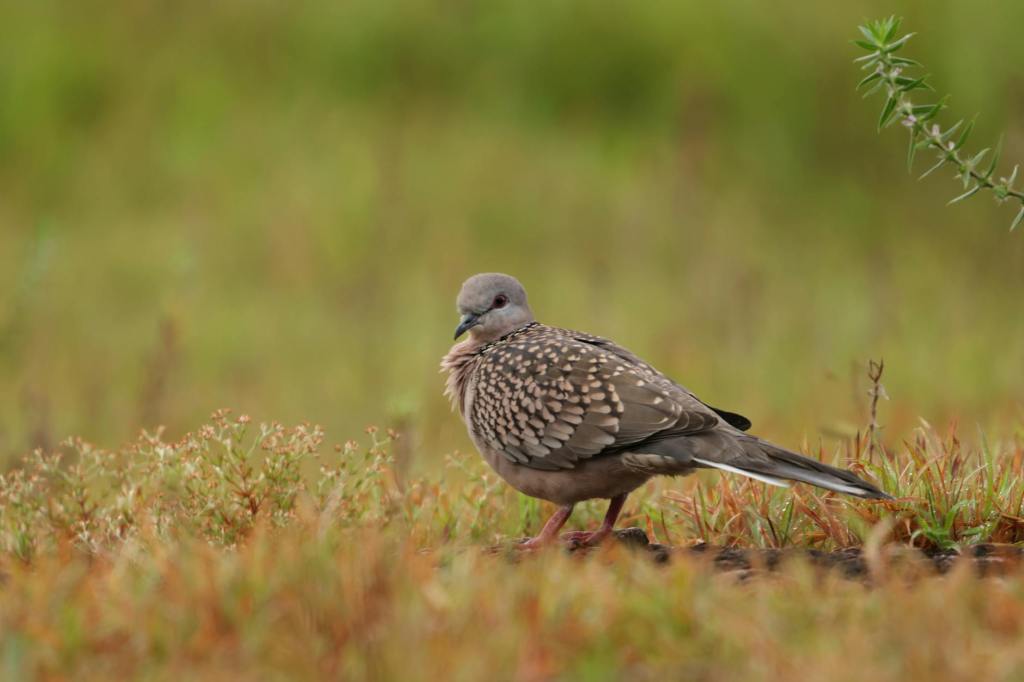
Wild bird populations across the UK have continued their alarming decline, with all species seeing a reduction in numbers over the past five years, according to new data released by the Department for Environment, Food & Rural Affairs (Defra). The figures highlight the ongoing threats to birdlife, including habitat loss, pesticide use, climate change, and the devastating impact of bird flu.
Between 2018 and 2023, the total number of wild birds in the UK dropped by 2%, while in England the decline was more pronounced, with a 7% decrease. This worsening trend is particularly concerning given the government’s commitment to halt nature’s decline by 2030. Experts have warned that without urgent and large-scale intervention, many bird species may face the risk of extinction.
Farmland and woodland birds have been among the hardest hit. Farmland bird populations have plummeted by approximately 61% since 1970, with a further decline of 9% between 2018 and 2023. Woodland bird numbers have also dropped significantly, by 35% over the long term and 10% in the short term. These declines are primarily driven by the loss of natural habitats and changes in agricultural practices.
Some species have experienced particularly steep declines. The turtle dove, once common across the UK, has seen a 54% drop in population over the past five years. Similarly, the tree sparrow’s numbers have continued to fall sharply, with a 25% reduction across the UK and a 35% drop in England. Farmland birds are particularly vulnerable due to the loss of essential habitats such as hedgerows, trees, and other vegetation needed for nesting. The widespread use of pesticides and fertilisers has further contributed to the decline by reducing the availability of insects, which are a crucial food source for these birds.
While some farmers have begun adopting more bird-friendly practices, such as creating better habitats and reducing pesticide use, experts stress that these efforts need to be scaled up across the agricultural sector to make a significant difference.
The government’s pledge to restore nature faces increasing pressure as the state of the country’s bird populations continues to deteriorate. Experts have called on the government to meet its target of restoring 30% of UK land for nature by 2030. Failure to do so could result in the extinction of several bird species in Britain, including the hawfinch, nightingale, and various warblers.
The figures released by Defra may not fully capture the extent of the decline, as they do not account for the significant loss of seabirds caused by bird flu outbreaks in 2022, which decimated populations across coastal regions.
Experts are increasingly concerned about the continued downward trend in bird numbers, particularly in England, where most species are seeing declines. This is seen as a major setback in the government’s efforts to halt and reverse species loss. There is growing urgency for more comprehensive action to protect bird populations and halt their decline.
With biodiversity at risk, there is a mounting call for policymakers and the public to take swift action to help safeguard the future of the UK’s birdlife and restore natural habitats before it’s too late.



 PARYAWARAN
Leave a comment