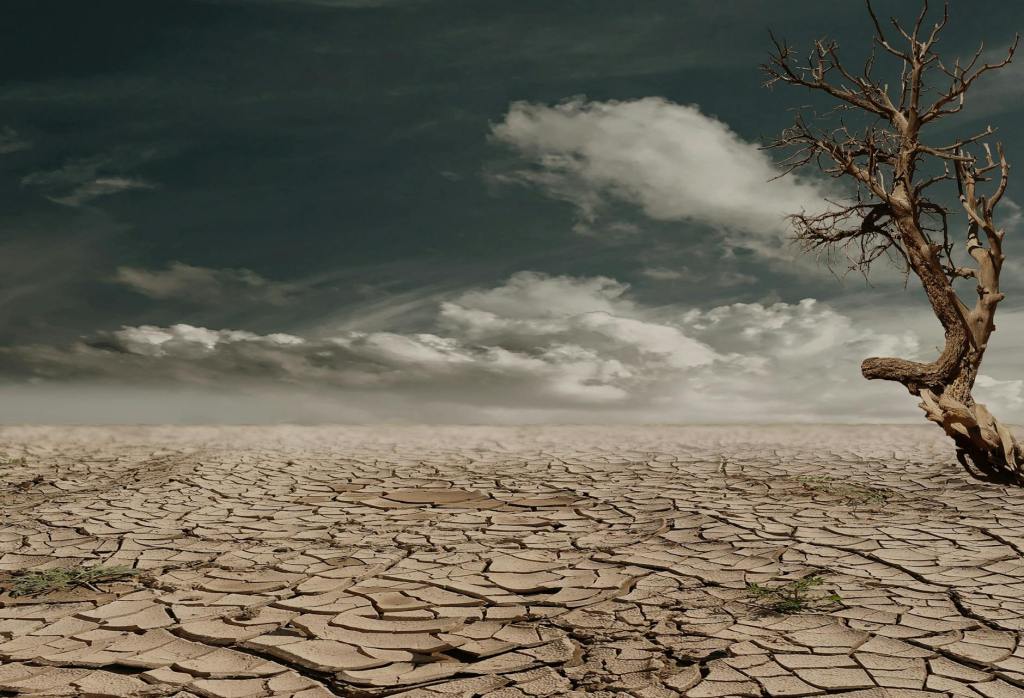
An ongoing drought, described as the worst in a century, has pushed millions of people across southern Africa to the brink of starvation, deepening the region’s food insecurity crisis. A combination of El Niño and the intensifying effects of climate change has devastated crop yields, strained food supplies, and left communities in severe distress. With rising temperatures, erratic rainfall, and prolonged drought conditions, the region is grappling with a crisis that threatens both lives and livelihoods.
According to the United Nations’ World Food Programme (WFP), the crisis is affecting an estimated 27 million people across southern Africa, with the situation particularly dire in countries like Zimbabwe, Zambia, Mozambique, and Malawi. Of these, 21 million children are reportedly suffering from malnutrition, with many at risk of life-threatening conditions such as stunting and wasting. The WFP’s figures highlight the extreme vulnerability of the region’s population, with millions lacking reliable access to food and facing a persistent hunger crisis that shows no signs of abating.
Southern Africa has long struggled with recurring droughts, but the current crisis has reached unprecedented levels. Experts believe that El Niño, a climatic phenomenon characterized by the warming of ocean surface temperatures in the Pacific, has played a significant role in exacerbating the situation. El Niño leads to shifts in global weather patterns, often resulting in droughts in regions such as southern Africa. However, scientists and climate experts are increasingly pointing to the broader and more persistent effects of climate change, which is amplifying the frequency and intensity of such extreme weather events.
Rising temperatures and changing rainfall patterns, both attributed to climate change, are significantly altering agricultural conditions across the region. In areas where crops like maize, sorghum, and millet are staple foods, farmers have faced devastating harvests due to prolonged dry spells and unpredictable weather. As a result, food supplies have dwindled, pushing prices for essential commodities higher and further complicating the already challenging situation for vulnerable families.
The effects of this prolonged drought are particularly harsh for rural communities, where agriculture is the primary source of livelihood. Many farmers have seen their crops fail for successive seasons, forcing them to deplete their savings, sell off livestock, and exhaust other means of coping. In some areas, the situation has become so dire that families are resorting to extreme measures to survive, including foraging for wild plants, migrating in search of food, or relying on humanitarian aid.
In addition to the food shortages, the drought has severely impacted water resources, leaving many communities without reliable access to clean drinking water. According to the WFP, over 16 million people across southern Africa are in urgent need of water, while a significant number are living in areas with inadequate sanitation. The combination of food and water insecurity is contributing to a vicious cycle of poverty and malnutrition, undermining public health and overall community resilience.
International organizations and governments have stepped up efforts to address the crisis, but the scale of the problem remains overwhelming. The WFP has mobilized emergency relief efforts, providing food aid, cash transfers, and nutrition support to affected populations. However, these efforts are often insufficient to meet the growing demand, and the situation is expected to worsen in the coming months as the drought continues to drain resources.
While immediate humanitarian relief is critical, experts emphasize that long-term solutions are necessary to mitigate the future impact of climate change on southern Africa’s food security. Climate adaptation strategies, including the promotion of drought-resistant crops, improved water management practices, and sustainable agricultural techniques, are essential to building resilience in vulnerable communities. Additionally, addressing the root causes of climate change through global action on emissions reduction is crucial to reducing the frequency and severity of extreme weather events.
The ongoing drought in southern Africa serves as a stark reminder of the urgent need for global action on climate change and the importance of supporting vulnerable regions in adapting to its impacts. As weather patterns continue to shift and extreme events become more frequent, millions of people in southern Africa face an uncertain future. The time to act is now, before the crisis spirals further out of control.




 PARYAWARAN
Leave a comment