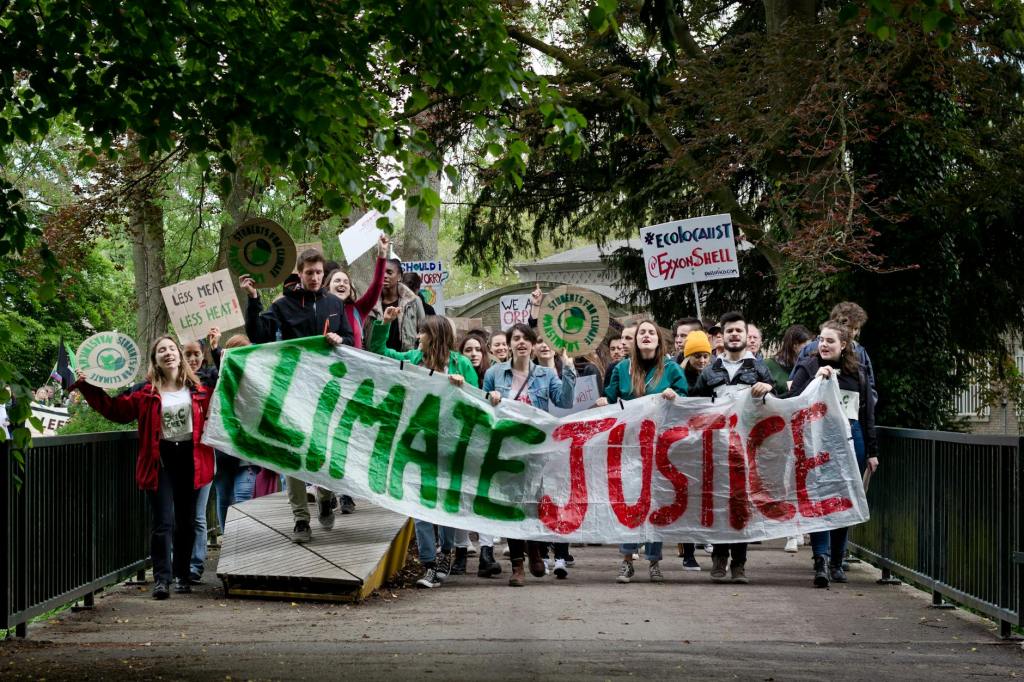
In Oaxaca, Mexico, global climate activists gathered for an “anti-COP” summit to express their dissatisfaction with the United Nations climate process, which they argue prioritizes fossil fuel interests and sidelines marginalized communities. The summit, a direct response to the formal COP climate talks, served as a platform for activists to demand more inclusive, grassroots-driven solutions to the climate crisis.
The event focused on several critical issues, including the impact of clean energy projects on local communities, the escalating global water crisis, and the forced displacement of Indigenous peoples due to environmental degradation and large-scale development projects. Participants at the summit expressed their concerns about the growing commercialization of natural resources and its harmful effects on vulnerable populations. They emphasized the need for climate action that places the needs of frontline communities at the forefront rather than advancing corporate interests that often exacerbate inequality.
A key outcome of the gathering was the creation of a comprehensive roadmap for climate action, one that advocates for greater collaboration among grassroots movements, pushes for the inclusion of marginalized voices in climate discussions, and calls for confronting the financial interests linked to destructive climate projects. The roadmap highlights the importance of amplifying the voices of Indigenous groups, local farmers, and environmental defenders who are often excluded from major climate negotiations.
Activists at the summit criticized the COP process for its failure to represent the interests of those most affected by climate change. They argue that while the United Nations climate talks are dominated by world leaders and multinational corporations, the most vulnerable communities—particularly Indigenous peoples and low-income groups—are left out of the conversation. This exclusion, they contend, has resulted in climate policies that often fail to address the root causes of environmental injustice.
The anti-COP summit, which attracted participants from around the world, underscored the growing discontent with the existing global climate governance structures. Organizers and attendees alike called for a more inclusive approach to tackling the climate crisis, one that values the contributions of grassroots movements and acknowledges the voices of those who have been most affected by environmental exploitation.
In the face of systemic inequality, the gathering in Oaxaca symbolized a call to action, demanding a shift in how the world approaches climate change—one that prioritizes equity, justice, and the protection of the planet’s most vulnerable communities.




 PARYAWARAN
Leave a comment