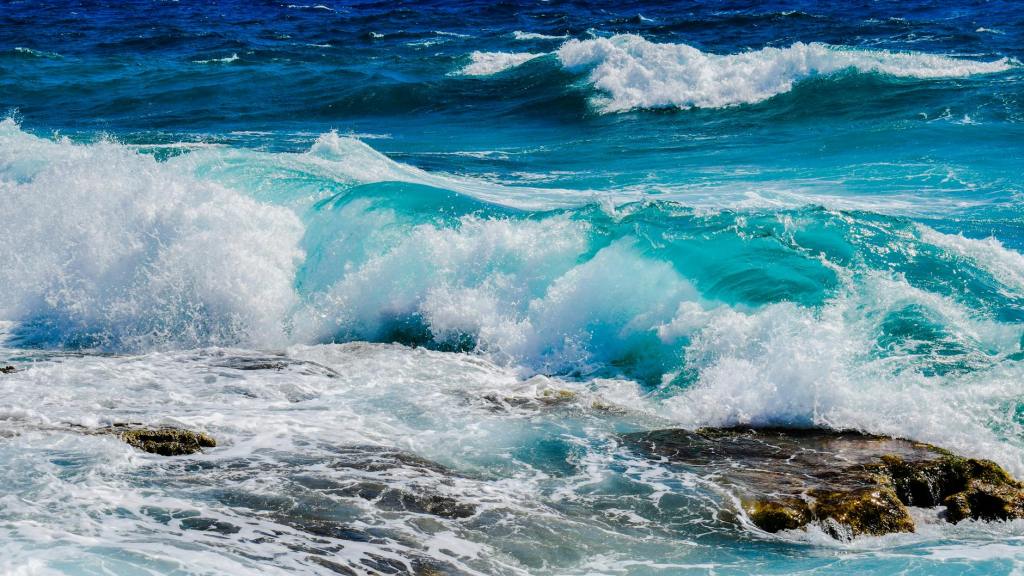
A landmark global treaty aimed at protecting biodiversity in the high seas remains in jeopardy, as only 14 out of the required 60 nations have ratified the agreement. The delay threatens vital efforts to preserve marine ecosystems that cover nearly two-thirds of the planet’s oceans and play a crucial role in regulating the global climate.
The High Seas Treaty, adopted by the United Nations in March 2023, was hailed as a historic step toward safeguarding marine life beyond national borders. The treaty’s primary goals include the creation of marine protected areas (MPAs) to curb biodiversity loss, the establishment of equitable frameworks for accessing marine genetic resources, and mechanisms to ensure sustainable use of ocean resources. However, despite support from more than 100 countries that have signaled their intent to ratify the treaty, only 14 have done so thus far.
The high seas, which extend beyond the jurisdiction of any single nation, cover approximately 45% of the Earth’s surface and make up over 60% of the ocean. These remote waters host a vast array of marine life, including species not found anywhere else on Earth. However, the region is also under increasing threat from overfishing, pollution, and the impacts of climate change. As of now, just 1% of the high seas are designated as protected areas, a figure that experts warn is insufficient to maintain the health of these ecosystems.
According to marine scientists and conservationists, the high seas play a pivotal role in global climate regulation by absorbing carbon dioxide, regulating temperatures, and supporting ocean currents that influence weather patterns worldwide. Their rich biodiversity is also integral to maintaining food security and supporting marine industries, including fishing, which millions of people around the world rely on for their livelihoods.
The High Seas Treaty, officially known as the “Agreement on Biodiversity Beyond National Jurisdiction” (BBNJ), is seen as a critical mechanism to address these challenges. The treaty aims to create new, legally binding protections for the most vulnerable marine areas, as well as introduce more robust governance mechanisms for the management of marine resources. Its passage would also pave the way for the establishment of more MPAs, which are proven to help protect marine life, promote sustainable fishing practices, and mitigate the effects of climate change.
Despite these benefits, the treaty’s progress has been slow. To come into force, the agreement requires ratification from 60 countries, but as of now, only a fraction of that number has committed to formal approval. This delay has raised concerns among conservationists and international organizations, who warn that the longer the treaty remains stalled, the more difficult it will become to reverse the environmental damage already occurring in the high seas.
Environmental groups have emphasized that time is of the essence. With the high seas facing threats from illegal fishing, rising ocean temperatures, and plastic pollution, there is growing pressure on governments to take swift action. Scientists argue that protecting these areas is not only vital for marine biodiversity but also for mitigating climate change and ensuring the health of the planet’s oceans for future generations.
While more than 100 countries have expressed their support for the treaty, including many of the world’s largest economies, the slow pace of ratification underscores the complexities of international diplomacy. Negotiations over how to share marine resources and manage ocean governance have proven challenging, with disagreements over issues such as fishing rights and access to genetic resources.
As of now, the hope remains that momentum will build, and more countries will act swiftly to ratify the treaty. For now, the future of the high seas hangs in the balance, and the international community must decide whether to act decisively before irreversible harm is done to these critical ocean ecosystems.



 PARYAWARAN
Leave a comment