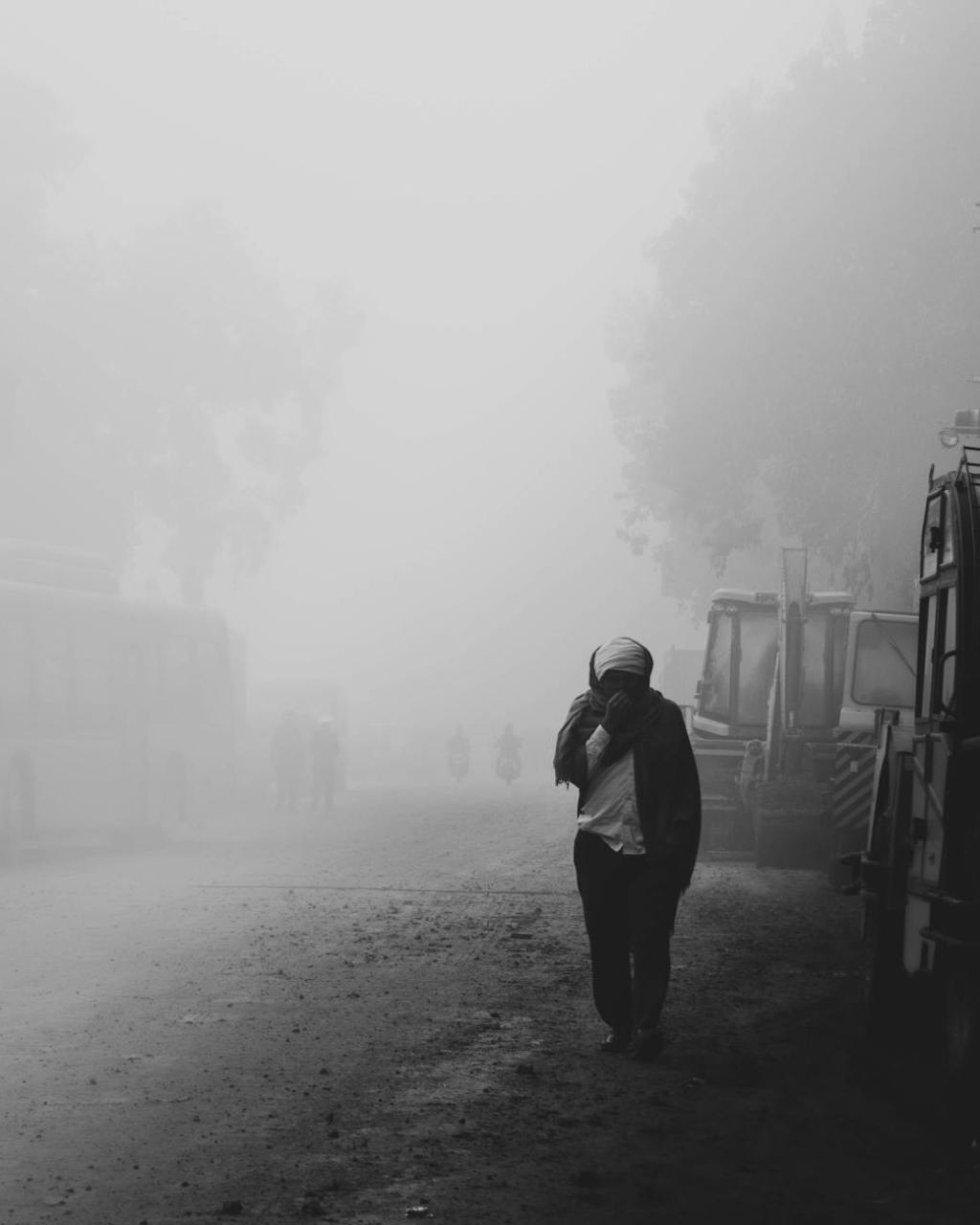
Toxic smog has triggered a public health emergency in northern India, forcing authorities to implement severe restrictions as air quality levels reach hazardous highs. In New Delhi, where air pollution has become a chronic problem, authorities have taken drastic measures, including the closure of schools and the limitation of outdoor events. In a striking move, even the Supreme Court of India has transitioned to online sessions to protect its staff and visitors from the hazardous air.
The air quality index in New Delhi and its surrounding regions has soared well beyond the hazardous threshold of 301, surpassing 1,000 in some areas. This dramatic spike is attributed to a combination of seasonal weather patterns and the widespread practice of crop burning in neighboring states, which releases large amounts of smoke and particulate matter into the atmosphere. As a result, millions of residents, including those in the metropolitan area—home to about 55 million people—are now grappling with severe respiratory issues and eye irritation.
Medical facilities across the region have reported a significant surge in patients, with many seeking treatment for aggravated asthma, bronchitis, and other respiratory conditions. The health crisis has strained an already burdened healthcare system, with hospitals overwhelmed by the influx of individuals suffering from the toxic air. The smog has also caused widespread discomfort, with visibility drastically reduced and daily life disrupted.
Experts warn that the current situation underscores the dangers of crop-burning practices, a longstanding environmental issue in the region. These practices, often linked to the harvesting cycles of farmers, have been exacerbated by ineffective air quality controls and lack of enforcement of pollution regulations. The toxic smoke that blankets the region exacerbates existing health problems, and the long-term effects of repeated exposure to such high levels of pollution remain a serious concern for public health.
In light of the worsening crisis, environmental experts are calling for immediate action and long-term policy reforms to address both the immediate health impacts and the root causes of the pollution. Measures such as promoting alternative agricultural practices, enhancing air quality monitoring systems, and implementing stricter pollution control laws are essential to mitigate the recurring environmental disasters that threaten the well-being of millions.
The current smog emergency serves as a stark reminder of the urgent need for comprehensive environmental policies and robust enforcement mechanisms to protect the health of India’s citizens and preserve the quality of the air for future generations.




 PARYAWARAN
Leave a comment