
China’s concerted efforts to conserve its biodiversity have yielded impressive results, particularly for some of the world’s most endangered species. Notably, the population of the Siberian tiger, a symbol of the country’s wildlife protection initiatives, has grown significantly in recent years, with their range of activity expanding.
In the late 1990s, the number of wild Siberian tigers in China was alarmingly low, with estimates placing the population at only 12 to 16 individuals. However, through sustained conservation measures, including habitat restoration and the creation of protected areas, the population has rebounded. The establishment of the Northeast China Tiger and Leopard National Park (NCTLNP) in 2021 has been a turning point, providing a sanctuary for approximately 70 wild Siberian tigers. This park, spanning parts of Heilongjiang and Jilin provinces, has been instrumental in improving the ecological environment, contributing to the survival and growth of tiger populations.
The successful protection of Siberian tigers is part of China’s broader strategy to preserve its rich biodiversity. In 2021, China took a significant step by establishing its first national parks, designed to protect 90 percent of the country’s terrestrial ecosystems and 74 percent of its key wildlife species. These efforts have expanded the nation’s nature reserves, which now cover nearly 18 percent of its total land area.
China’s success in wildlife conservation is evident in the recovery of several iconic species. Over the past four decades, the wild giant panda population has increased from 1,114 to 1,864, while the crested ibis has seen its numbers rise from just seven individuals to more than 5,000. The population of wild Asian elephants, which was around 180 in the 1980s, has now grown to approximately 300. These increases are a direct result of habitat protection, targeted breeding programs, and a focus on ecological restoration.
However, the surge in wildlife populations has brought new challenges, particularly in terms of human-animal conflicts. As the numbers of species like tigers and wild boars have grown, incidents involving wildlife damaging crops, injuring livestock, and even threatening human safety have become more common. Wild boars, for example, have become a significant nuisance, with their population soaring to around 2 million. These animals have been sighted across nearly all of China’s provinces and have caused considerable damage to farmland, as well as posing risks to both agriculture and human communities.
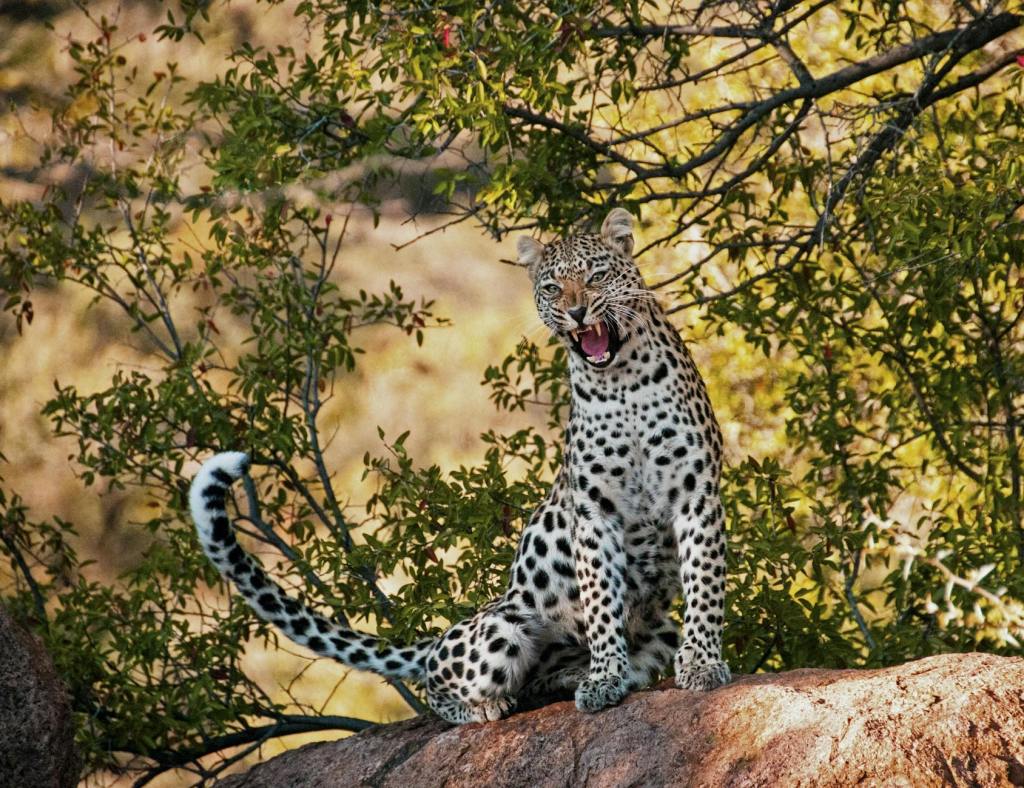
To address this issue, China has removed wild boars from its list of species requiring special protection, recognizing that their stable population no longer presents an immediate survival threat. Nonetheless, mitigating the damage caused by these animals remains a priority. Experts suggest that effective management strategies should include building ecological corridors to ensure the safe movement of large species like tigers and leopards. These corridors would reduce the need for these animals to venture into human settlements, thus minimizing conflict.
To further protect endangered species, China has integrated technology into its conservation efforts. The NCTLNP, for example, has deployed over 20,000 smart infrared cameras across its landscape. These cameras monitor the movement of large animals, including Siberian tigers, and use artificial intelligence to identify species in real-time. This monitoring system helps track wildlife activity, ensuring that human settlements and animal habitats do not overlap, thus preventing conflict.
Other regions of China have implemented innovative measures to manage the impact of wildlife on local communities. In Shaanxi Province, for instance, protective infrastructure such as pulse electric fences and vegetation isolation belts has been introduced to prevent wild boars from accessing agricultural lands. Infrared cameras have also been set up in Jiangsu Province to monitor boar movements and detect potential risks before they escalate. Thermal imaging drones have played a key role in guiding wandering herds of Asian elephants in Yunnan Province, ensuring that these elephants return to safe habitats without causing harm to local residents.
China’s evolving conservation approach emphasizes the importance of balancing the protection of endangered species with the need to manage human-wildlife conflicts. While the country has made remarkable progress in safeguarding its natural heritage, further efforts will be necessary to foster sustainable coexistence between human populations and wildlife. By continuing to invest in ecological corridors, advanced monitoring technologies, and innovative conflict resolution strategies, China aims to preserve its biodiversity while ensuring the well-being of its people. This approach underscores the growing recognition that the protection of wildlife and the environment is inextricably linked to the future of human society.



 PARYAWARAN
Leave a comment