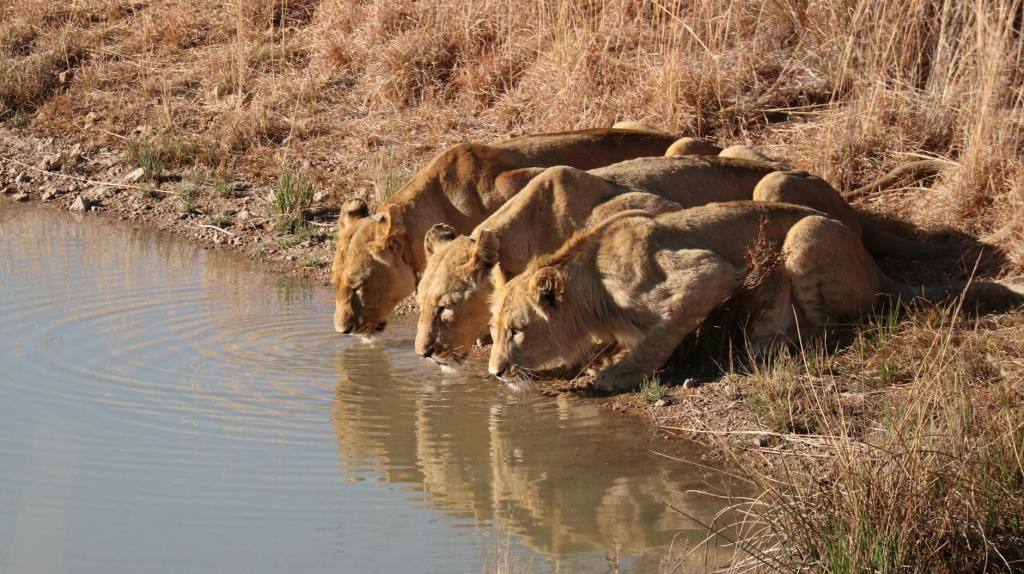
The Gir Wildlife Sanctuary (GWS) in Saurashtra, Gujarat, is at the center of a heated debate concerning wildlife conservation and land-use policies as the Union government recently unveiled a revised draft for an eco-sensitive zone (ESZ) around the sanctuary. The new draft significantly alters previous proposals, reducing the buffer zone from the initially planned 0-10 km to a minimum of 2.78 km and a maximum of 9.5 km in certain areas. This revised ESZ covers 2,061 square kilometers across 196 villages in the districts of Junagadh, Amreli, and Gir Somnath, including important corridors for the Asiatic lion—an endangered species that the sanctuary is dedicated to protecting.
Despite the revision, which has scaled back the area of the ESZ, local protests have intensified. Villagers across the affected regions argue that the new restrictions will severely impact their livelihoods, hinder development projects, and grant the forest department more control over their everyday activities. Protestors are particularly concerned about the imposition of restrictions on farming, infrastructure development, and other economic activities that were previously unregulated. Some activists have even gone as far as calling the new ESZ a “loot zone,” accusing the government of prioritizing conservation over the economic welfare of local communities.
The controversy surrounding the establishment of the ESZ is not a new issue. In 2015, a notification proposed a much larger 3,328 square kilometer ESZ, impacting 291 villages. This proposal was met with widespread opposition from locals, leading to a revision that drastically reduced the buffer zone to just 500 meters. However, this revision did little to resolve the underlying confusion and legal challenges surrounding the extent of land-use restrictions. The Gujarat High Court eventually stayed both notifications, leaving the status of the ESZ in limbo. In 2023, the High Court allowed the government to proceed with the creation of an ESZ, which led to the drafting of the current notification.
Despite the reduction in the size of the ESZ, the revised draft has failed to placate the local population. The new proposal introduces numerous restrictions, including the requirement for government approval for several activities, such as agricultural practices and infrastructure development, that were previously free from oversight. Many villagers feel that these changes will stifle economic growth and increase bureaucratic hurdles. Some local leaders, including several BJP politicians, have also voiced opposition, calling for the exclusion of their districts from the ESZ. They argue that the policy unfairly hampers development, especially considering the ongoing risks posed by wildlife to local communities, such as incidents of human-wildlife conflict, including fatalities.
On the other side of the debate, conservationists argue that the ESZ is essential for long-term wildlife protection, particularly for mitigating man-animal conflict and preventing industrial pollution in sensitive habitats. The Gir sanctuary is home to the Asiatic lion, whose population has slowly increased over the years, and experts contend that the establishment of a robust ESZ is crucial to maintaining these gains. They warn that without adequate protection, Gir’s wildlife is at risk of habitat degradation, which could undermine decades of conservation efforts.
The dispute over the ESZ is only one aspect of the broader issues surrounding lion conservation in India. The Asiatic lion, once on the brink of extinction, is now confined to Gir, making the sanctuary a critical habitat for the species. In 2013, the Supreme Court of India directed the government to translocate a portion of the Gir lion population to the Kuno Palpur Wildlife Sanctuary in Madhya Pradesh to create a second viable habitat for the species. This move was intended to mitigate the risks associated with a single, concentrated lion population, including disease outbreaks or natural disasters.
Despite the Supreme Court’s standing order, the translocation process has faced numerous delays and obstacles. Political resistance from Gujarat, where the lion population has flourished, has been a significant factor in stalling the move. Local leaders argue that the lions are well-protected in Gir and that moving them to Kuno could jeopardize their survival due to potential conflicts with other wildlife species, such as tigers, already present in the sanctuary. Additionally, concerns have been raised about the adequacy of Kuno’s infrastructure to support the lions, further delaying the translocation process.
The ongoing controversy over the Gir ESZ and the history of Kuno translocation highlights the complex interplay between wildlife conservation, regional politics, and local development. While conservationists emphasize the need for a second lion habitat to ensure the species’ long-term survival, political leaders and local communities are concerned about the potential economic consequences and the lack of clear communication regarding conservation policies.


 PARYAWARAN
Leave a comment