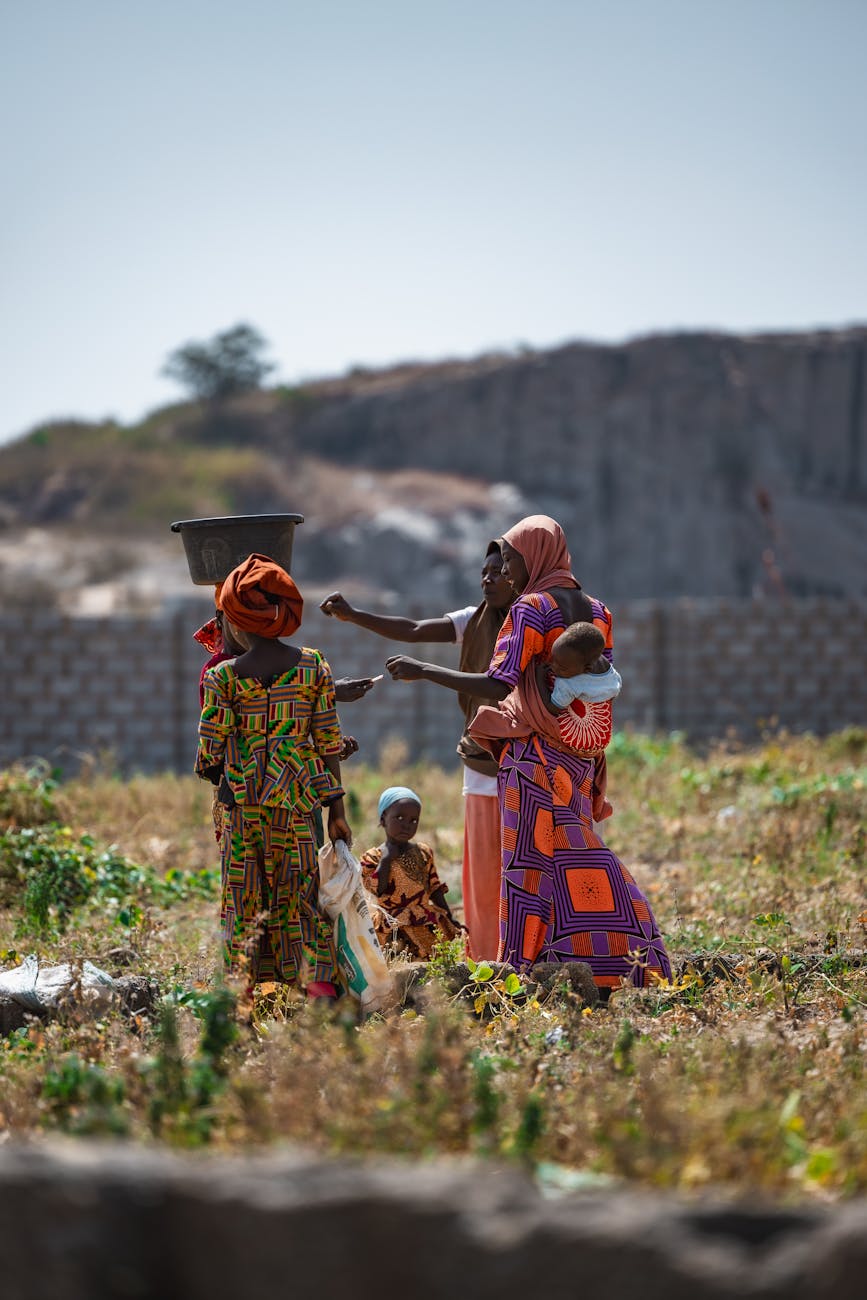
Women working in the palm oil industry in Peru are facing mounting challenges as they contend with extreme heat, hazardous work conditions, and inadequate protections, exacerbated by the climate crisis. These workers, many of whom work long hours under harsh conditions, are often subjected to physical strain, exposure to dangerous chemicals, and a lack of sufficient rest, all while earning wages that fall below the minimum required for basic living standards.
The climate crisis has made the situation even more precarious, with rising temperatures in palm oil-producing regions across Peru. The increased intensity of heat, particularly between 10 a.m. and 3 p.m., has led to cases of heat exhaustion and heatstroke among workers. For women, the toll of the extreme weather is compounded by the physical demands of their jobs, which often include carrying heavy loads, spraying pesticides, and working in areas without sufficient shade or rest breaks.
Many women in the palm oil sector also face the risk of respiratory problems due to exposure to fertilizers and pesticides. These chemicals, which are commonly used in plantation maintenance, can have severe long-term effects on health, leading to respiratory diseases and other serious conditions. Despite these risks, workers are often forced to continue working due to economic necessity, as their wages, which can be as low as the national minimum wage, are insufficient to meet their families’ needs.
Moreover, these women are often denied access to basic health and employment benefits. Most are employed on a casual, non-permanent basis, leaving them without social security, health insurance, or the job security that would come with permanent employment status. This lack of benefits leaves them vulnerable to the financial strain of medical costs, especially when they fall ill from work-related conditions. In the absence of company-provided medical care, many workers are forced to rely on personal savings or borrow money to pay for necessary treatments.
The industry’s failure to address these issues is not only a health and safety concern but also a matter of gender inequality. Women in the palm oil sector are disproportionately affected by the lack of protections. They are often assigned the most physically demanding tasks, with little regard for their wellbeing. Additionally, the work culture is often dismissive of workers’ health concerns, with supervisors pressuring them to meet high productivity targets despite the risks.
Efforts by labor organizations and some companies to improve conditions have been slow and inconsistent. While some companies have introduced guidelines to protect female workers and provide better working environments, many do not fully comply with these regulations. The lack of adequate protective equipment, rest periods, and health care further underscores the failure to protect these workers from the dangers they face on the job.
The Peruvian government, along with international organizations, has called for stronger regulations to protect workers in the palm oil industry. However, enforcement remains weak, and companies are not consistently held accountable for violations of labor laws. The climate crisis, coupled with the industry’s neglect of workers’ health and safety, has highlighted the urgent need for comprehensive labor reforms.
Without immediate intervention, women palm oil workers in Peru will continue to face an uphill battle against health risks, economic exploitation, and climate-related challenges. Protecting their rights and ensuring their safety at work must become a priority for both the government and the companies involved in the palm oil industry.


 PARYAWARAN
Leave a comment