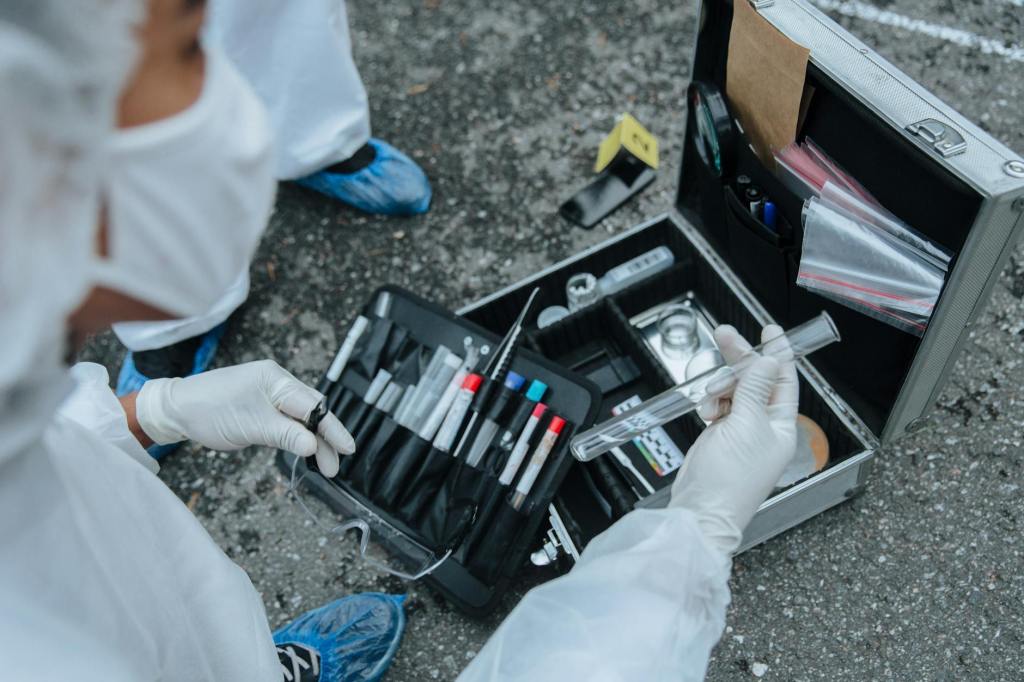
In a groundbreaking project, researchers are exploring a unique approach to saving endangered species from extinction by using animal dung. The innovative concept, known as the “poo zoo,” aims to harness genetic diversity from the cells found within animal feces, offering new hope for conservation efforts worldwide. From snow leopards to sea turtles, many species are rapidly disappearing, and some scientists are calling the ongoing biodiversity loss a “biological annihilation.”
The premise behind this research is simple yet intriguing: animal dung, aside from containing undigested food, bacteria, and bile, also carries cells shed from the lining of the animal’s intestines. Surprisingly, some of these cells, particularly when the dung is fresh, remain alive. Researchers believe these living cells could potentially be used to boost genetic diversity in threatened populations, increasing their chances of survival.
This idea revolves around the concept of “genetic rescue,” which involves using genetic material to rejuvenate or increase the diversity of a species’ gene pool. By analyzing DNA extracted from these cells, scientists could gain deeper insights into the genetic variation of different animal populations. Such information would inform conservation strategies aimed at preserving endangered species and their habitats. Furthermore, extracting DNA from live cells improves the quality of genetic material available, giving researchers a clearer picture of the species’ genetic health.
Beyond merely analyzing the DNA, researchers are exploring the possibility of growing these cells in the laboratory. The ultimate goal is to use advanced reproductive technologies to create offspring from the cells found in animal dung. One of the techniques under consideration is cloning, in which the nucleus of a cell is inserted into a donor egg, and an electric impulse is applied to create an embryo. This embryo could then be implanted into a surrogate, producing a genetic twin of the original animal.
Even more promising is the idea of reprogramming the cells so that they can transform into any type of cell, including sex cells like sperm and eggs. This would enable scientists to use in vitro fertilization (IVF) methods to produce new offspring. Such advancements could help bring species back from the brink of extinction, creating a more robust genetic pool without the need to physically bring together individual animals—especially important when animals are spread out across vast distances or are otherwise inaccessible.
This approach could also help identify key genes that contribute to resilience against wildlife diseases or environmental changes. By screening these sex cells or embryos for specific genes, scientists might be able to engineer animals with enhanced resistance to various challenges, further boosting the chances of species survival. In some cases, genetic editing techniques could even be employed to directly alter the DNA of these animals, increasing their chances of adapting to changing environments.
Another compelling aspect of this research is the ability to store these genetic materials for long-term preservation. Cultured cells can be frozen in liquid nitrogen at temperatures as low as -196°C, allowing them to be kept indefinitely. This biobanking process ensures that the genetic material is preserved for future use, enabling scientists to continue working on conservation efforts even after the original animals have died or become extinct.
While this project offers a novel solution to preserving genetic diversity, it also faces several challenges. The volume of dung that needs to be processed is substantial, requiring large-scale efforts to collect and sift through animal feces. In addition to the animal cells, dung contains a significant amount of bacteria, which can make it difficult to isolate the desired cells. Researchers are working on methods to dilute and remove the bacteria, using antibiotics and antifungals to cultivate the cells in a sterile environment.
Moreover, even if living cells can be isolated and cultured successfully, there are other obstacles to creating offspring. For many animal species, little is known about their reproductive physiology, which could complicate efforts to use lab-grown sex cells for reproduction. Initially, the focus will likely be on species with well-understood biology, such as mice and elephants, but the researchers are hopeful that the technique can be expanded to other animals over time.
Despite the promise of the “poo zoo,” some conservationists argue that preventing species from declining in the first place should remain the top priority. Efforts to halt habitat destruction and curb overexploitation are essential if biodiversity loss is to be reversed. While these new technologies might offer valuable tools for conservation, they are not a substitute for addressing the root causes of extinction, such as human-induced habitat loss and climate change.
Others emphasize that producing more animals through cloning and genetic rescue does not automatically guarantee their survival in the wild. In many cases, the threats that led to a species’ decline—such as poaching, habitat destruction, or diseases—must still be addressed before reintroducing animals into their natural environments.
Nevertheless, supporters of the poo zoo believe that modern and traditional conservation methods can work in tandem. While habitat protection and conservation efforts remain crucial, these new genetic technologies provide a much-needed backup plan in case species face imminent extinction. With biodiversity declining at an alarming rate, they argue that utilizing all available tools—both old and new—could help ensure the survival of many endangered species.
The “poo zoo” project is still in its early stages, but it represents a bold and innovative approach to conservation. By tapping into the untapped genetic potential found in animal dung, scientists may be able to create a brighter future for endangered species, helping to preserve the planet’s biodiversity for generations to come.



 PARYAWARAN
Leave a comment