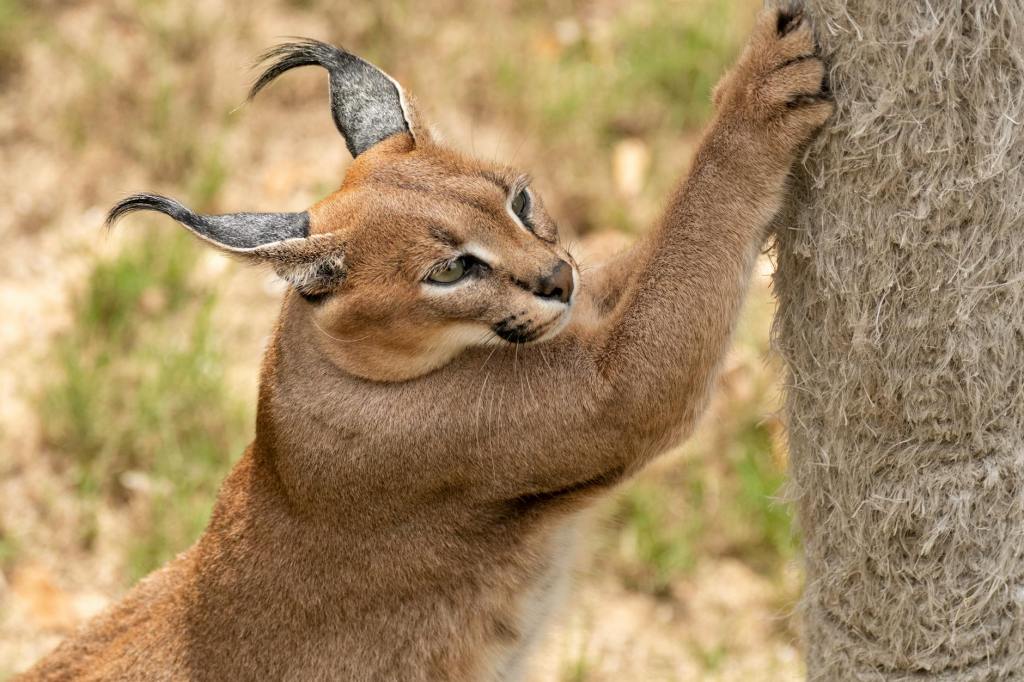
A groundbreaking global study has underscored both the progress and challenges in conservation efforts aimed at protecting animal species from extinction. While some targeted interventions have successfully helped hundreds of species, many others continue to face significant threats, signaling a pressing need for more ambitious and coordinated actions.
Published in PLOS Biology on March 18, 2025, the study analyzes over 67,000 animal species and reveals a mixed picture of success and ongoing decline. On the positive side, the research highlights notable success stories where conservation initiatives have played a key role in preventing extinction. For example, the Iberian lynx, once the most endangered cat on the planet, has made a remarkable recovery, growing from just a few hundred individuals to several thousand. Similarly, New Zealand’s critically endangered kākāpō, a nocturnal and flightless parrot, has benefitted from a long-running recovery program. Meanwhile, the European bison, which was driven to extinction in the wild in the early 20th century, has been successfully reintroduced in parts of Eastern Europe.
Marine species also showed significant recovery, with humpback and blue whale populations bouncing back after the commercial whaling moratorium.
The study’s lead author, Ashley Simkins from the University of Cambridge, emphasized the importance of these conservation efforts, stating, “We found that nearly all the species that moved from a more threatened category to a less threatened one had benefited from some sort of conservation action. It sends a strong message that conservation works.”
The research, conducted by a team from the University of Cambridge, the IUCN, BirdLife International, and the universities of Oxford and Durham, analyzed data from the IUCN Red List to understand which species had shown improvement and what interventions were most effective. It found that nearly every species whose status improved had received targeted conservation measures, including habitat restoration, legal protection, reintroductions, and breeding programs.
Island ecosystems emerged as key hotspots for recovery, with notable improvements in species populations on islands like New Zealand, Mauritius, the Seychelles, and Borneo. Other regions showing progress included parts of the United States, Costa Rica, eastern Australia, and southern India.
Despite these positive results, the overall picture remains grim. For every species that showed improvement, nearly six others deteriorated. Since 1980, 1,220 species of amphibians, birds, and mammals have seen their status decline, while just 201 have improved. In a particularly concerning trend, 25 species have moved from “Least Concern” to “Critically Endangered,” with no species improving in the opposite direction.
The study also identified several major threats driving species declines, including habitat destruction, hunting, fishing, and pollution. Climate change, invasive species, and disease have also played a significant role in the deteriorating statuses of many species. However, in some cases, species facing threats like climate change or invasive species have seen population increases, showing the complex and sometimes paradoxical nature of conservation and the factors influencing it.
Regions with the highest concentrations of species in decline include the tropical Andes, Malaysia’s Peninsula, Sumatra, Borneo, parts of southern Europe, central Asia, and southeastern Australia.
Despite the success stories, the authors emphasize that urgent and larger-scale conservation efforts are needed to counter the ongoing biodiversity crisis. To truly reverse the global loss of species, they call for substantial scaling-up of conservation interventions, particularly those that benefit widely distributed species. These efforts, they argue, are essential to meeting the goals of the Kunming-Montreal Global Biodiversity Framework, which aims to restore species populations to resilient levels and reduce the risk of extinction worldwide.



 PARYAWARAN
Leave a comment