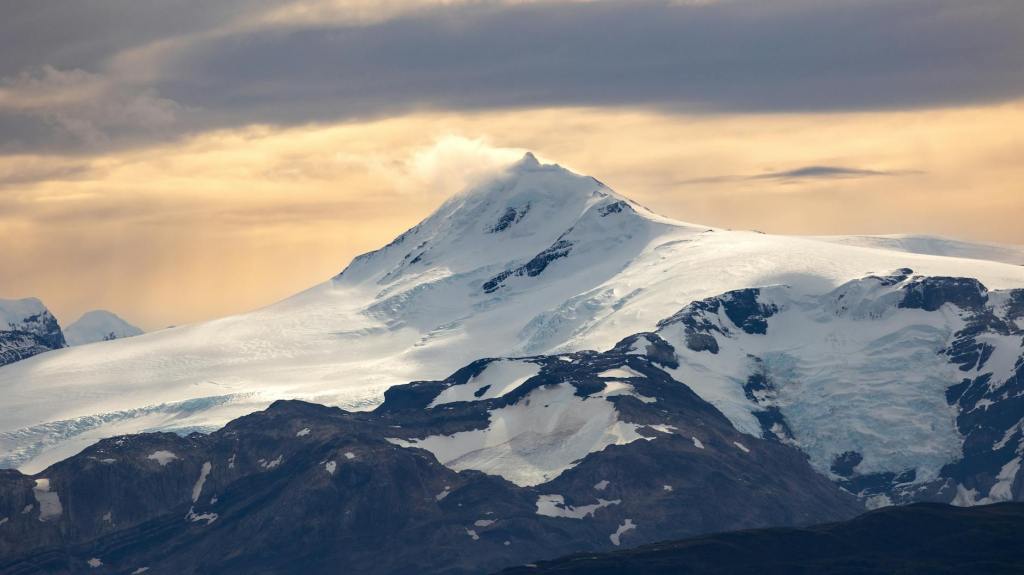
The world’s glaciers are disappearing at an alarming rate, and this rapid retreat is putting the food and water security of more than 2 billion people at serious risk. A new United Nations report paints a grim picture of how the loss of these ice masses is disrupting ecosystems, agriculture, and water supplies in mountain regions—and the impacts are being felt far beyond the mountains themselves.
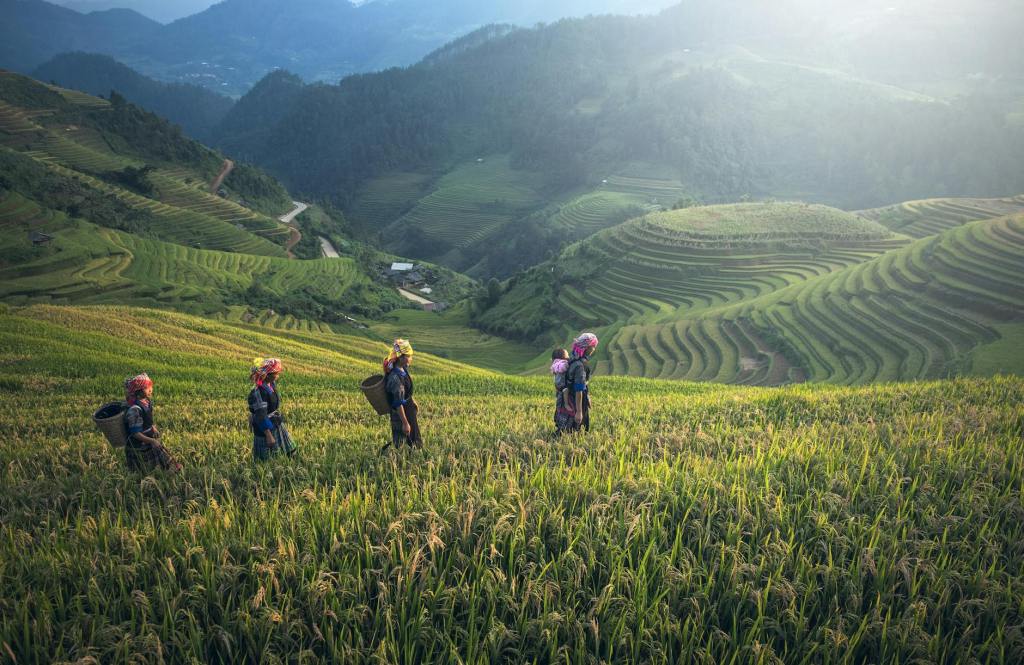
The report reveals a startling reality: two-thirds of the world’s irrigated agriculture is highly vulnerable to the retreat of glaciers and declining snowfall. For generations, glaciers have been essential water sources for regions across the globe, providing steady meltwater that supports everything from farming to drinking water and hydroelectric power. But as the planet warms, these frozen reservoirs are shrinking, and the predictable flow of meltwater is becoming increasingly erratic.
One notable example is the Colorado River, which is already under stress from drought conditions. The river relies heavily on snowmelt, but higher temperatures are causing more precipitation to fall as rain instead of snow. Rainwater doesn’t provide the same slow, steady flow as snowmelt, draining quickly and leaving communities and agricultural sectors vulnerable to water shortages. The changing patterns of snow and rain are compounding existing water challenges, and as glaciers continue to shrink, this issue will only intensify.
The effects of glacial retreat extend far beyond the mountain regions where these glaciers are located. Glaciers act as nature’s water towers, slowly releasing meltwater that feeds rivers and streams, ensuring a steady supply of water for ecosystems and human populations alike. But as glaciers melt faster and more unpredictably, the balance between water abundance and scarcity is disrupted. The early stages of glacial retreat often result in flooding, as ice dams break or glacial lakes overflow. Over time, however, the reduction in meltwater leads to drought conditions, leaving regions facing both extreme water shortages and the chaos of floods.
The shrinking glaciers also contribute to a dangerous feedback loop that accelerates global warming. As ice retreats, it exposes darker surfaces like rock and soil, which absorb more solar heat than the reflective ice. This, in turn, causes even more warming, further speeding up the melting process. The impact isn’t just limited to temperature increases—it also disrupts weather patterns, causing more extreme climate events, including floods, avalanches, and severe storms.
Experts warn that these cascading disruptions are already happening. While the image of melting glaciers might feel abstract or distant, the consequences are real and far-reaching. From higher food prices to the displacement of populations seeking stable water sources, the impacts are profound. With water becoming scarcer, competition over resources will only increase, potentially destabilizing economies and creating geopolitical tensions.
The reality of melting glaciers is much more than an environmental issue—it’s a global crisis that impacts the most fundamental aspects of human life: food, water, and security. As the world’s glaciers continue to vanish, millions of people are facing the destabilizing consequences of climate change. With each passing year, the need for urgent action becomes more pressing.
the loss of glaciers isn’t just a future problem—it’s a current one. From agriculture to migration patterns, the ripple effects of glacial melt are being felt across the globe. The time to address this issue is now, before it leads to even more widespread disruption. If the world doesn’t act quickly to mitigate the effects of climate change, the consequences could be devastating for billions of people worldwide.

 PARYAWARAN
Leave a comment