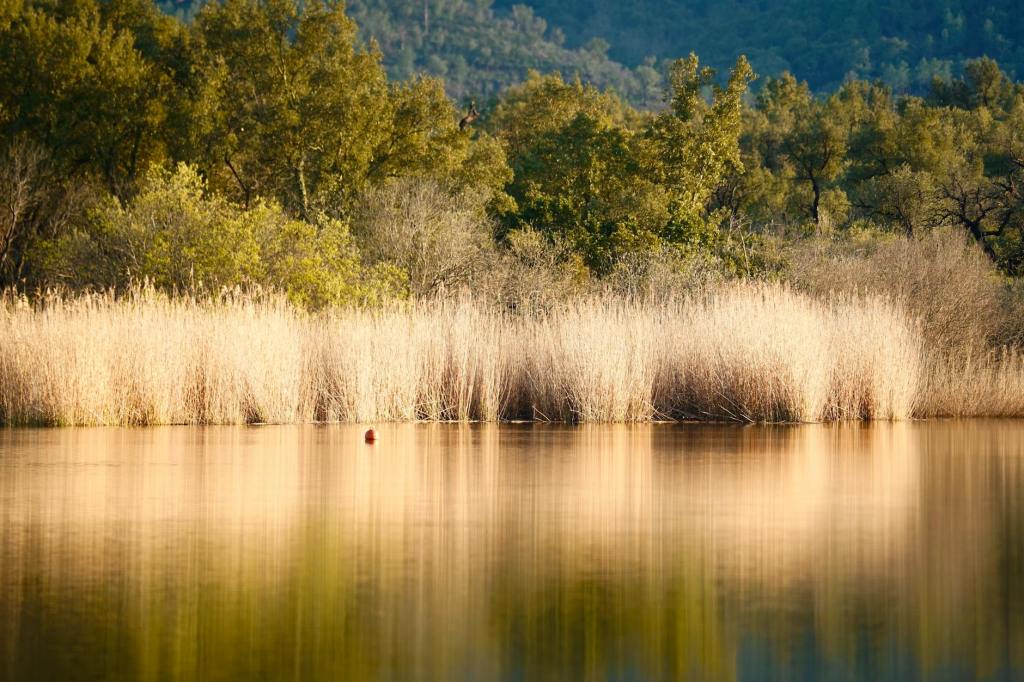
A new global analysis of over 2,000 studies has sounded the alarm on the alarming decline of biodiversity across nearly every ecosystem on Earth. The comprehensive synthesis reveals that human activities have dramatically reduced species richness, with ecosystems facing an average decline of around 20% in areas heavily influenced by human presence. This loss is not confined to specific regions or environments—it spans across land, freshwater, and marine ecosystems worldwide.
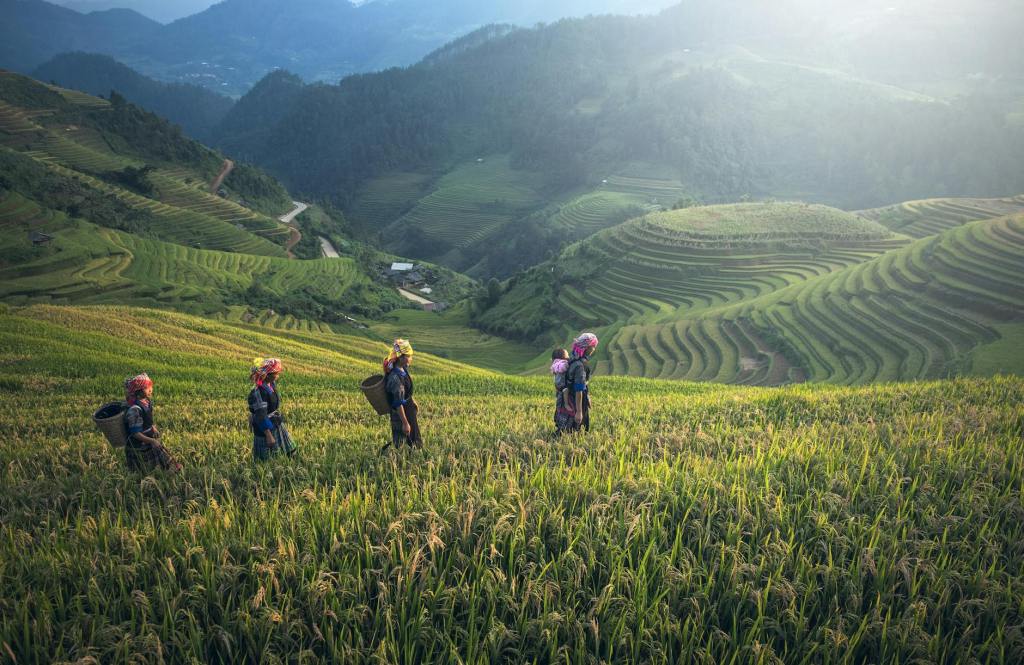
The study identifies five primary drivers behind this ecological crisis: habitat change, direct exploitation of species, climate change, invasive species, and pollution. Among these, agriculture plays a particularly dominant role, reshaping natural landscapes at an unprecedented scale.
Habitat change, driven by deforestation, urban sprawl, and agricultural intensification, has fragmented and destroyed vital ecosystems. Forests are cleared for monoculture crops, wetlands drained for development, and natural areas converted into industrial zones, leaving countless species struggling to survive in shrinking and degraded habitats.
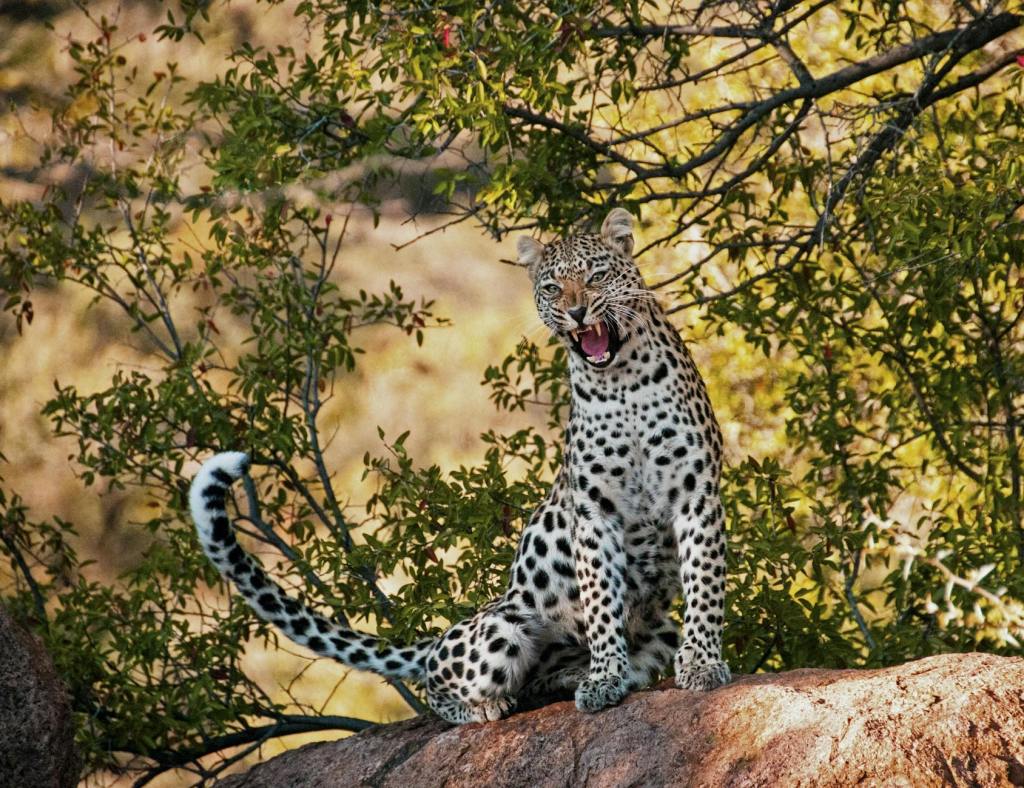
Direct exploitation of wildlife through overfishing, hunting, and poaching has decimated populations, especially among reptiles, amphibians, and mammals. The illegal wildlife trade compounds this issue, pushing many species toward extinction at alarming rates.
Climate change adds another layer of stress, altering temperature patterns, shifting rainfall distribution, and increasing the frequency and intensity of extreme weather events. These changes disrupt the delicate balance within ecosystems, leaving many species unable to adapt quickly enough to survive.
Invasive species, both introduced intentionally and accidentally by human activities, pose a serious threat to native biodiversity. These species often outcompete local flora and fauna for resources, leading to the decline or extinction of indigenous species. Pollution—from plastic waste in oceans to chemical runoff in freshwater systems—further deteriorates habitats, poisoning wildlife and disrupting vital ecological processes.
While the decline in species numbers is concerning, researchers emphasize that the crisis extends beyond simple counts. Even in areas where species numbers remain relatively stable, ecosystems are losing functional diversity—the variety of roles species play within their environments. This loss undermines ecosystem resilience, making natural systems less adaptable to changes and shocks.
For example, pollinators like bees and butterflies are critical for the reproduction of many crops and wild plants. Their decline not only threatens biodiversity but also food security. Similarly, fungi play a key role in nutrient cycling, soil health, and carbon storage. A reduction in fungal diversity can have cascading effects on forest ecosystems and agricultural productivity.
The implications of this ecological degradation are far-reaching and directly impact human well-being. From the food on our plates to the water we drink, the ecosystems that support human life are under siege. Healthy ecosystems purify air and water, regulate the climate, and act as natural barriers against diseases. As these systems degrade, their ability to perform these essential functions diminishes, making human populations more vulnerable to health crises, natural disasters, and economic instability.
This “ecological hollowing-out” is not just an environmental issue—it’s an existential one. Scientists warn that we are replacing rich, adaptive ecosystems with stripped-down versions that are more vulnerable to shocks, from pandemics to extreme weather events. The COVID-19 pandemic has highlighted the connection between environmental degradation and the emergence of new infectious diseases, underscoring the urgent need to address the root causes of biodiversity loss.
Despite the dire outlook, there is still hope. The study’s authors stress that reversing the trend of biodiversity loss requires coordinated global action. Key measures include protecting and restoring natural habitats, reducing greenhouse gas emissions, curbing pollution, and addressing the overexploitation of species.
Conservation efforts must be integrated with sustainable development practices. For example, promoting agroecology can help balance agricultural productivity with ecosystem health, while establishing protected areas and wildlife corridors can safeguard critical habitats. Additionally, reducing our carbon footprint and transitioning to clean energy are vital steps in mitigating the impacts of climate change on biodiversity.
Governments, businesses, and individuals all have a role to play in this effort. Policies that prioritize environmental protection, combined with public awareness campaigns and community engagement, can drive meaningful change. The global community’s response to the biodiversity crisis will shape the future of life on Earth—not just for humans, but for all species with whom we share this planet.
As the study underscores, time is of the essence. The longer we delay action, the harder it will be to restore the rich, diverse ecosystems that have sustained life on Earth for millions of years. The time to act is now.


 PARYAWARAN
Leave a comment