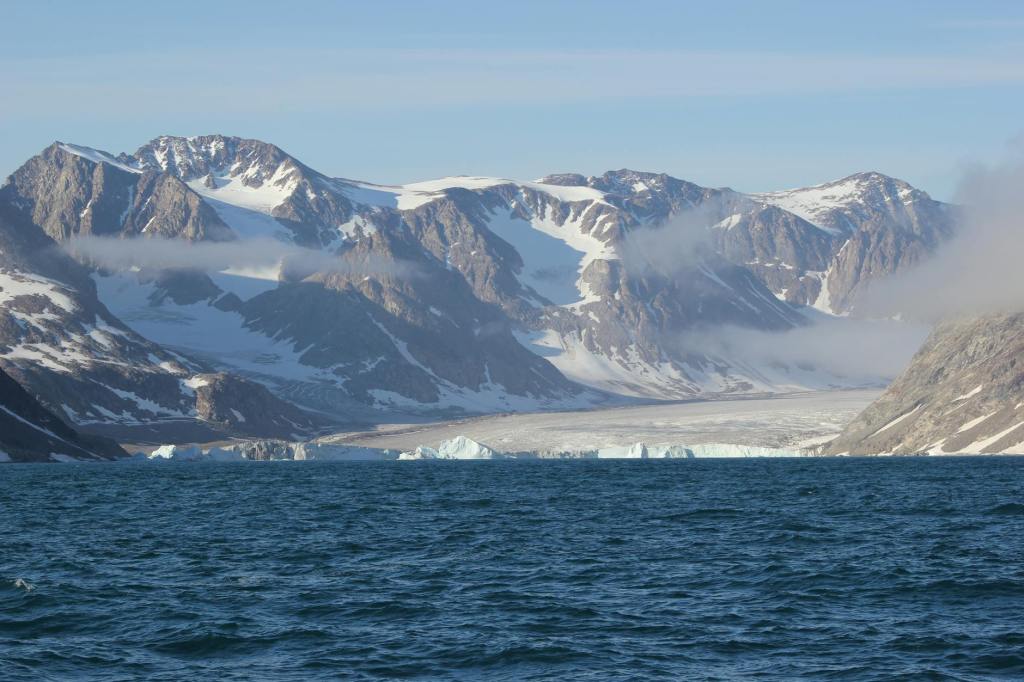
In the heart of the Arctic, Greenland’s melting ice sheets are revealing not just ancient landscapes but also vast reserves of rare earth minerals that could reshape the global balance of power and accelerate the clean energy transition. Holding 18 percent of the world’s reserves of key rare earth elements, including neodymium and dysprosium, Greenland is rapidly emerging as a focal point in the race for critical resources vital to modern technologies.
Rare earth elements (REEs) are indispensable in the production of everything from smartphones and wind turbines to electric vehicle batteries and advanced military hardware. As the global demand for clean energy solutions surges, so does the need for these metals, which are essential for the magnets in wind turbines, the batteries in electric cars, and even the electronics that power national defense systems. However, the world’s reliance on China, which dominates the rare earth market, has triggered a strategic shift. Western nations, driven by economic and security concerns, are turning their gaze northward to Greenland, where vast deposits lie beneath thawing permafrost.
The Strategic Significance of Greenland’s Resources
Greenland’s rare earth reserves are not just large; they are also strategically positioned. The island’s rich deposits include significant amounts of neodymium, used in powerful magnets for renewable energy technologies, and dysprosium, critical for military-grade applications. The discovery of these minerals beneath the Arctic ice has intensified geopolitical competition, as countries seek to secure alternative sources to reduce dependence on China.
Yet Greenland’s harsh Arctic environment poses unique challenges for mining operations. The region’s fragile ecosystem, already stressed by climate change, faces new risks from industrial activity. The permafrost, a critical component of Greenland’s landscape, is thawing at an alarming rate, complicating extraction efforts and raising concerns about environmental stability. Mining activities risk disturbing sensitive wildlife habitats, introducing pollution through dust and black carbon, and potentially affecting local Indigenous communities whose traditional livelihoods depend on the land.
Environmental and Social Concerns
Environmentalists warn that the push to mine Greenland’s rare earth minerals could exacerbate the very climate crisis it aims to mitigate. The extraction process for REEs is energy-intensive and often involves harmful chemicals, leading to soil and water contamination. In a region where melting ice is already contributing to rising sea levels, the additional environmental strain could have far-reaching consequences.
Indigenous communities, particularly the Inuit population, are raising alarms about the potential impacts on their lands, waters, and way of life. Many fear that mining operations could lead to displacement, loss of traditional hunting grounds, and health risks from pollution. The debate over resource extraction in Greenland is not just about economics and geopolitics; it is deeply intertwined with questions of environmental justice and Indigenous rights.
The Global Race for Rare Earths
As the world accelerates its shift toward renewable energy, the demand for rare earth elements is expected to skyrocket. The International Energy Agency (IEA) projects that the demand for these minerals will increase sixfold by 2040 to support the clean energy transition. This surge in demand has prompted countries to explore alternative sources, including Greenland, Australia, and parts of Africa.
However, the extraction of rare earths is not without its trade-offs. While Greenland’s deposits could reduce reliance on China, the environmental and social costs of mining may outweigh the benefits. Critics argue that a more sustainable approach would involve increasing recycling of rare earth materials, improving mining technologies to reduce environmental impact, and prioritizing ethical sourcing.
A Delicate Balance
The situation in Greenland represents a complex intersection of environmental conservation, Indigenous rights, and global geopolitics. On one hand, the minerals beneath Greenland’s ice could fuel the clean energy revolution and reduce geopolitical tensions related to resource dependence. On the other hand, the extraction process could accelerate climate change, threaten fragile ecosystems, and harm local communities.
As the world navigates this delicate balance, Greenland’s future hangs in the balance. The choices made in the coming years will not only determine the fate of the island’s environment and people but also shape the global trajectory of energy, security, and sustainability. In the race for rare earths, the question remains: can the world secure its future without compromising the fragile Arctic frontier?


 PARYAWARAN
Leave a comment