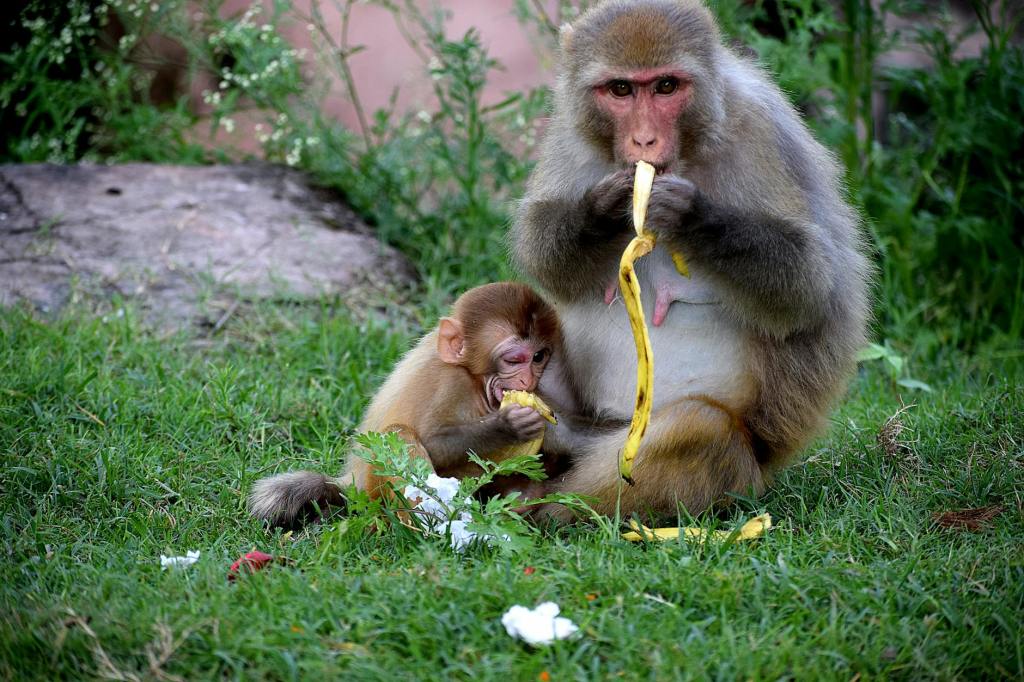
In a significant move to protect agricultural production, Sri Lanka has launched a nationwide wildlife census focusing on species that pose threats to crops, including monkeys, peacocks, and wild boars. The census, which mobilized around 40,000 personnel across the country, aimed to gather critical data to develop effective countermeasures against wildlife-related agricultural damage.
The extensive survey involved counting animals within a five-minute window near farms and residential areas. This rapid assessment strategy was designed to provide a snapshot of wildlife populations that frequently encroach on human settlements and agricultural lands, causing substantial crop loss and economic hardship for farmers.
Officials reported that the primary focus of the census was on species known for their disruptive behavior, such as monkeys, which are notorious for raiding fruit orchards, and peacocks, whose feeding habits often lead to significant damage to crops. Additionally, wild boars and lorises were included in the survey due to their increasing presence in areas close to agricultural fields.
The data collected will be pivotal in shaping government policies and intervention strategies. By understanding the distribution and behavior of these species, authorities aim to implement targeted measures that balance wildlife conservation with the need to protect farmers’ livelihoods.
Environmental experts have highlighted the significance of this initiative, noting that human-wildlife conflicts are rising in Sri Lanka due to habitat loss and agricultural expansion. The census offers valuable insights into wildlife interactions with human environments, which is key to developing sustainable coexistence strategies.
Farmers have long voiced concerns over the impact of wildlife on their crops, with many reporting substantial losses due to animal invasions. The government’s proactive approach through this census signals a commitment to addressing these challenges while also promoting biodiversity conservation.
The next steps involve analyzing the collected data to identify high-risk areas and determine appropriate mitigation measures. These may include the establishment of wildlife corridors, improved crop protection techniques, and community-based wildlife management programs.
As Sri Lanka continues to navigate the complex dynamics of human-wildlife interaction, this census represents a significant step towards sustainable agricultural practices and the harmonious coexistence of humans and wildlife.


 PARYAWARAN
Leave a comment