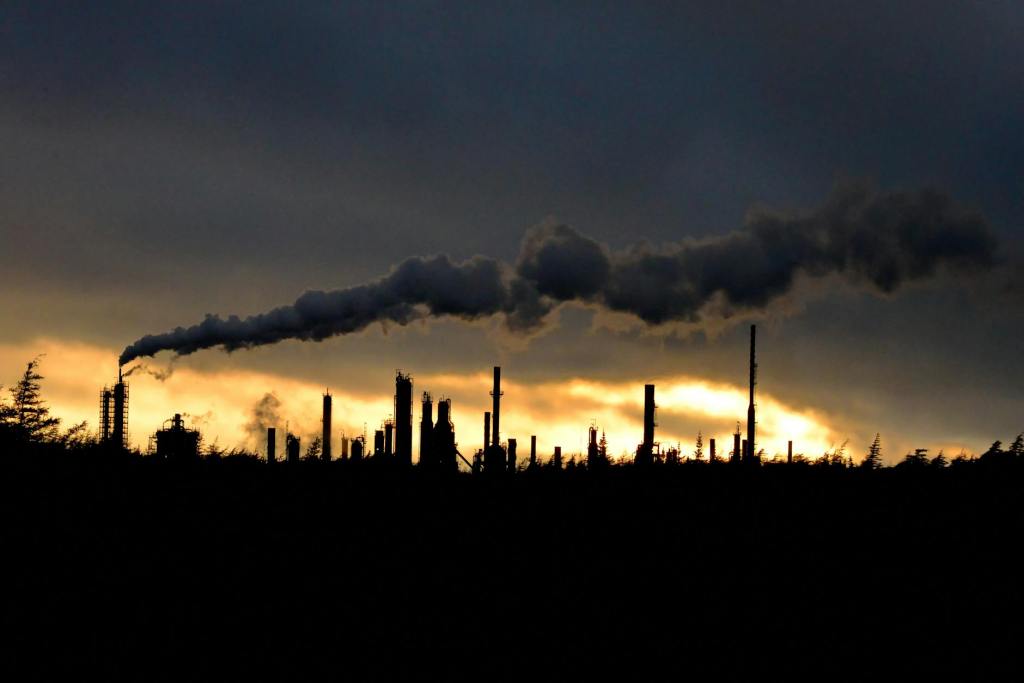
Recent research from Johns Hopkins University has unveiled alarming findings about the health risks posed by air pollution near petrochemical plants. The study challenges long-held assumptions in environmental health science, suggesting that the combined effects of toxic air pollutants may be far more hazardous than previously understood.
Traditionally, regulatory agencies like the Environmental Protection Agency (EPA) have assessed the risks of individual chemicals in isolation. However, scientists at Johns Hopkins have developed an innovative method to measure the cumulative health impacts of multiple toxic pollutants inhaled simultaneously. This approach has shed light on the hidden dangers faced by residents living near industrial corridors, particularly in southeastern Pennsylvania.
Using a state-of-the-art mobile laboratory, the researchers detected 32 hazardous air pollutants in real-time around petrochemical sites. By translating these concentrations into long-term health risk profiles, the team was able to identify risks not just to the respiratory system, but also to neurological and reproductive health.
“Our current regulatory framework assumes that people are exposed to one chemical at a time,” said a lead scientist from Johns Hopkins. “But in reality, industrial emissions create complex mixtures of pollutants that people breathe in daily. This can have cumulative effects on multiple organ systems.”
Among the pollutants identified, formaldehyde emerged as a key concern. While its respiratory dangers are well-documented, the new research highlights its potential to cause neurological and reproductive harm—risks that are not fully accounted for in existing EPA assessments. This revelation is particularly troubling given the widespread presence of formaldehyde in industrial emissions.
The study’s findings are especially significant for frontline communities in the U.S., where petrochemical facilities are often concentrated. These areas, frequently home to vulnerable populations, are disproportionately affected by environmental injustices. The research underscores the urgent need for regulatory reforms that reflect the complex reality of chemical exposures.
The current federal regulatory infrastructure, already under strain from budget cuts and policy shifts, may not be equipped to address these emerging threats. As the nation grapples with the dismantling of key environmental protections, the new study serves as a stark reminder of the importance of robust, science-based regulations.
Environmental health experts argue that this research should prompt a reevaluation of how the EPA and other agencies assess chemical risks. “It’s not enough to consider single chemicals in isolation,” said Dr. Emily Carter, an environmental toxicologist not involved in the study. “We need to account for the real-world exposure scenarios that people face every day.”
The implications of the study extend beyond policy. For residents living near petrochemical plants, the findings are both sobering and urgent. Many of these communities have long reported health issues such as respiratory problems, headaches, and reproductive health concerns, often without clear explanations. The new research may provide the scientific evidence needed to link these health outcomes to environmental exposures.
In the coming months, the Johns Hopkins team plans to expand their research to other industrial regions across the country. They aim to refine their methods and provide comprehensive risk assessments that can inform public health interventions and regulatory reforms.
For now, the message is clear: the air near America’s industrial corridors may be far more dangerous than previously believed. As the nation confronts the dual challenges of environmental degradation and regulatory rollback, the need for scientific vigilance and community advocacy has never been more critical.




 PARYAWARAN
Leave a comment