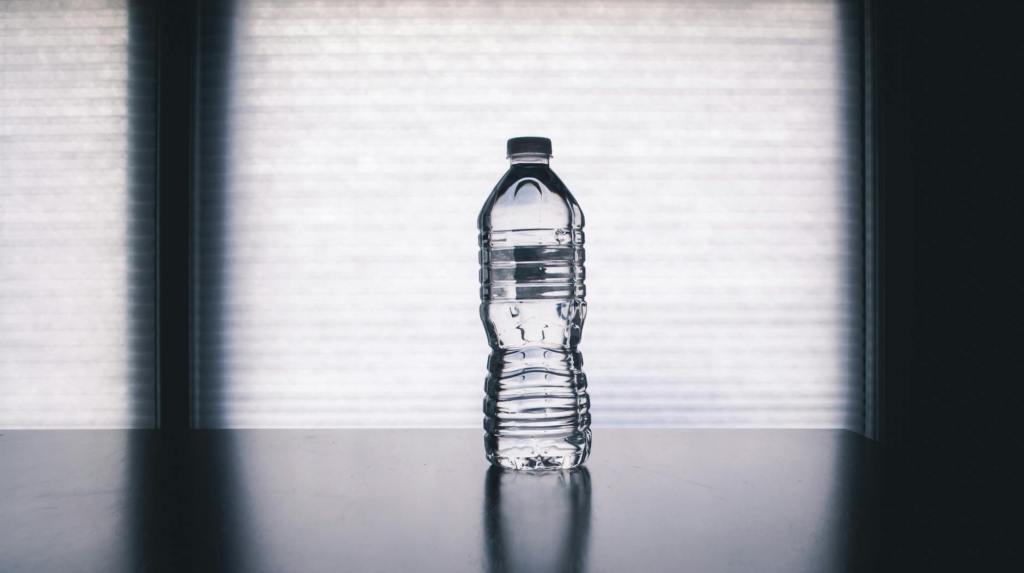
A recent study from Austria has raised concerns about the potential health risks of microplastics in bottled water, suggesting a possible link to changes in blood pressure. The research, published in the Microplastics Journal, highlights how microplastics—tiny plastic particles that can seep into water from plastic containers—might interfere with cardiovascular health.
The small-scale study observed participants who switched from bottled water to tap water over a specified period. Researchers found that women experienced a noticeable drop in diastolic blood pressure, the lower number in a blood pressure reading, while men did not show similar results. The discrepancy may stem from the study’s limited sample size, which could affect the reliability of the findings.
While the results are intriguing, they are not conclusive. The research team emphasized the need for larger, more comprehensive studies to confirm these findings and understand the mechanisms at play.
Microplastics are microscopic particles, often thinner than a strand of hair, that have become an omnipresent part of modern life. Found in the air we breathe, the food we eat, and even the water we drink, these tiny particles pose emerging health concerns. Their presence in bottled water is particularly concerning because plastic containers are known to release microplastics over time, especially when exposed to heat or prolonged storage.
The study’s findings add to a growing body of evidence suggesting that microplastics might do more than just linger passively in the environment. Previous research has linked them to inflammation, endocrine disruption, and now potential cardiovascular effects. High blood pressure, already affecting nearly half of adults in the U.S., is a major risk factor for stroke and heart disease. If microplastics are contributing to elevated blood pressure—even in small ways—the public health implications could be significant.
Researchers suspect that these particles may enter the bloodstream and interfere with normal cardiovascular functions, potentially leading to changes in blood pressure.
The study’s participants were monitored for changes in blood pressure after switching from bottled water to tap water. While the reduction in diastolic pressure among women was statistically significant, the lack of similar effects in men suggests that additional research is needed to understand gender-specific responses.
Experts outside the study have urged caution in interpreting the results. While this research is an important step in understanding the potential health risks of microplastics, the sample size is small, and the findings need to be replicated in larger, diverse populations before drawing definitive conclusions.
Despite the preliminary nature of the research, the study has already prompted public health discussions about the safety of bottled water and plastic packaging. Some health professionals recommend minimizing exposure to plastics when possible, particularly by opting for glass or stainless steel containers and drinking tap water when it meets safety standards.
In the meantime, researchers continue to investigate the broader impacts of microplastics on human health. There is a growing recognition that it’s important to be cautious and consider the potential risks associated with everyday plastic exposure.
As the world grapples with the growing presence of microplastics in the environment, studies like this one underscore the urgent need for more research and public awareness. While the full extent of the health risks remains unclear, one thing is certain: the tiny particles we can’t see may be having a much bigger impact on our health than previously thought.




 PARYAWARAN
Leave a comment