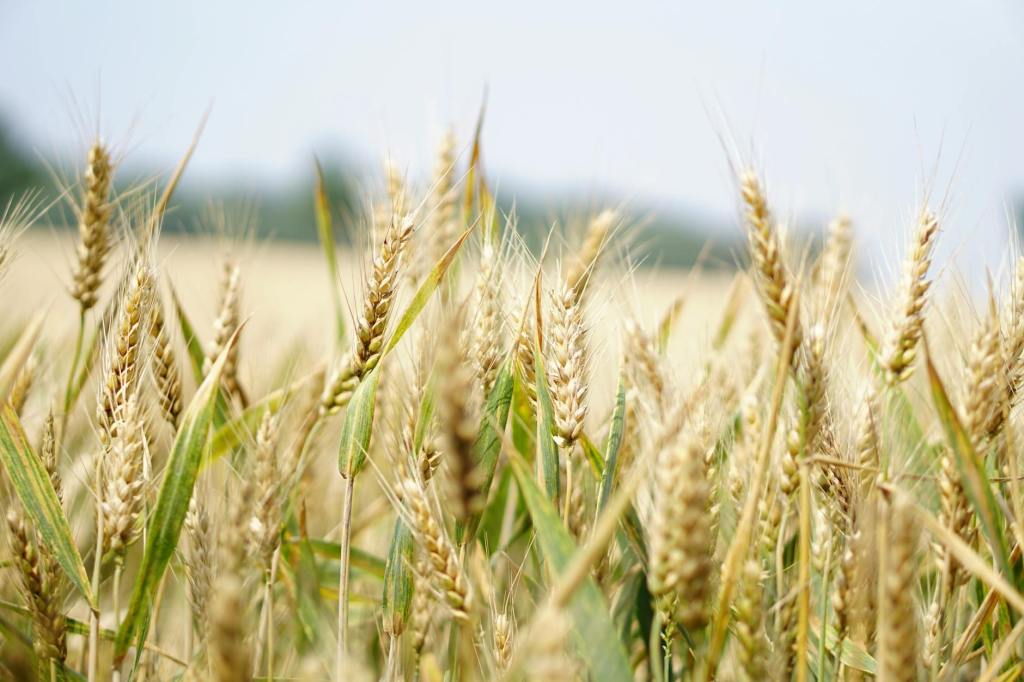
For centuries, farmers across India have grappled with the persistent challenge of crop raiding by wildlife. As forests shrink and agricultural frontiers expand, the frequency and intensity of this human-wildlife conflict have escalated, leading to significant economic and emotional distress for rural communities. In some cases, farmers have reported losing more than 50% of their harvest due to raids by wild boars, nilgai, deer, elephants, and primates.
To deter these losses, many farmers employ non-lethal strategies such as fencing and night guarding. However, some have resorted to more dangerous measures, including electrocution and poisoning of animals — practices that raise serious concerns for wildlife conservation.
Traditionally, state governments have offered financial relief through ex gratia payments issued by forest departments. These token compensations, however, are often marred by bureaucratic red tape, delays, and cumbersome claim procedures. Experts argue that a more structured approach, particularly through crop insurance, could provide farmers with timely financial security and reduce retaliatory harm to wildlife.
Despite facing numerous risks — from erratic monsoons and hailstorms to droughts and heatwaves — wildlife-related crop damage has long been excluded from mainstream crop insurance schemes in India. Since its launch in 2016, the Pradhan Mantri Fasal Bima Yojana (PMFBY) has provided comprehensive coverage against natural calamities, consolidating previous schemes under a single framework. Yet, until recently, it continued to exclude damage caused by wild animals.
Under PMFBY, farmers pay a subsidised premium: 2% of the insured sum for Kharif crops, 1.5% for Rabi crops, and 5% for horticultural or commercial crops. The government shoulders the remaining premium burden. The scheme offers protection against a host of non-preventable risks, such as floods and droughts. However, wildlife damage has historically been deemed preventable, a categorisation critics say ignores the complex realities farmers face.
Night guarding to prevent crop raids takes a heavy toll on farmers’ physical and mental health, leading to chronic stress and exposure to potentially deadly encounters. Human-elephant conflicts alone claim over 600 lives annually in India, underlining the urgent need for a more inclusive risk protection mechanism.
One of the biggest challenges in integrating wildlife-related losses into insurance coverage lies in assessment. Unlike floods or droughts, which can be quantified using meteorological and satellite data, crop raiding is highly localised and lacks uniform indicators. The absence of historical data on such losses further complicates the process, making it difficult for insurers to price policies accurately.
In some cases, farmers are asked to substantiate their claims using reports from forest, agriculture, or revenue departments — or even media coverage — which are often unavailable for smallholders. Though losses can be certified by Gram Sabhas or Panchayati Raj institutions, insurers often reject claims citing “moral hazard” — a term used in the industry to describe the risk of insured parties acting carelessly because they are shielded from the consequences.
Recognising these gaps, the Union Government announced in December 2024 the extension of PMFBY to include crop losses due to wildlife on a pilot basis. The move marks a significant policy shift and reflects growing awareness of the toll human-wildlife conflict is taking on rural communities. However, implementation hurdles remain.
For the revised scheme to succeed, experts stress the need for more accessible reporting mechanisms, robust loss indicators, and better collaboration between forest, agriculture, and insurance authorities. Additionally, expanding awareness among farmers and building trust in the process will be key to its acceptance and effectiveness.
As the government continues to refine the framework, stakeholders remain cautiously optimistic. If implemented equitably and efficiently, the inclusion of wildlife-related crop losses under PMFBY could represent a crucial step toward balancing the needs of farmers with wildlife conservation goals — a balance that is increasingly vital in India’s rapidly changing landscape.




 PARYAWARAN
Leave a comment