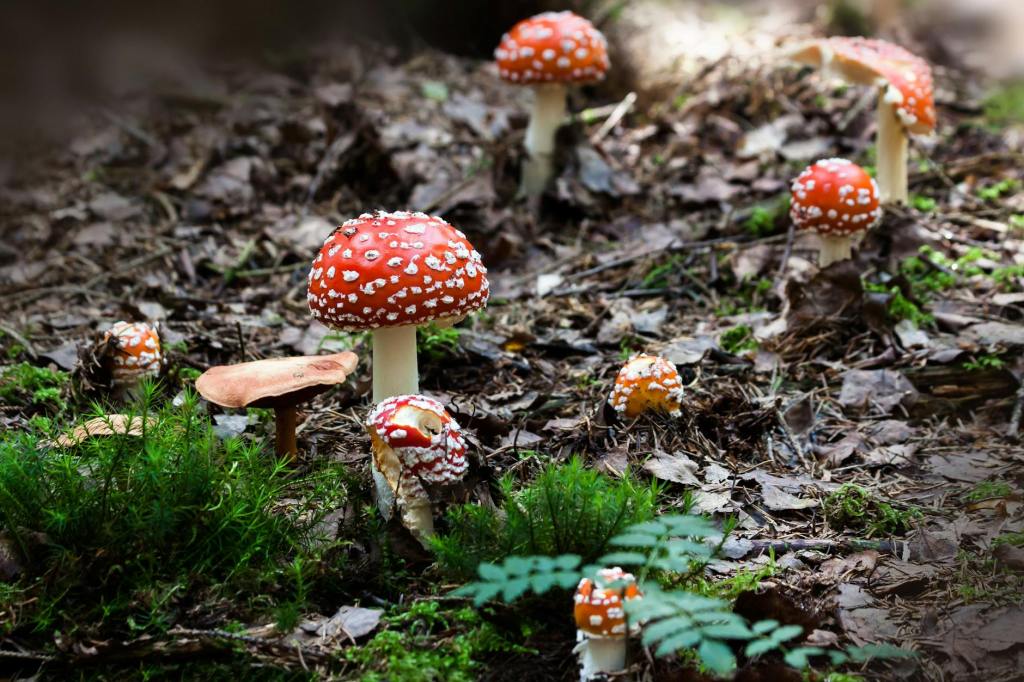
After Los Angeles’ devastating wildfires reduced neighborhoods to rubble laced with toxic chemicals, one scientist is leading an innovative and sustainable cleanup effort that could revolutionize post-disaster recovery. Danielle Stevenson, an environmental toxicologist and founder of the Centre for Applied Ecological Remediation, is harnessing the natural power of fungi and native plants to detoxify contaminated soil—right where it lies.
Traditional methods of soil remediation often rely on what’s known as “dig and dump”—a costly and carbon-intensive process in which contaminated soil is excavated and hauled to other sites, sometimes without any treatment. But Stevenson’s approach, rooted in mycoremediation and phytoremediation, avoids simply relocating the problem. Instead, she’s planting native fungi and vegetation that naturally extract or break down harmful chemicals left behind by wildfires, such as heavy metals, polycyclic aromatic hydrocarbons, and other petrochemical residues.
“After wildfires, the ash and debris often contain a toxic cocktail of chemicals from burned plastics, household goods, and synthetic materials,” said Stevenson. “But fungi and native plants have evolved complex ways of dealing with these contaminants. I’ve seen amazing reductions in contaminants in relatively short times with very few inputs. I really believe in this stuff.”
Her method has already seen success in several test sites around Los Angeles, including Taylor Yard, a former rail yard-turned-brownfield along the LA River. Once a chemically polluted no-go zone, Taylor Yard was transformed within a year into a budding ecosystem, alive with native species and vastly improved soil health. Her research showed a dramatic drop in pollutants, with some contaminants reduced by over 90% thanks to the fungi’s natural decomposing abilities.
The fungi, including native species of oyster and turkey tail mushrooms, break down complex hydrocarbons and absorb heavy metals through their mycelium—an underground network that acts like nature’s internet, linking with plant roots and facilitating nutrient exchange. Meanwhile, the native plants help stabilize the soil and prevent erosion, all while extracting toxins through their roots and leaves.
This living cleanup approach also aligns with climate adaptation strategies. With wildfires projected to increase in frequency and severity due to climate change, communities face mounting risks of chemical exposure long after the flames die down. Stevenson believes bioremediation could provide a safer, more cost-effective alternative for communities looking to recover without relying on industrial-scale interventions.
“The current model of hauling contaminated soil out of neighborhoods often exposes other communities to risk and does nothing to actually address the contamination,” said Stevenson. “But with the right fungi and plants, we can clean the soil in place, rebuild ecosystems, and improve community health.”
The potential ripple effects are already sparking interest among local governments, environmental groups, and even real estate developers. Stevenson envisions a broader “mycoeconomy”—a network of jobs, industries, and ecological benefits based on fungi-powered remediation. She’s also working on formalizing her findings in a series of peer-reviewed studies, which she hopes will provide scientific validation and accelerate adoption of the technique.
While still in its early stages, Stevenson’s approach is gaining attention as a beacon of hope in the fight to restore fire-ravaged lands without compounding environmental harm. As cities across the West grapple with the long-term impacts of wildfires, this marriage of ancient fungal wisdom and modern ecological science could offer a vital path forward—one that not only heals the land but helps communities regenerate from the ground up.




 PARYAWARAN
Leave a comment