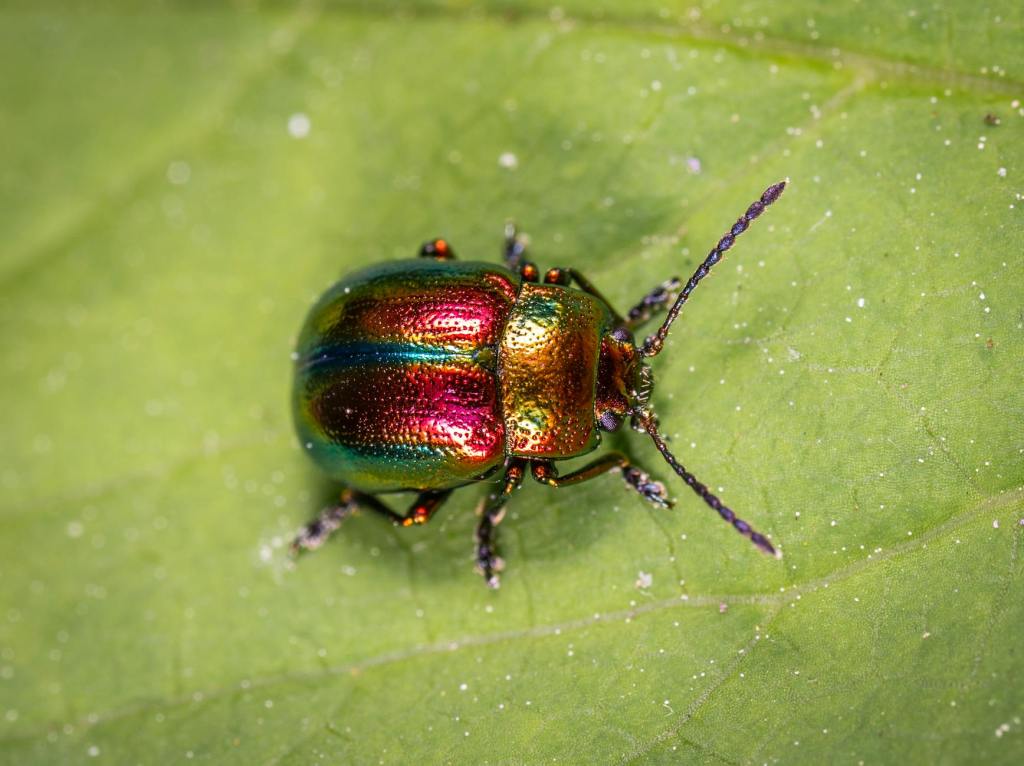
A recent and unusual wildlife trafficking case in Kenya has brought global attention to a largely overlooked corner of the illegal animal trade: insect smuggling. Authorities arrested and fined four men who were attempting to smuggle over 5,000 ants out of the country, intending to sell them as exotic pets. The ants were found stored in individual test tubes and syringes, packed with small amounts of cotton wool to aid transportation.
While the illegal wildlife trade is often associated with high-profile species like rhinos, elephants, and pangolins, this case underscores the breadth of trafficking activity, extending even to insects. It also raises questions about law enforcement priorities, international conservation laws, and public awareness of the lesser-known victims of wildlife crimes.
Wildlife trafficking refers to the illegal smuggling, capture, or exploitation of wild animals, plants, or timber. Insects, despite their ecological importance, are rarely the focus of enforcement or public concern. Yet, for collectors, researchers, and exotic pet enthusiasts, insects such as rhino beetles, praying mantis eggs, and butterflies are highly sought after. Over the years, these creatures have been illegally transported across borders, often hidden in luggage, food packaging, or personal effects.
Globally, insect populations are in decline. Pollution, pesticide use, climate change, and expanding urban environments all contribute to their dwindling numbers. While the exact impact of trafficking on insect species is difficult to quantify due to underreporting and the clandestine nature of the trade, experts warn that illegal collection further strains vulnerable populations. Some ant species, including the endangered anathema ant, are listed on the International Union for the Conservation of Nature (IUCN) Red List and are therefore protected under international conservation laws.
National protections vary, making enforcement complex. For example, in the UK, it is illegal to disturb or destroy the nests of species like the red wood ant. However, such protections are inconsistently applied around the world, leaving loopholes that traffickers can exploit.
The involvement of organized crime networks adds another layer of concern. Experts note that some criminal groups, traditionally involved in drug or weapons smuggling, have diversified into the illegal wildlife trade, recognizing its lucrative potential and often low risk of prosecution. Wildlife smuggling can involve both well-organized syndicates and looser, semi-structured networks. As long as profits are possible, traffickers will target even the smallest of species.
The scale of insect trafficking remains largely unknown, with many incidents likely going unreported. Law enforcement agencies often focus their limited resources on higher-profile crimes, treating wildlife offenses as a lower priority. Compounding the issue is the challenge of identifying the exact species involved in seizures. Many insects look similar, and proper classification requires expert knowledge—something that may not always be available to customs or border patrol officers.
Despite these obstacles, there have been notable seizures. In one case at Los Angeles International Airport, authorities discovered 37 rhino beetles hidden inside packets of sweets and crisps. Incidents like this highlight how easily insects can be concealed and transported across borders.
Beyond conservation concerns, smuggling insects carries ecological risks. Trafficked species may become invasive when introduced to non-native environments, threatening local ecosystems and biodiversity. These invasive insects can outcompete native species for resources, spread disease, or damage crops and habitats. A current example is the Asian hornet, which has been wreaking havoc across parts of Europe.
Financial costs also escalate in response to such invasions. In Hawaii, for instance, the state spends around US\$10 million annually to combat invasive species—more than US\$2.4 million of which is dedicated to controlling the coconut rhinoceros beetle.
Experts argue that enforcement of wildlife trafficking laws must extend to all species, not just the most charismatic or well-known. Underestimating the importance of insect protection allows traffickers to exploit legal grey areas and continue their operations with minimal consequences.
This recent case in Kenya serves as a stark reminder that wildlife trafficking is a multifaceted crime. As the global community works to curb this illegal trade, increased awareness, improved legal protections, and better enforcement for all species—including insects—will be essential to preserving biodiversity and maintaining ecological balance.



 PARYAWARAN
Leave a comment