A major new scientific study has confirmed that climate change is rapidly emerging as a third significant threat to global wildlife, joining the long-standing dangers of habitat loss and overexploitation. This shift marks a concerning transition from what experts previously described as “twin threats” to a more complex and pressing “triple threat” scenario for Earth’s wild animals.
The findings, recently published in the scientific journal BioScience, are based on a comprehensive analysis of data from 70,814 animal species across 35 different classes. Drawing from two publicly available biodiversity databases, the researchers assessed the vulnerability of these species to climate change and found that 5.1% are currently threatened by its impacts. Alarmingly, at least six animal classes have over 25% of their assessed species facing significant risk due to rising global temperatures.
Experts caution that these figures are likely an underestimation of the true scale of the crisis. Many species have not yet been evaluated, particularly invertebrates, which make up the vast majority of animal biodiversity. While vertebrate species have received relatively comprehensive attention—with approximately 72.6% having been assessed for conservation status—only 1.6% of invertebrate species have undergone similar evaluation.
The research highlights the increasingly severe consequences of climate change on wildlife. Rising global temperatures are linked to changes in physiology, behavior, life cycles, distribution patterns, and interactions between species. This multifaceted impact is already evident in a number of recent population collapses directly associated with climate-related stressors.
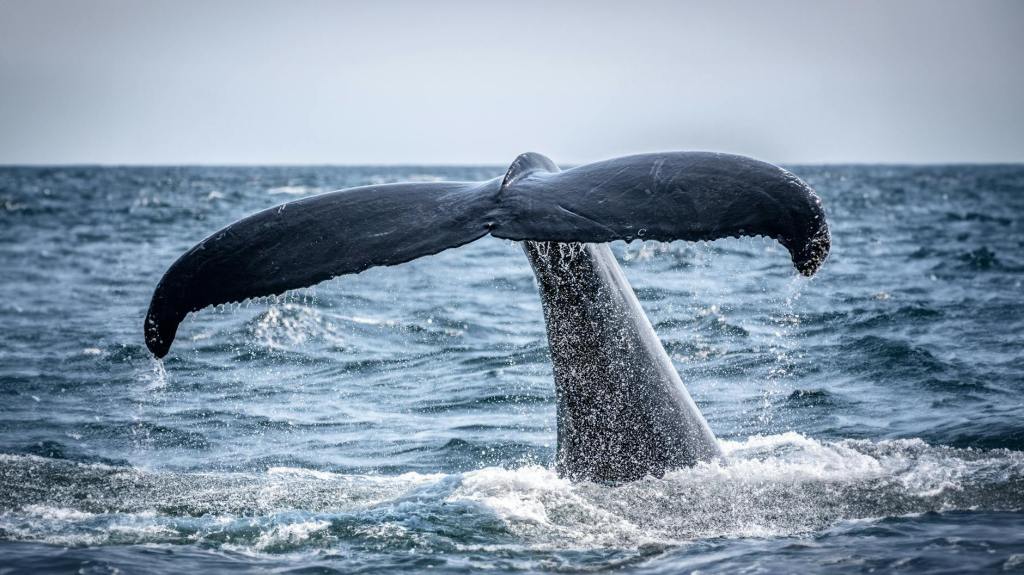
Among the most striking examples documented in the report are the disappearance of more than 10 billion snow crabs from the Bering Sea since 2018, the loss of approximately 7,000 humpback whales in the North Pacific due to heatwaves, and the massive die-off of nearly 4 million common murres along the west coast of North America between 2015 and 2016. These events, referred to as mass mortality events, are becoming increasingly common and are believed to be early indicators of broader ecological disruptions.
The report also notes a significant disparity in research efforts across animal groups, which hinders the ability to fully understand and address the scope of the problem. The underrepresentation of invertebrates in conservation assessments is particularly concerning, given their essential roles in ecosystems and their sheer numbers.
In response to these findings, scientists have called for urgent global action. Key recommendations include the establishment of an international database dedicated to tracking climate-related mass mortality events, prioritizing the assessment of currently understudied and vulnerable species, and integrating biodiversity protection into global climate policy frameworks.
There is growing concern that the world may be nearing ecological tipping points beyond which recovery becomes increasingly difficult, if not impossible. As global temperatures continue to rise, so too does the risk of accelerated extinction and irreversible damage to ecosystems.
The publication emphasizes that the path forward must involve immediate and decisive climate mitigation efforts. Delaying action will only exacerbate the threats faced by wildlife and increase the likelihood of widespread biodiversity loss.
The message is clear: rapid, science-based climate action is essential to protect the planet’s remaining wild species. Only through coordinated global efforts can the trajectory be altered and the looming biodiversity crisis be averted. As the climate continues to change, so too must humanity’s response—shifting from reactive measures to proactive strategies that safeguard life on Earth in all its forms.




 PARYAWARAN
Leave a comment