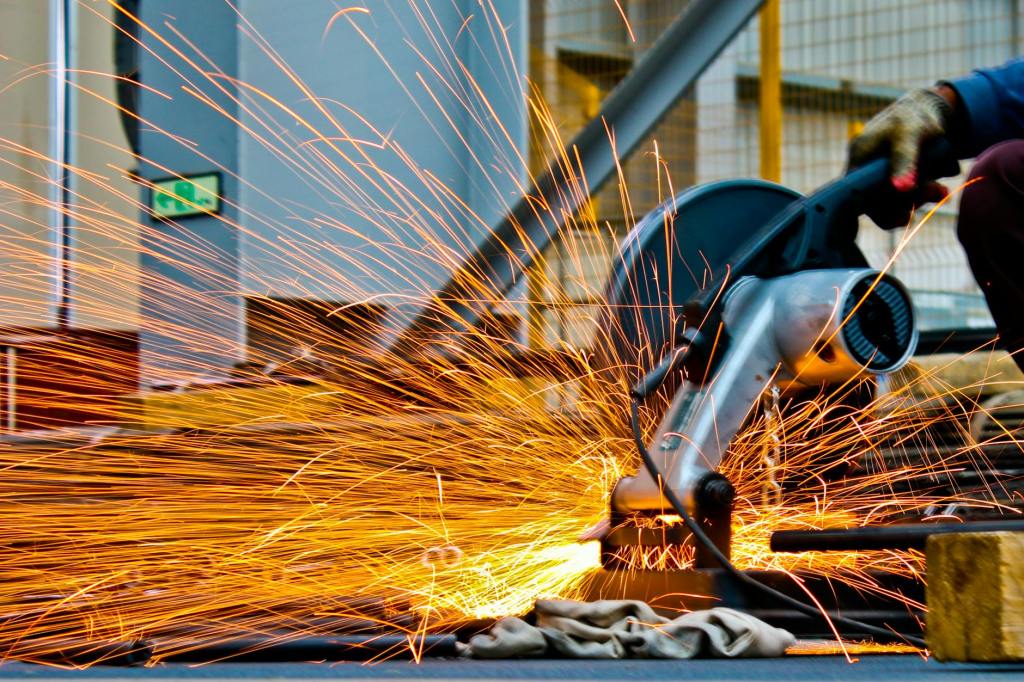
India’s ambitious plans to nearly double its steel production capacity by 2030 could spell disaster for global efforts to curb climate change, according to a new report by Global Energy Monitor (GEM). The country’s expansion, largely fueled by coal, risks derailing international decarbonization targets and could result in a dramatic surge in greenhouse gas emissions from one of the world’s most carbon-intensive industries.
Currently the second-largest steel producer globally, India is poised to increase its annual production capacity from 200 million tonnes to over 330 million tonnes within the next five years. However, more than half of this proposed new capacity is expected to rely on coal-based technologies such as blast furnaces and direct reduced iron (DRI) processes using coal, rather than greener alternatives like electric arc furnaces or hydrogen-based steelmaking.
According to GEM’s analysis, the country’s reliance on fossil fuels for this expansion could double the steel sector’s emissions by 2030, placing India’s own climate goals at risk. The report warns that without a significant shift toward cleaner technologies, India could lock in decades of high emissions at a time when the world is racing to decarbonize.
A Global Climate Tipping Point
Steelmaking accounts for roughly 9% of global carbon dioxide emissions, making it one of the dirtiest industrial processes worldwide. As international climate agreements push for deep cuts in emissions across sectors, the steel industry’s path to decarbonization is seen as crucial. India’s trajectory, therefore, carries outsized influence.
The implications of India’s choices go beyond carbon dioxide. Coal-based steel production emits a cocktail of pollutants, including sulfur dioxide, nitrogen oxides, mercury, and fine particulate matter. These pollutants have been linked to serious health issues, including respiratory diseases, cardiovascular problems, and premature deaths, especially in densely populated areas near steel plants.
Local ecosystems also bear the brunt of steel-related pollution. Coal mining and steel manufacturing can lead to water contamination, soil degradation, and biodiversity loss—environmental costs that are often overlooked in industrial planning.
Green Steel Solutions Available—But Underutilized
Despite the environmental risks, India has so far made limited investments in cleaner alternatives. Technologies like electric arc furnaces, which recycle scrap metal and run on electricity, offer significantly lower emissions compared to traditional methods. Hydrogen-based steelmaking, still in early stages globally, could also offer a path forward.
Yet these options are conspicuously absent from most of India’s proposed capacity expansions. Experts argue that the country has a narrow window to pivot.
Policy Gaps and Missed Opportunities
India’s national steel policy, which outlines its production goals, currently lacks strong climate commitments. While the government has pledged to reach net-zero emissions by 2070 and increase renewable energy capacity to 500 GW by 2030, there is no binding requirement for the steel industry to decarbonize at a similar pace.
Critics say this disconnect could undermine the credibility of India’s climate leadership on the world stage.
International Stakes
With the United States, European Union, and China already taking steps to reduce emissions in the steel sector—through carbon pricing, green procurement mandates, and investment in low-emission technologies—India’s path could determine whether the industry as a whole meets international climate milestones.
The GEM report calls on international partners and financial institutions to support India’s transition through technology sharing, concessional finance, and joint research initiatives. Without such intervention, the report warns, the global steel industry risks overshooting its carbon budget, jeopardizing efforts to limit global warming to 1.5°C.
India’s steel expansion is both a challenge and an opportunity. If the country shifts toward cleaner technologies, it could become a global leader in green industrialization. If it stays the course with coal, it may cement a future of locked-in emissions and environmental degradation. The world will be watching.



 PARYAWARAN
Leave a comment