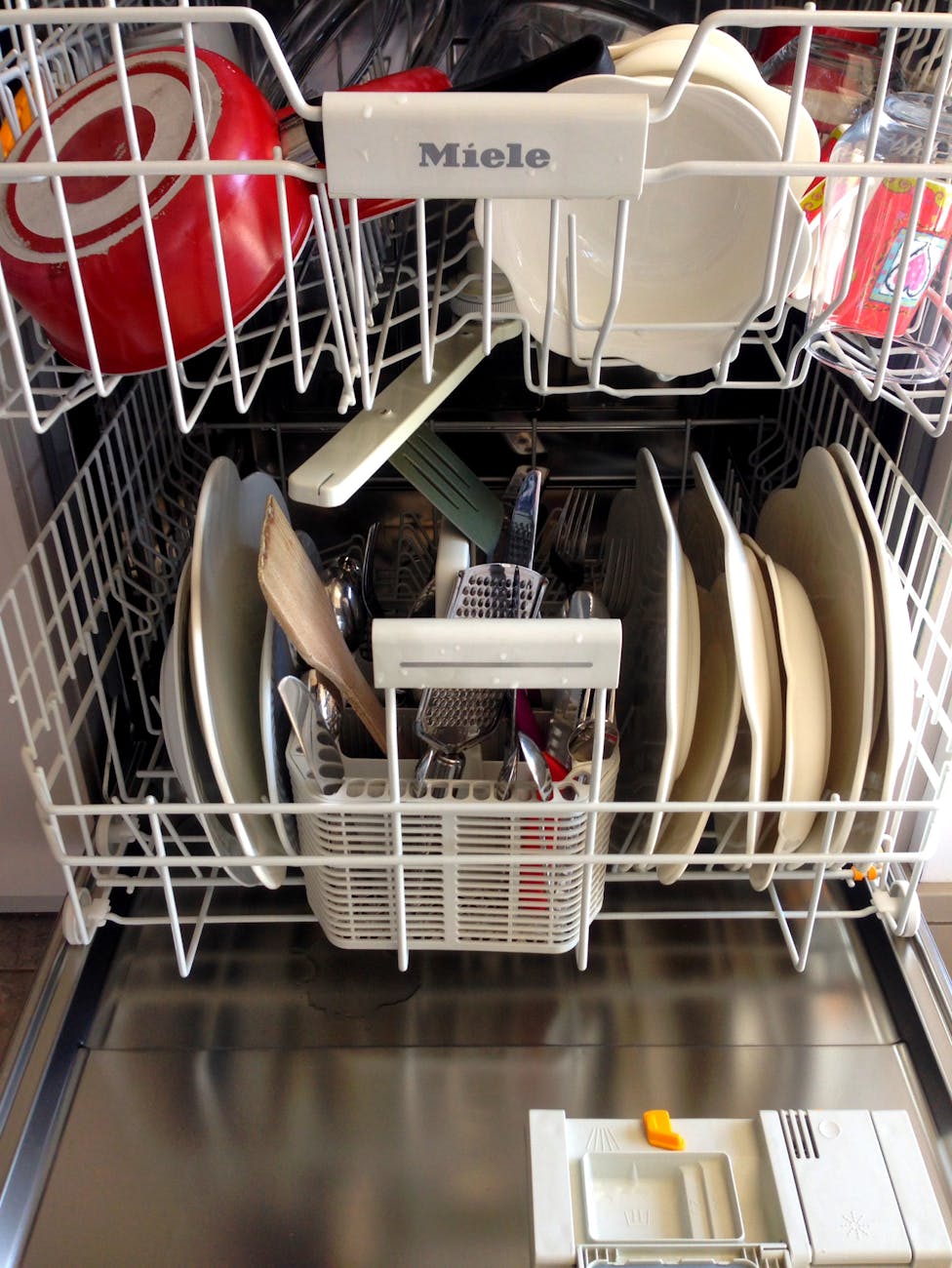
A new study has revealed a surprising source of plastic pollution hiding in plain sight: household dishwashers. According to research published in a leading environmental science journal, running plastic dishes through a standard dishwasher cycle can release up to 920,000 microplastic and nanoplastic particles into the wastewater system in just one load.
While these particles are minuscule—often invisible to the naked eye—their impact is anything but. As more households rely on plastic kitchenware for daily use, routine cleaning practices are becoming a significant source of microplastic pollution. The study highlights that even though each individual household may only contribute a tiny amount—roughly the mass of a quarter of a grain of rice per year—the cumulative effect from millions of homes adds up to a major environmental concern.
Microplastics and nanoplastics are known to persist in the environment, accumulating in rivers, lakes, and oceans. Many of these particles bypass wastewater treatment systems, which are not fully equipped to capture such tiny contaminants. While treatment facilities can filter out a substantial portion, a notable amount still escapes into natural water bodies, where it can harm aquatic organisms, degrade ecosystems, and potentially enter the food chain.
The issue is not just environmental. Nanoplastics, which are small enough to penetrate human cells, raise serious public health questions. Emerging research suggests they can accumulate in organs such as the liver and lungs, possibly leading to long-term health effects. With microplastics now being detected in places as remote as Arctic ice and as intimate as human blood, the scale of the problem is increasingly difficult to ignore.
Plastic kitchenware has become a staple in modern households due to its convenience, durability, and affordability. However, the study underscores a hidden cost of that convenience: each dishwasher cycle involving plastic items sends thousands of particles down the drain and into wastewater systems.
Experts are urging for greater awareness and small but meaningful changes at the household level. Using glass, metal, or ceramic containers instead of plastic ones, especially when cleaning in high-temperature settings like dishwashers, could significantly reduce microplastic shedding. Even hand-washing plastic items more gently may help.
There is also a growing call for innovation in household appliance design and wastewater treatment technologies to address the release and capture of plastic pollutants. However, researchers emphasize that prevention at the source is far more effective and economical than attempting to filter these particles once they are already in the environment.
As the world grapples with rising plastic production and its environmental consequences, even ordinary household habits are coming under scrutiny. The findings of this study serve as a reminder that small choices made daily in kitchens across the globe may have lasting impacts far beyond the home. Reducing microplastic pollution may begin with rethinking how we clean the dishes.




 PARYAWARAN
Leave a comment