Plastic pollution, long associated with oceans and marine life, is increasingly proving to be a silent but pervasive threat to terrestrial ecosystems. A growing body of research from the UK reveals that microplastics—tiny fragments shed from clothing, packaging, and agricultural materials—are infiltrating soil food webs, with concerning implications for wildlife, agriculture, and food security.
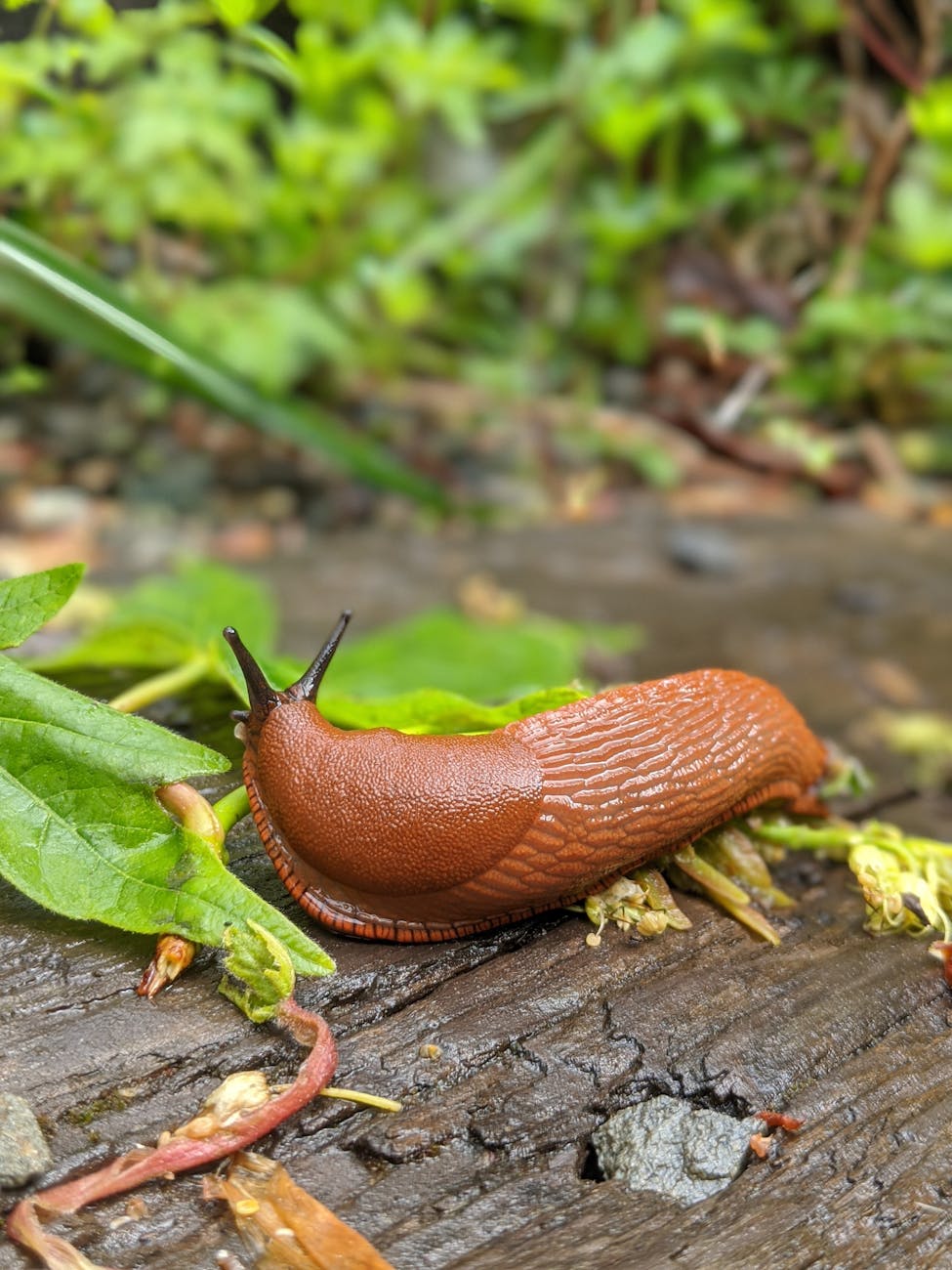
A recent UK-based study has shed light on the extent of microplastic contamination among soil-dwelling invertebrates and the animals that feed on them. Researchers analyzed over 500 invertebrates and found that 12% contained plastic particles. Earthworms, a critical component of healthy soil, showed the highest contamination rate at 29%, followed closely by snails and slugs at 24%. These creatures are not only vital to soil aeration and nutrient cycling but also serve as primary food sources for many birds and mammals.
The ripple effects of this contamination are already being observed. Nearly one in five wild hedgehogs in the study were found to have microplastics in their feces, strongly suggesting that they had ingested the particles indirectly by consuming contaminated invertebrates. Songbirds, too, are at risk, as they frequently prey on worms and insects in both wild and agricultural settings.
Scientists identified common plastic types in the samples, including polyester—often linked to synthetic clothing—and polymers used in farming, such as mulch films and netting. These plastics can fragment over time, becoming small enough to be ingested by soil organisms.
“This study is a wake-up call,” said one researcher involved in the project. “We tend to associate plastic waste with litter-strewn beaches or floating ocean garbage patches, but the reality is that land-based ecosystems are equally at risk, if not more so.”
Microplastics in the soil are particularly insidious because they are nearly invisible and difficult to remove. As they accumulate, they alter soil structure and chemistry, affecting the health of plants and the organisms that depend on them. Recent laboratory studies have even shown that microplastics can enter plant root cells, stunting growth and reducing crop yields—an alarming development in a world facing increasing food demand.
Moreover, animals higher up in the food chain, such as birds and small mammals, may experience reproductive and developmental issues after consuming prey contaminated with plastic. The physiological effects are still being studied, but early evidence suggests that microplastics can cause inflammation, disrupt hormone levels, and impair digestion.
The origin of this pollution is multifaceted. Runoff from roads and urban areas carries fibers from synthetic textiles and particles from tire wear. Agricultural lands receive plastic contamination from the widespread use of plastic-based tools, seed coatings, and mulching sheets. Once these materials degrade, they become nearly impossible to track or clean up.
Despite these alarming findings, the issue of terrestrial microplastic pollution remains under-researched and under-regulated. While public attention has focused largely on marine debris, experts argue that land-based ecosystems—which support agriculture and house the vast majority of Earth’s species—are facing a parallel crisis.
Environmental advocates are calling for more stringent controls on plastic use in agriculture and better waste management systems to prevent further contamination. There are also growing demands for increased research funding to fully understand how microplastics affect soil health, biodiversity, and long-term food production.
As plastic continues to find its way into even the most remote corners of the natural world, the need for comprehensive action becomes more urgent. What was once considered an ocean-bound issue is now clearly a land-based threat—one that is reshaping ecosystems from the ground up.




 PARYAWARAN
Leave a comment