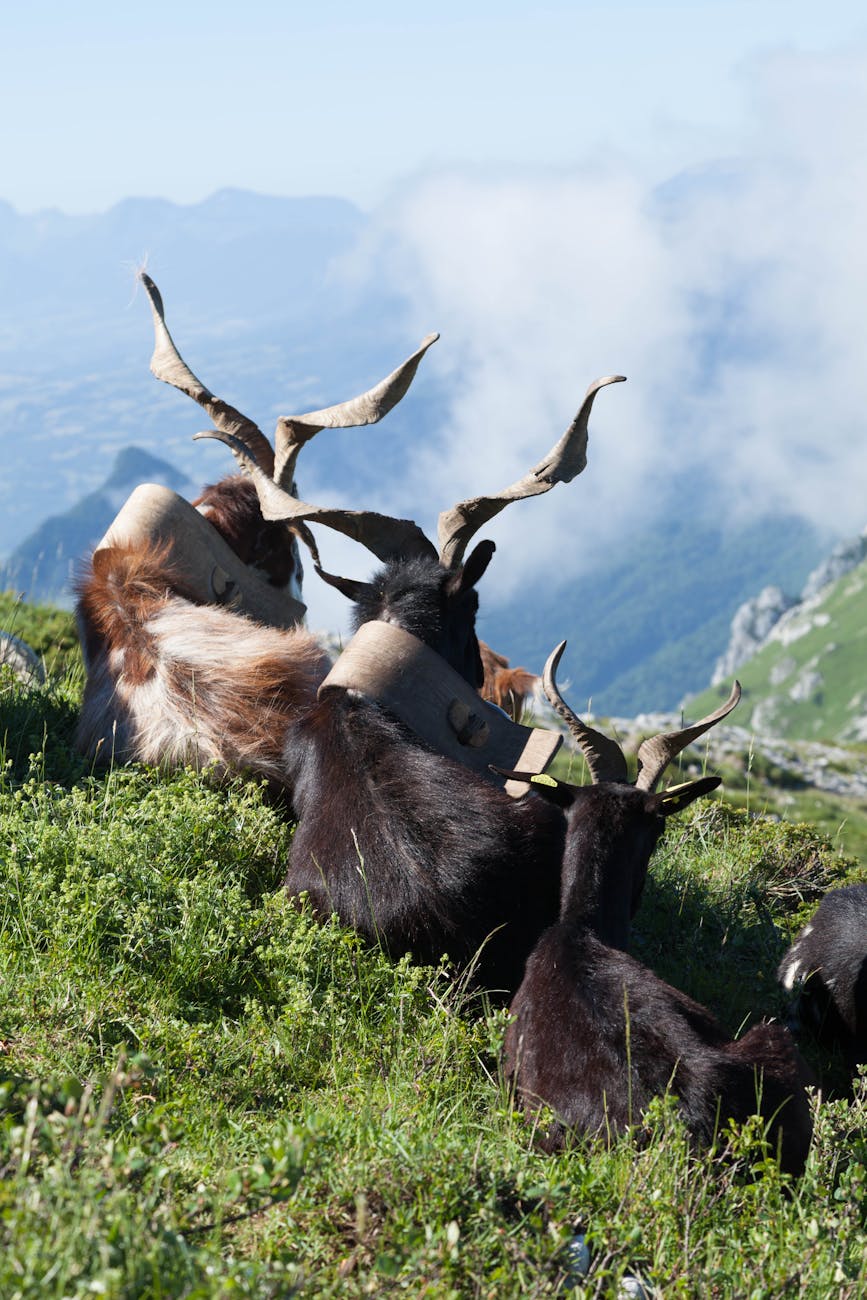
In the remote alpine zones of the Kashmir region, a disturbing ecological shift is unfolding. The Kashmir markhor, the world’s largest wild goat and an iconic symbol of the western Himalayas, is steadily losing its habitat to the growing encroachment of domestic livestock. A new scientific study has revealed that the increasing presence of sheep and goats during the crucial summer months is pushing this already-threatened species into lower, less suitable areas, endangering both its population and the delicate mountain ecosystems it helps sustain.
The Kashmir markhor typically migrates to higher elevations in May and June, a vital phase in its life cycle. These months coincide with birthing and the need for nutrient-rich alpine vegetation that supports both mothers and their newborn kids. However, this seasonal migration now overlaps with the arrival of large numbers of livestock brought by local herders seeking the same pasturelands. The result is direct competition for space and food at a time when the markhor is at its most vulnerable.
Research conducted in key markhor habitats has found that livestock outnumber wild goats by a staggering ratio of more than 30 to 1 during this critical period. This imbalance forces markhors into lower-altitude zones where food is scarcer and less nutritious. The displacement compromises the animals’ ability to rebuild body weight after giving birth and may jeopardize the survival of their offspring. In one heavily grazed valley, significantly fewer yearlings were observed compared to adult females — an indication that a growing number of young are not surviving their first year.
The consequences of this shift extend beyond the individual animals. Forced into suboptimal habitats, markhor populations may decline further due to malnutrition, weakened immunity, and increased exposure to predators. Over time, these pressures could reduce reproductive success and lead to long-term population decline. With only two viable markhor populations remaining in India — located in the Pir Panjal and Kazinag ranges — the situation has raised alarms among conservationists.
This trend does not just threaten the Kashmir markhor. Other hooved wildlife sharing the same alpine ecosystems face similar pressures, pointing toward a broader collapse in biodiversity. These regions, known for their ecological richness, are delicately balanced systems where each species plays a vital role. Disruption at one level — such as the removal or decline of a large grazer like the markhor — can ripple outward, affecting vegetation patterns, predator populations, and even water sources that millions rely on downstream.
Moreover, the loss of biodiversity could directly affect local communities who depend on healthy ecosystems for their livelihoods. Habitat degradation often leads to reduced water quality, soil erosion, and the decline of natural resources such as medicinal plants and forage grasses. Additionally, as wildlife populations fall, so too might the region’s appeal to eco-tourists, cutting off a potentially sustainable source of income for locals.
However, the new study also offers hope by highlighting actionable solutions. Researchers emphasize the importance of identifying and protecting key fawning sites — areas where markhor females give birth and rear young. By restricting livestock access to these zones during the summer months, it may be possible to reduce competition and allow markhor populations the space and resources they need to recover.
One promising strategy is rotational grazing, a land-use practice that has shown success in parts of India and Kenya. By rotating livestock between designated grazing areas, pressure on any one section of land is minimized, allowing vegetation to regenerate and wildlife to coexist more effectively. This method promotes a more sustainable model of land sharing that benefits both pastoral communities and conservation efforts.
Programs like the Kashmir Markhor Recovery Project, initiated in 2004, have previously demonstrated the positive impact of coordinated conservation strategies. These efforts helped stabilize markhor numbers by involving local communities in monitoring and protection, creating a sense of shared responsibility and stewardship over natural resources. Reinvigorating and expanding such programs could be key to reversing current trends.
Safeguarding the Kashmir markhor is not merely about saving a single species. These mountain goats play a critical ecological role in maintaining the health of high-altitude pastures. Their grazing helps control shrub growth, maintain open grasslands, and shape vegetation in ways that support biodiversity. In turn, these ecosystems act as water catchments and carbon sinks, delivering clean air and water to regions far beyond the mountains themselves.
The Himalayas, often referred to as the “Third Pole” due to their extensive ice reserves, are already under intense pressure from climate change. Habitat fragmentation, increasing human activity, and now, intensified livestock grazing, represent additional threats to this fragile environment. Taking steps to ensure the survival of species like the Kashmir markhor may be one of the most effective ways to bolster the resilience of these mountain ecosystems.
In the face of mounting ecological challenges, the fate of the Kashmir markhor may serve as a bellwether for the health of the broader Himalayan region. Protecting it will require careful regulation, cooperative land management, and the recognition that conservation and human livelihoods are not mutually exclusive, but deeply interconnected.



 PARYAWARAN
Leave a comment