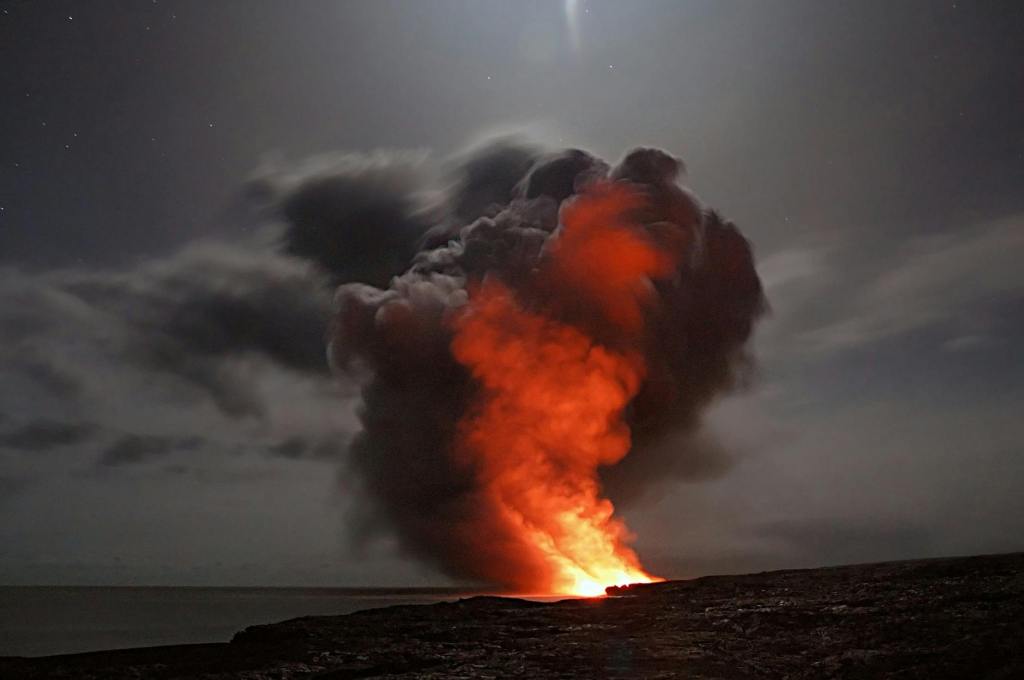
Recent airstrikes by the United States and Israel on key Iranian nuclear sites have raised alarms among scientists, international watchdogs, and environmental experts about the potential release of radioactive and toxic materials. The targeted sites — Fordo, Natanz, and Isfahan — are central to Iran’s uranium enrichment program, and while they do not contain active nuclear reactors, they house sensitive and hazardous materials that could pose serious health risks if compromised.
The International Atomic Energy Agency (IAEA), which oversees global nuclear safety and compliance, has expressed concern about the aftermath of the strikes. Although initial assessments show no detectable rise in radiation levels beyond the facilities, the agency is continuing to evaluate the sites for potential contamination. A previous Israeli strike on the Natanz facility had caused localized radioactive contamination, highlighting the real risks involved in attacking nuclear infrastructure.
Experts note that enriched uranium, while only mildly radioactive, can become a serious health hazard when dispersed in dust form through explosions or fire. Inhalation of uranium particles can lead to long-term respiratory and kidney issues, especially in communities close to the affected sites. Furthermore, the presence of volatile chemicals like uranium hexafluoride in enrichment facilities poses additional dangers. This substance becomes a highly corrosive acid when exposed to moisture, and accidental release during airstrikes could create clouds of toxic gas.
The IAEA has cautioned that strikes on such facilities could not only pose immediate health threats but also disrupt ongoing international monitoring efforts. These disruptions make it more difficult to verify compliance with nuclear agreements and increase the chances of miscommunication or escalation between nations. The agency emphasized that nuclear sites, even those without reactors, should not be treated as conventional military targets.
While the chances of a catastrophic event similar to Chernobyl or Fukushima are considered low — since the sites do not house high-level nuclear fuel or operational reactors — the danger lies in localized contamination and exposure. Residents, emergency responders, and clean-up crews could face significant risks if proper safety measures are not in place.
Environmental groups and regional health authorities are urging for swift and transparent assessments to ensure public safety. Air and soil testing near the impacted areas is ongoing, and there is growing international pressure for a diplomatic solution to prevent further military action targeting nuclear infrastructure.
Beyond health and environmental consequences, the strikes have increased geopolitical tensions in an already unstable region. Analysts warn that repeated attacks on nuclear facilities could provoke retaliation, hinder diplomatic negotiations on nuclear policy, and further destabilize relations between Iran and the West.
As the situation unfolds, global attention remains focused on the IAEA’s monitoring and on whether the current conflict could lead to a broader crisis involving nuclear safety. The airstrikes have reignited debate over the risks of military action involving nuclear assets, and whether the potential strategic gains outweigh the dangers posed to civilians and the environment.




 PARYAWARAN
Leave a comment