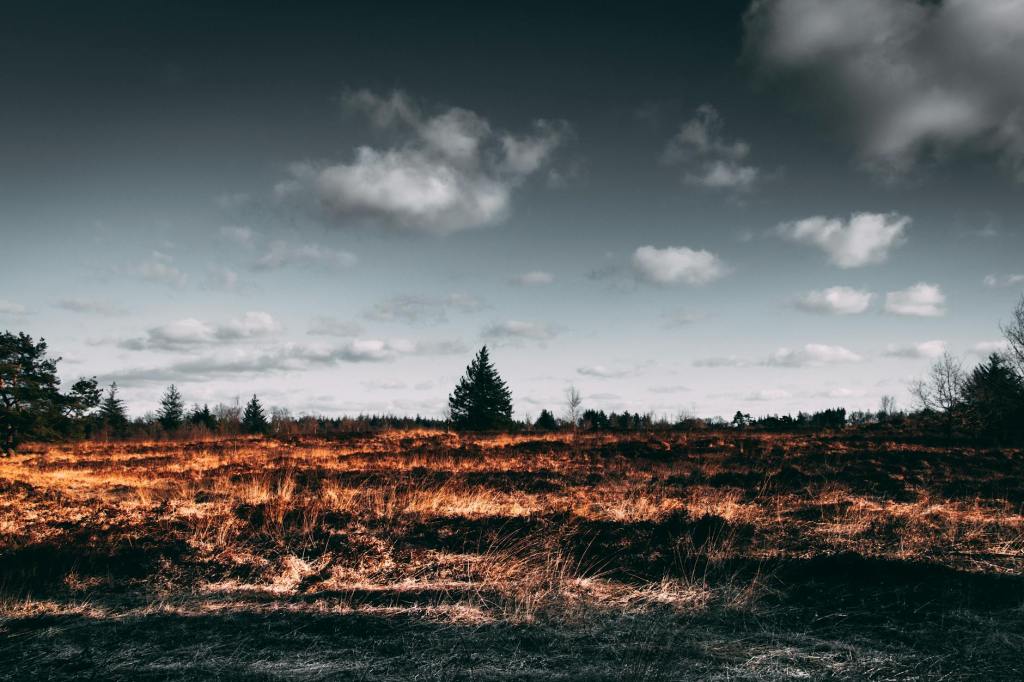
As wildfires become larger and more frequent across the western United States, their impact on drinking water supplies is emerging as a serious and long-lasting concern, according to a major new study published in Nature Communications Earth & Environment. The research reveals that the environmental effects of wildfires extend well beyond the burn zone and far past the last smoldering embers—posing a persistent risk to the water quality of rivers and reservoirs that serve millions of Americans.
The study analyzed decades of water quality data from 245 fire-affected watersheds across the western U.S. and compared them to nearly 300 unburned watersheds. By modeling natural water quality variations tied to rainfall and temperature, researchers isolated the specific impact of wildfires. The results paint a stark picture of long-term water pollution following fires.
In the first year after a wildfire, concentrations of sediment and turbidity in river water rose between 19 and 286 times above normal levels. This surge in particulate matter can clog filters at water treatment plants, driving up maintenance costs and sometimes rendering the water unusable. In extreme cases, communities have been forced to stop drawing from contaminated river sources altogether, leading to shortages.
More alarming is the chemical legacy left behind by fires. Levels of organic carbon, nitrogen, and phosphorus increased by up to 103 times in some basins. These dissolved compounds, originating from scorched vegetation and soil, can react with chlorine disinfectants to form harmful byproducts, including carcinogens.
While the worst contamination spikes typically occurred in the first one to three years post-fire, the study found that elevated levels of certain pollutants—particularly nitrogen and sediment—persisted for as long as eight years. These nutrients also act as fertilizers for algae, often triggering toxic algal blooms in reservoirs that complicate treatment efforts and affect water taste and safety.
The findings underscore how wildfires fundamentally transform landscapes, stripping away the vegetation that normally protects soil and filters water. The resulting barren terrain is prone to erosion, flushing ash and contaminants into rivers with every rainfall. Laboratory simulations support these conclusions, showing that burned soil leaches a potent mix of pollutants long after a fire is extinguished.
Real-world examples reinforce the scale of the problem. After Colorado’s Buffalo Creek and Hayman fires in the late 1990s and early 2000s, the local water utility spent more than \$27 million on sediment removal, water treatment upgrades, and reforestation efforts aimed at restoring the watershed’s natural filtration capabilities.
With nearly two-thirds of U.S. municipalities relying on forested watersheds for their drinking water, the growing frequency and intensity of wildfires present a mounting challenge for water treatment infrastructure. The study stresses that utilities must prepare not just for short-term contamination but for years of ongoing water quality degradation.
The location of a fire also plays a crucial role. Areas with dense forests or nearby urban development tend to produce more severe post-fire water quality issues. By identifying the most vulnerable watersheds in advance, communities can better safeguard critical parts of their water supply networks.
As climate change accelerates and more people move into fire-prone regions, the risks to drinking water will only grow. The research highlights an urgent need for long-term planning and investment in watershed protection. In an era where fire seasons are expanding and their aftermaths dragging on for years, ensuring clean and reliable drinking water will depend increasingly on how well communities prepare for the invisible legacy left behind by wildfire.


 PARYAWARAN
Leave a comment