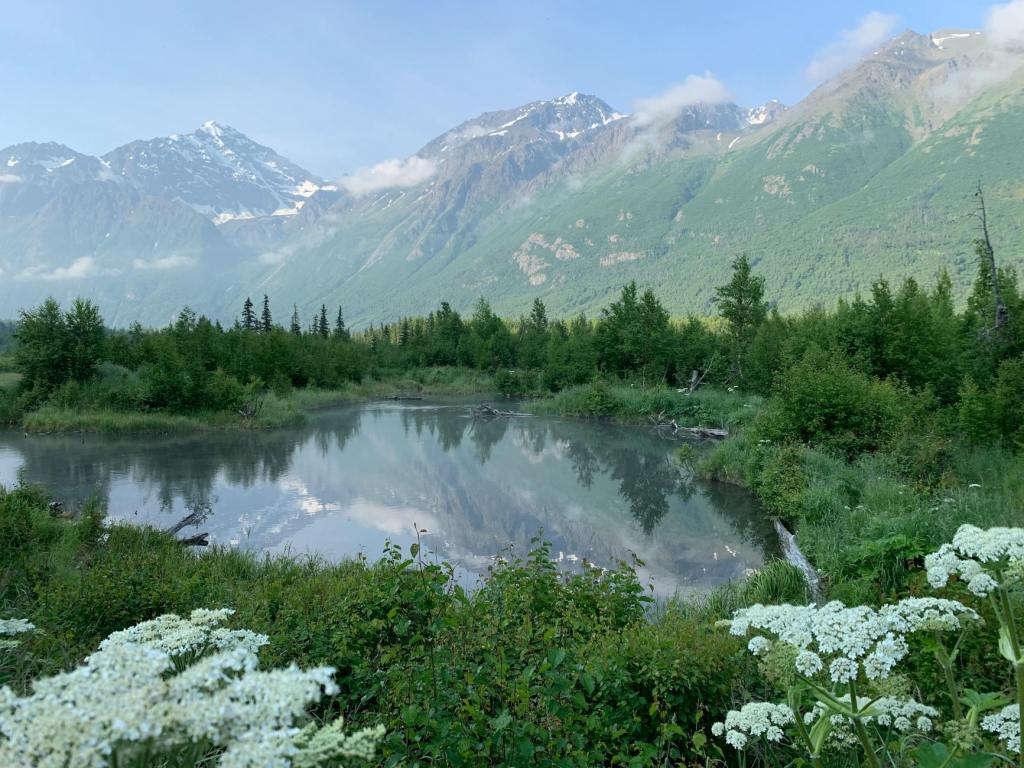
In a sweeping policy shift, the Trump administration has moved to open vast sections of Alaska’s National Petroleum Reserve (NPR-A) to oil and gas development, including areas that have been protected for decades due to their ecological importance. A newly released draft plan by the Bureau of Land Management (BLM) would allow oil leasing across over 18.5 million acres — approximately 82% of the entire reserve — reversing restrictions implemented under previous administrations.
The NPR-A, located on Alaska’s North Slope, spans nearly 23 million acres of remote Arctic tundra. It is one of the largest tracts of undeveloped public land in the United States and is home to diverse wildlife and Indigenous communities. The reserve contains critical habitats that support migratory birds, caribou herds, and a range of other Arctic species. Among the most sensitive areas now at risk is the region surrounding Teshekpuk Lake, a key ecological zone that serves as a nesting ground for waterfowl and a calving area for the Teshekpuk Caribou Herd.
The proposed expansion of oil leasing eliminates environmental safeguards that had previously preserved these fragile ecosystems. Protections around Teshekpuk Lake, the Colville River, and other ecologically rich zones would be rolled back, opening the door for oil drilling, infrastructure development, and increased human activity. Scientists and environmental groups have long emphasized the importance of these areas for maintaining biodiversity and supporting Arctic food webs.
The decision aligns with a broader effort by the Trump administration to prioritize domestic energy production and reduce federal regulations on the fossil fuel industry. The proposal follows a series of executive actions aimed at dismantling environmental rules enacted during the Biden presidency. In keeping with federal procedures, the draft plan has been released for a brief 14-day public comment period, after which it may be finalized.
Opening additional lands in the NPR-A to oil drilling is expected to have far-reaching consequences for Arctic ecosystems and the global climate. The region is warming at more than twice the global average, making it one of the most vulnerable areas on the planet to climate change. Infrastructure associated with oil exploration — including roads, pipelines, and drilling pads — could fragment wildlife habitats and disrupt migratory patterns. Moreover, the risk of oil spills in remote Arctic terrain presents significant challenges for containment and cleanup.
Beyond environmental implications, the policy shift poses risks to the traditional lifestyles of Indigenous communities who depend on the land for subsistence hunting and fishing. Caribou herds, waterfowl, and fish that inhabit the NPR-A form the foundation of cultural and nutritional practices for many Alaska Native peoples. Industrial development in these areas may further strain already vulnerable populations and increase tensions around land use and resource management.
While proponents of the plan argue that it could boost domestic oil production and create economic opportunities, critics warn that it represents a step backward in addressing climate change. By expanding fossil fuel extraction in sensitive Arctic regions, the policy could lock in decades of greenhouse gas emissions at a time when scientific consensus calls for a rapid transition to clean energy.
The National Petroleum Reserve was originally designated in the 1920s as a strategic energy reserve, but in recent decades, portions of it have been recognized for their ecological value. Prior administrations had adopted a more balanced approach, allowing limited development while setting aside critical habitats. The current proposal marks a dramatic departure from that strategy, signaling a renewed push to exploit Arctic energy resources despite environmental and cultural concerns.
As the public review period proceeds, the fate of some of the last intact Arctic ecosystems in the United States hangs in the balance. The final decision on the draft plan will likely shape the trajectory of both regional development and national climate policy for years to come.



 PARYAWARAN
Leave a comment