
Maharashtra has witnessed a disturbing surge in wildlife fatalities and human-animal conflicts in the first four months of 2025, with 22 tigers, 40 leopards, and 61 other wild animals reportedly killed due to various causes. Additionally, 21 people lost their lives in attacks by wild animals during the same period, according to data presented in the state Legislative Assembly.
Alarming Wildlife Deaths in Early 2025
Between January and April 2025, forest department records revealed that 22 tigers died across Maharashtra. Of these, 13 succumbed to natural causes, four were electrocuted, four were killed in road or rail accidents, and one died under unknown circumstances.
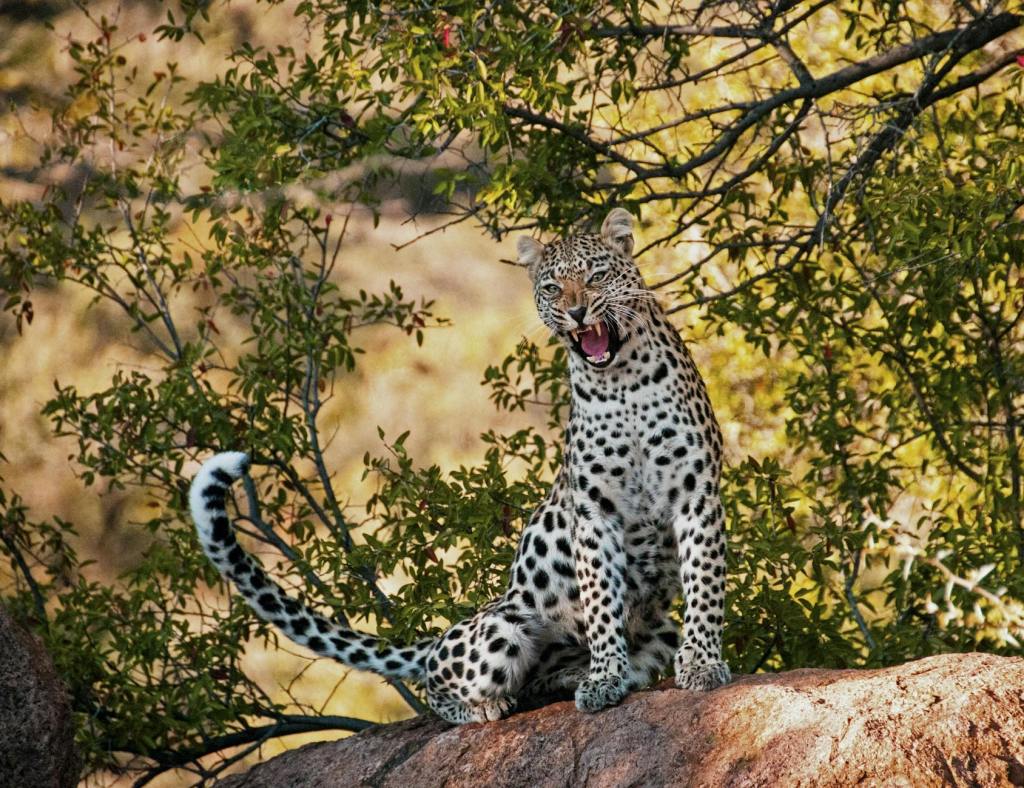
Leopard deaths were even higher, with 40 fatalities reported. Accidents—such as falling into open wells or being hit by vehicles—claimed 20 lives, while eight died naturally, three were hunted, and nine deaths remained unexplained.
Other wild animals, including deer, wild boars, and smaller mammals, also faced significant threats. A total of 61 such animals perished—23 from natural causes, four due to electrocution, four from hunting, and 24 in attacks by stray dogs or after falling into wells. Six deaths were attributed to unknown reasons.
Human Casualties in Wildlife Encounters
The human toll of these conflicts has also been severe, with 21 fatalities recorded between January and April. As forests shrink and wildlife habitats overlap with human settlements, encounters with tigers, leopards, and other animals have become increasingly common, leading to tragic outcomes.
Long-Term Trends: 707 Wild Animals Died in Three Years
The crisis is not new. From January 2022 to December 2024, Maharashtra lost 707 wild animals, including 107 tigers, due to poaching, accidents, and natural causes. The consistent rise in deaths highlights the urgent need for stronger conservation measures and conflict mitigation strategies.
Government Measures to Protect Wildlife and People
Authorities have introduced several initiatives to curb poaching and reduce human-wildlife conflicts. These include:
A 24/7 helpline (1926) for reporting forest crimes, including poaching and illegal encroachment.
Specialized squads monitoring sensitive forest areas to prevent illegal activities.
A network of informants who anonymously provide tips on poaching, enabling swift action.
Construction of high-rise watchtowers for better surveillance in vulnerable zones.
Additionally, the Maharashtra Compensation for Loss, Injury or Damage caused by Wild Animals Act, 2023, ensures timely financial aid for victims of wildlife attacks.
Conservation Success or Growing Challenge?
While the rising number of wildlife deaths is concerning, officials argue that it also reflects successful conservation efforts leading to increased animal populations. However, habitat fragmentation forces animals to venture into human-dominated landscapes, escalating conflicts.
To address this, the state has deployed Special Tiger Protection Forces, enhanced wireless surveillance, and established cyber monitoring cells in critical reserves like Melghat. Open wells, a major threat to leopards, are being covered or marked to prevent accidental deaths.
The Road Ahead
The data underscores a critical balance between conservation and coexistence. While Maharashtra’s forests remain a vital refuge for endangered species, the state must intensify efforts to safeguard both wildlife and communities. Strengthening forest corridors, improving accident prevention measures, and expanding compensation schemes could help mitigate future tragedies.
As human settlements expand and climate change alters habitats, the challenge will only grow. The coming years will test whether Maharashtra can protect its rich biodiversity while ensuring the safety of its people.



 PARYAWARAN
Leave a comment