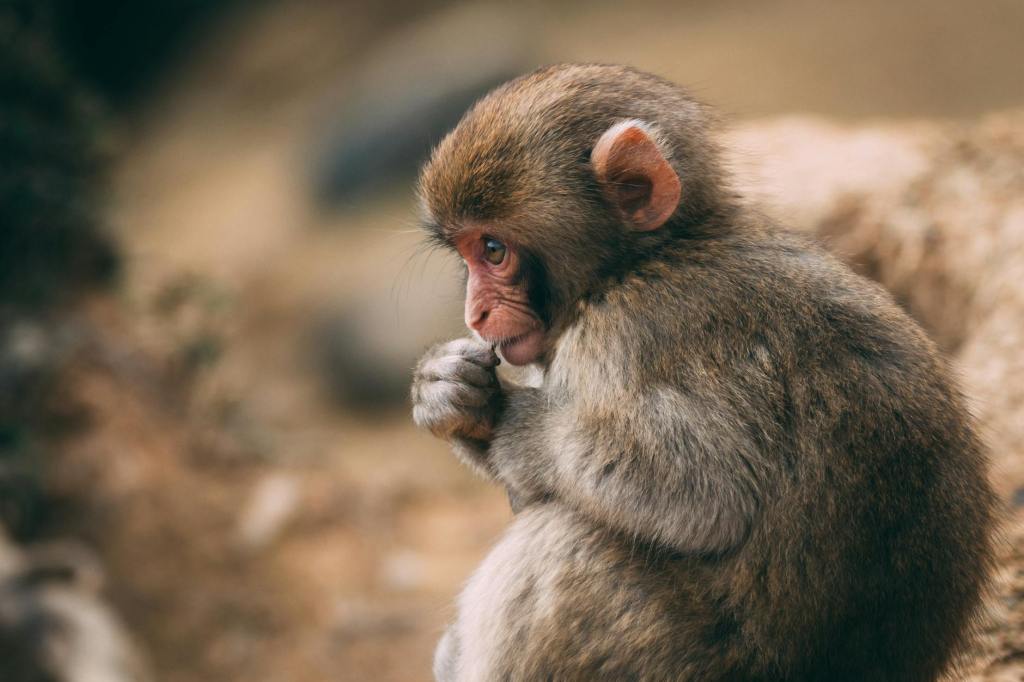
In 2013, Singapore faced a surge in human-wildlife conflicts when a third of the island’s monkey population—570 macaques—were culled following rising complaints from residents in Bukit Timah and MacRitchie. A decade later, the approach has shifted dramatically. In newer estates like Punggol, authorities have adopted a more humane strategy: sterilising most of the 50 monkeys trapped since 2023, with only a few aggressive ones euthanised.
This change reflects a broader evolution in Singapore’s wildlife management policies. Gone are the days when stray dogs and crows were routinely shot to control their numbers. Today, sterilisation, habitat modification, and non-lethal deterrents like sonar repellers are prioritised, with culling used only as a last resort.
A Shift from Reactive to Proactive Measures
Wildlife management in Singapore has moved beyond simply removing problematic animals. Authorities now focus on addressing root causes, using scientific research and community engagement to find sustainable solutions.
A key factor driving this shift is the recognition that human behaviour often exacerbates conflicts. Feeding wild animals, improper waste disposal, and urban encroachment into natural habitats have all contributed to rising tensions. By tackling these issues, authorities aim to reduce negative interactions without resorting to large-scale culling.
For instance, in the case of macaques, sterilisation helps control population growth while allowing the animals to remain in their social groups, minimising ecological disruption. Meanwhile, public education campaigns discourage feeding, which reduces monkeys’ reliance on human food sources and their tendency to venture into residential areas.
When Culling Remains Necessary
Despite the preference for non-lethal methods, culling is still employed in specific scenarios. These include cases where animal welfare is compromised, invasive species threaten native biodiversity, or public safety is at risk.
For example, invasive species like crows—which outcompete local birds and disrupt ecosystems—are managed through population control measures. Similarly, aggressive or injured animals that cannot be rehabilitated may be euthanised to prevent harm to humans or other wildlife.
However, such decisions are not taken lightly. Authorities emphasise exploring all feasible alternatives before resorting to culling. This balanced approach ensures that wildlife management remains ethical while safeguarding public interests.
Community Involvement and Scientific Solutions
Effective wildlife management now relies heavily on collaboration between experts and the public. Research into animal behaviour helps design targeted interventions, such as using noise deterrents to keep birds away from high-risk areas or modifying urban landscapes to reduce animal encounters.
Residents also play a crucial role. Reporting sightings, adhering to guidelines on food waste disposal, and refraining from feeding wildlife are small but impactful actions that help mitigate conflicts. Authorities have also introduced hotlines and outreach programmes to foster greater awareness and cooperation.
A Sustainable Path Forward
Singapore’s evolving strategies demonstrate a commitment to coexisting with wildlife in an increasingly urbanised environment. By prioritising science-based solutions and community engagement, the aim is to create a harmonious balance where both humans and animals can thrive.
While challenges remain—particularly as urban expansion continues—the shift from reactive culling to proactive, humane measures marks significant progress. The focus is no longer just on removing wildlife but on fostering a shared habitat where conflicts are minimised through understanding, innovation, and responsible stewardship.
As Singapore continues to refine its approach, its experience offers valuable lessons for other cities grappling with similar human-wildlife tensions. The journey from shooting to sterilising reflects not just a change in methods, but a deeper recognition of the need for sustainable, compassionate coexistence.



 PARYAWARAN
Leave a comment