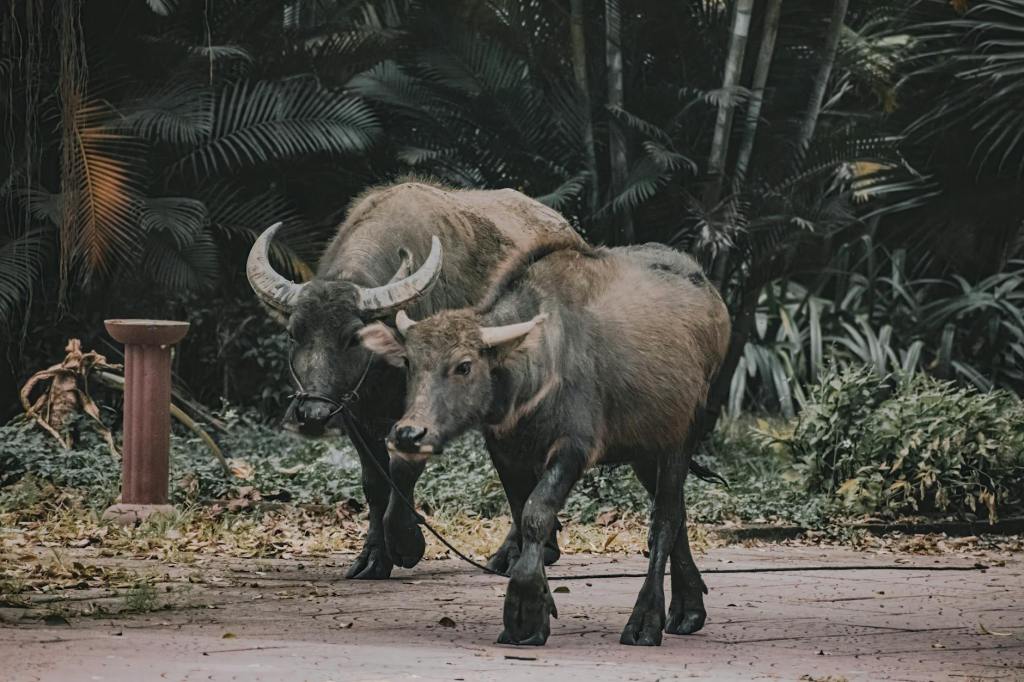
In an unexpected twist, a herd of feral water buffalo has made itself at home in the marshlands of Hong Kong’s Lantau Island. Contrary to the city’s image as a bustling metropolis of skyscrapers and urban life, these large bovines have become an integral part of the local ecosystem. A recent study has explored how residents feel about sharing their space with these unexpected neighbors, revealing a mix of admiration, concern, and curiosity.
A Growing Population
According to a 2022 survey conducted by the Agriculture, Fisheries and Conservation Department, there are approximately 180 feral water buffalo in Hong Kong—an increase of 20 since the last count in 2018. Most of these animals are concentrated in the southern wetlands of Lantau Island, where they roam freely, grazing and wallowing in the shallow waters. Their presence, while surprising to some, is a reminder of Hong Kong’s rural past, when water buffalo were commonly used in farming.
Public Sentiment: A Mixed Response
To better understand how the buffalo affect daily life, researchers conducted a survey gathering 657 responses from residents. The findings revealed diverse attitudes, which were grouped into four broad categories: appreciation or conditional acceptance, concerns about community impacts, recognition of conservation and educational value, and personal experiences shaped by frequent encounters.
Overall, most responses were neutral, followed by positive and then negative sentiments. When asked about their tolerance and appreciation of the buffalo, 61% of respondents expressed neutrality, 25% were highly positive, and 14% were highly negative.
Some residents view the buffalo as a cherished connection to Hong Kong’s agricultural heritage, enjoying their peaceful presence in the countryside. Others, however, worry about potential safety risks, environmental damage, or traffic disruptions caused by the animals wandering onto roads.
Demographic Influences on Opinions
The study also found that opinions varied depending on demographic factors such as age, gender, ethnicity, birthplace, and whether respondents lived on Lantau Island. Emotional responses were common in interviews, with many expressing fondness for the buffalo or neutral attitudes. A smaller portion voiced concerns, particularly regarding safety when encountering the large animals in unexpected places.
Balancing Coexistence and Conservation
The presence of water buffalo in Hong Kong highlights the challenges and opportunities of human-wildlife coexistence in urbanizing landscapes. While some residents embrace the buffalo as part of the local environment, others call for measures to manage their population and minimize conflicts.
Conservationists argue that the buffalo play a role in maintaining wetland ecosystems by grazing on invasive plants and creating habitats for other species. Their presence also offers educational value, providing opportunities for the public to learn about biodiversity and Hong Kong’s rural history.
However, ensuring harmony between humans and buffalo will require careful policy considerations. Strategies such as designated grazing areas, public awareness campaigns, and traffic safety measures could help mitigate conflicts while preserving the buffalo’s place in the region.
Looking Ahead
As Hong Kong continues to evolve, the water buffalo of Lantau Island serve as a living reminder of the city’s diverse landscapes—both urban and natural. The study underscores the importance of understanding public attitudes to shape policies that balance the needs of residents with wildlife conservation.
For now, the buffalo remain an enduring symbol of Hong Kong’s ecological and cultural richness, inviting both admiration and debate among those who share their home with these gentle giants.




 PARYAWARAN
Leave a comment