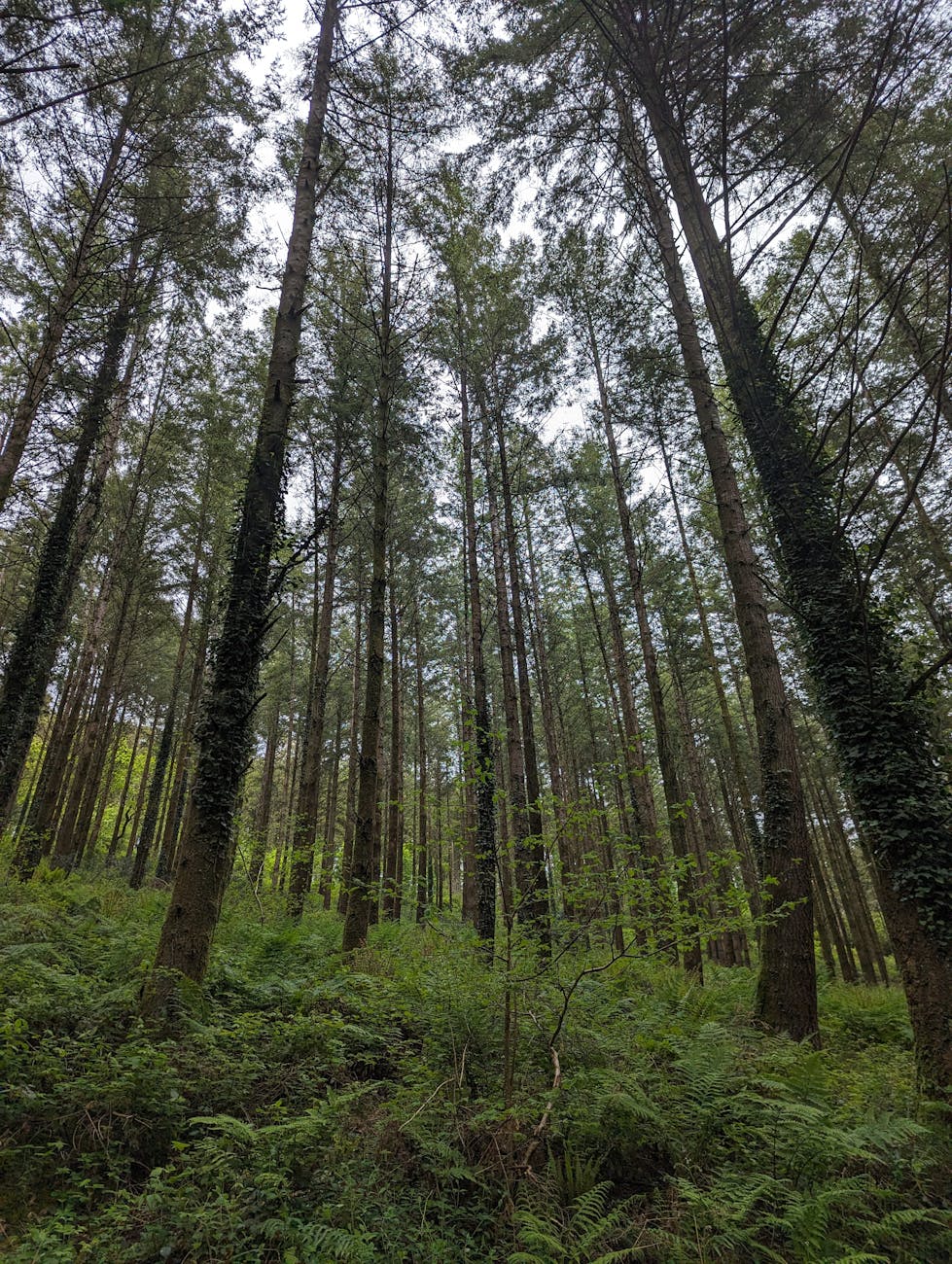
A new study has revealed promising evidence that ash trees may be evolving genetic resistance to the deadly ash dieback disease, offering hope for the survival of this crucial species across Europe. The research, conducted by scientists at Kew Gardens and Queen Mary University of London, suggests that subtle DNA changes in younger generations of ash trees could enable them to withstand the fungal infection that has devastated woodlands over the past decade.
Ash trees are a vital part of British forests, accounting for more than 150 million individual trees and representing over 12% of all deciduous trees in the country. However, since the arrival of the invasive Asian fungus Hymenoscyphus fraxineus, ash populations have suffered severe losses. Between 2015 and 2019 alone, an estimated 29% of ash trees died from the disease, and projections indicate that up to 85% of the UK’s ash trees could eventually succumb.
Despite these grim statistics, the latest findings indicate that natural selection may be helping ash trees adapt. Unlike the elm tree, which was nearly wiped out by Dutch elm disease, ash trees produce vast numbers of seeds, allowing for rapid evolutionary responses. A single mature ash tree can release up to 100,000 winged seeds, known as ‘helicopter seeds,’ every other year. This abundance provides a large pool of genetic diversity, increasing the chances that some seedlings will inherit traits that make them resistant to the fungus.
The study highlights that while natural selection is already at work, human intervention may still be necessary to ensure the species’ long-term survival. Researchers caution that the existing genetic variation in ash populations might not be sufficient to outpace the spread of the disease, especially as tree numbers decline. Slower natural selection rates could delay recovery, meaning conservation efforts such as selective breeding and protection from grazing animals may be required to bolster resistance.
Ash dieback was first detected in Europe around 30 years ago and reached Britain in 2012, likely introduced through imported trees or windborne spores. The disease manifests as dark lesions where branches meet the trunk, dead shoots, and wilting leaves. Its impact extends far beyond the trees themselves, as ash woodlands support an estimated 950 associated species, including lichens, insects, mammals, and birds. The loss of ash trees could disrupt entire ecosystems, with projected economic costs reaching £15 billion over a century due to diminished ecosystem services.
While the findings offer optimism, experts emphasize that the fight to save ash trees is far from over. Continued monitoring, conservation strategies, and research into resistant strains will be essential to ensure that ash woodlands endure for future generations. The study underscores the resilience of nature but also the need for proactive measures to safeguard one of Britain’s most ecologically and culturally significant trees.




 PARYAWARAN
Leave a comment