
The Standing Committee of the National Board for Wildlife (NBWL), chaired by Union Environment Minister Bhupender Yadav, has recommended the clearance of 32 defence infrastructure projects involving the diversion of land from protected areas and eco-sensitive zones in Arunachal Pradesh, Gujarat, Ladakh, and Sikkim.
The proposals, aimed at strengthening military infrastructure in strategically sensitive regions, include the construction of roads, helipads, artillery and missile bases, training grounds, and troop housing. Most of the projects are concentrated in Ladakh, particularly in the Karakoram (Nubra-Shayok) and Changthang Cold Desert Wildlife Sanctuaries — areas known for their ecological fragility and rare wildlife.
Key Projects by Region
In Arunachal Pradesh, the committee approved two major projects of the Border Roads Organisation (BRO) within the Dibang Wildlife Sanctuary:
- The 56-km Malinye–Balua–Kapuda road, which involves 111.29 hectares of forest land and 9.73 hectares from the sanctuary’s Eco-Sensitive Zone.
- The 20.88-km Kapuda–Phuphu road, requiring 44.13 hectares of forest land.
NBWL member R. Sukumar emphasized the need for animal passage structures along these routes to facilitate the movement of terrestrial and arboreal mammals and reptiles. The committee directed the implementing agencies to adhere strictly to mitigation plans submitted with the proposals.
In Gujarat, two projects were approved within the Narayan Sarovar Wildlife Sanctuary:
- A Border Out Post (BOP) link road involving 5.586 hectares.
- A helipad, living area, and training facility at Rodasar-Lakki over 19.83 hectares.
Ladakh saw the largest number of approvals, with over two dozen proposals cleared. These include:
- 33.4 hectares for an artillery regiment and field hospital at Bogdang.
- 47.6 hectares for a forward aviation base at Shyok.
- 25.1 hectares for Short Range Surface-to-Air Missile (SRSAM) housing.
- 31 hectares for an ammunition storage facility at Gapshan.
- 40.47 hectares for an Army regiment at Nidder.
Other proposals in the region include the construction of roads, helipads, veterinary facilities, and training areas. The NBWL specified that the legal status of the land shall remain unchanged, and that any future use beyond the approved purposes would require fresh clearance.
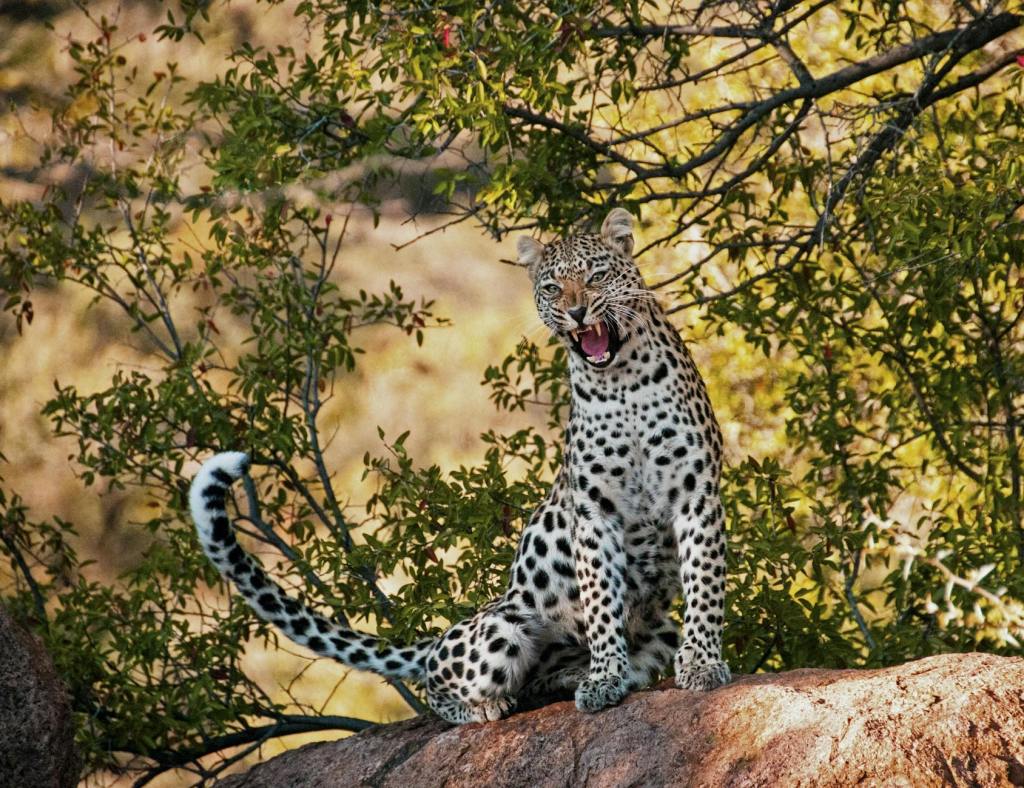
In one proposal involving road construction and a temporary bridge over the Indus River at Nyoma, the committee recommended a joint meeting with the Ministry of Defence to collaborate on the conservation of key species such as the snow leopard, Chiru (Tibetan antelope), and Great Indian Bustard, and to address concerns related to illegal wildlife trade.
The committee also noted that a reminder had been sent to the Ministry of Defence requesting the nomination of armed forces representatives to State Wildlife Boards, as required by law.
In Sikkim, the committee approved the use of 0.29 hectares of forest land from the Pangolakha Wildlife Sanctuary for the operation of a hot mix plant under the BRO’s Project Swastik in Gangtok district.
Conditions and Oversight
All project approvals were granted subject to strict conditions, including:
- Implementation of animal passage and wildlife mitigation plans.
- Restriction on construction timing and areas of operation.
- Preparation and enforcement of waste management protocols.
- Regular compliance reporting by user agencies.


 PARYAWARAN
Leave a comment