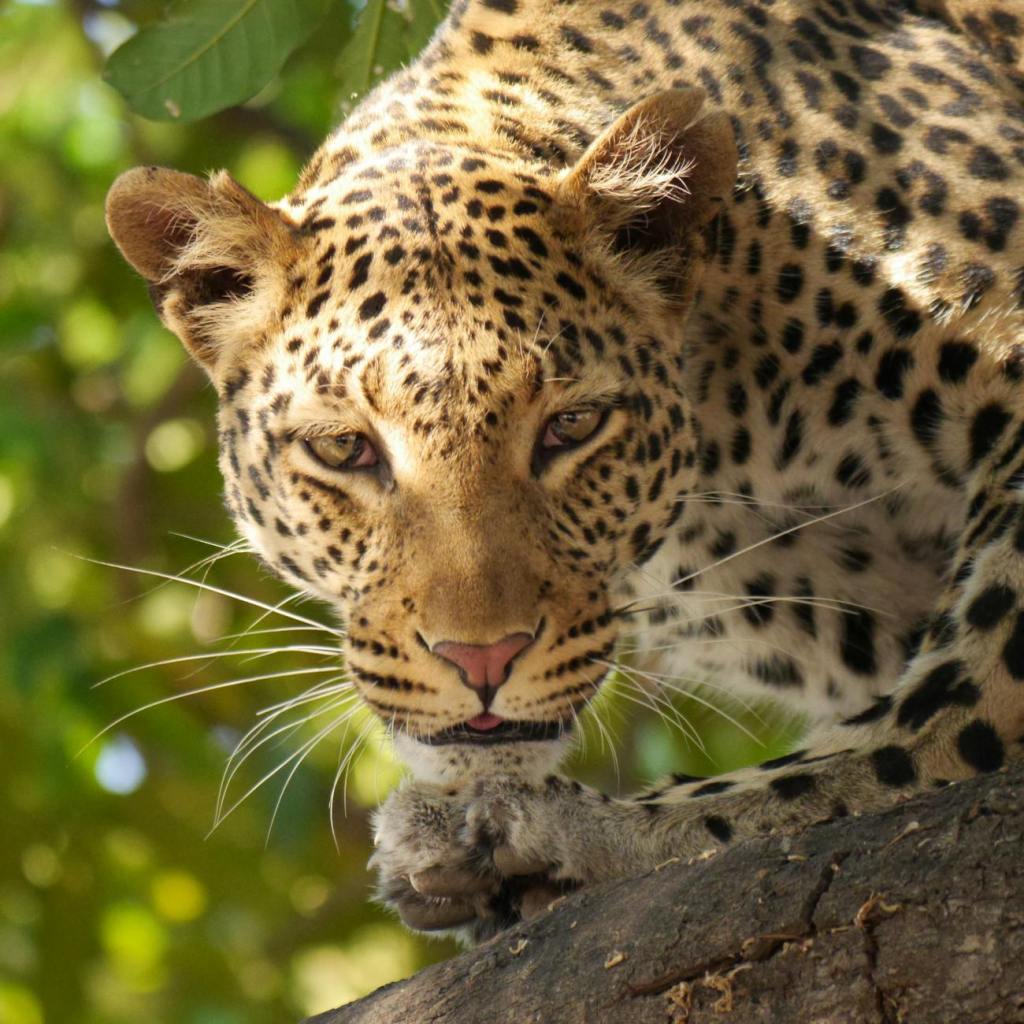
The Goa Forest Department has approached the Wildlife Institute of India (WII) to conduct a comprehensive study on wildlife presence outside protected areas in the state, aiming to address rising human-animal conflicts. The move comes after two leopard deaths were reported in April, highlighting the urgent need for mitigation measures.
Rising Conflicts Prompt Study Proposal
In a letter dated July 10, Naveen Kumar, Conservator of Forests (Wildlife and Eco-Tourism), Goa, requested the WII to assess wildlife movement in non-protected zones. The proposed study will map conflict-prone areas, identify vulnerable species, evaluate existing animal corridors, and suggest strategies to reduce clashes between humans and animals.
The decision follows two tragic incidents in April. On April 27, a female black panther was killed after being hit by a vehicle in the Priol-Ponda range. Just two days later, a two-year-old leopard, which had strayed into a house in Sanguem’s Villian village near the Netravali Wildlife Sanctuary, succumbed to internal injuries despite being rescued by forest officials.
Wildlife Thriving Beyond Protected Zones
Kumar’s letter emphasized that Goa’s extensive green cover supports wildlife even outside designated forest areas. “Due to high forest density across the state, wildlife is not restricted to recorded forest areas but is also present in adjacent landscapes, including human settlements,” the letter stated.
This proximity has led to increased conflicts, resulting in losses for both humans and animals. The forest department noted that unplanned development, road expansions, and habitat fragmentation have forced animals to venture into human-dominated areas, raising the risk of fatal encounters.
Objectives of the Proposed Study
The study aims to:
- Map Conflict Zones – Identify hotspots where human-wildlife interactions are frequent.
- Assess Animal Corridors – Evaluate existing wildlife passages and recommend measures to secure them.
- Create Species Vulnerability Maps – Highlight areas where specific animals, such as leopards or elephants, face higher risks.
- Propose Mitigation Strategies – Suggest measures like eco-friendly infrastructure, early warning systems, and community awareness programs.
Need for Long-Term Solutions
Experts argue that reactive measures, such as rescuing straying animals, are insufficient without addressing habitat preservation. “Wildlife corridors are crucial for safe animal movement. If these are disrupted, conflicts will only rise,” said a wildlife activist familiar with Goa’s ecology.
The WII, a premier institution for wildlife research, is expected to collaborate with local authorities to conduct field surveys, camera trapping, and community consultations. The findings could shape policies on land use, road design, and conservation efforts.
Goa’s Conservation Challenges
Goa, known for its biodiversity, has six wildlife sanctuaries and one national park. However, rapid urbanization and tourism pressure have encroached upon natural habitats. Leopards, wild boars, and snakes frequently enter residential areas, leading to panic and retaliatory actions.
The forest department has previously implemented awareness campaigns and rapid response teams, but systemic studies are needed for long-term solutions. “A scientific assessment will help us understand movement patterns and implement targeted interventions,” a senior official said.
Looking Ahead
If approved, the WII study could serve as a model for other states facing similar challenges. Conservationists hope the initiative will balance development with ecological sustainability, ensuring safer coexistence for both wildlife and communities.
As Goa awaits WII’s response, the recent leopard deaths serve as a grim reminder of the urgent need for action. The state’s lush forests, though a treasure, demand careful management to prevent further tragedies.



 PARYAWARAN
Leave a comment