In November 2024, heavy rainfall triggered deadly landslides in Uganda’s Mount Elgon region, killing at least 28 people and displacing hundreds. The disaster highlighted the growing dangers of deforestation and climate change, prompting local farmers to adopt sustainable farming techniques to protect their land and livelihoods.
A Vulnerable Landscape
Mount Elgon’s fertile slopes have long supported dense populations, but environmental degradation has left the land increasingly unstable. Years of deforestation, unsustainable farming, and rapid development have stripped the soil of its natural anchors, making the area prone to erosion. As climate change brings heavier and more unpredictable rainfall, landslides have become more frequent and destructive, threatening both lives and farmland.
For generations, smallholder farmers relied on slash-and-burn agriculture, clearing trees to grow annual crops like maize and beans. While this method provided short-term gains, it worsened soil erosion, reduced fertility, and heightened landslide risks. Following the 2024 disaster, many farmers began transitioning to agroforestry—a practice that integrates native trees with crops to stabilize the land and enhance resilience.
Sustainable Farming as a Defense
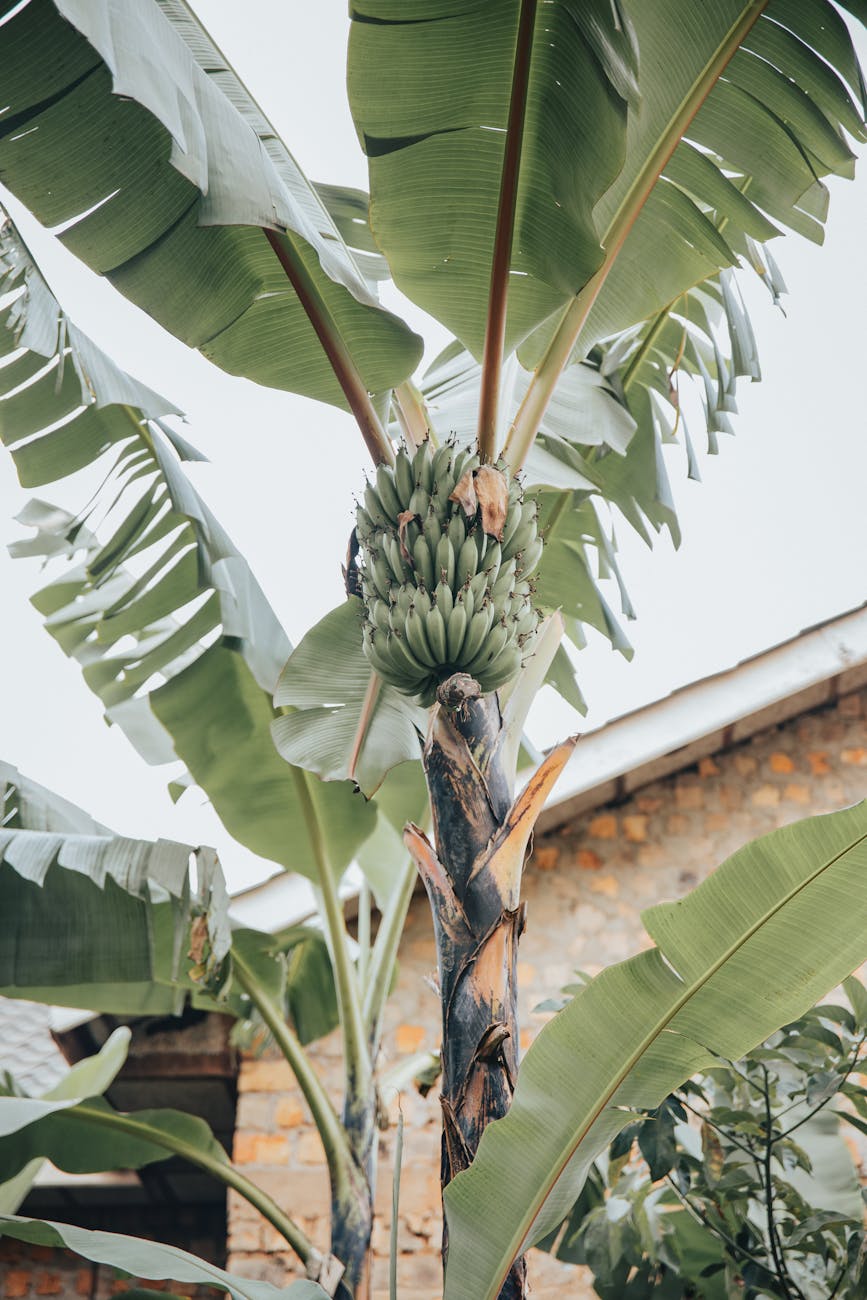
Agroforestry combines deep-rooted indigenous trees with perennial crops such as coffee and bananas, creating a more sustainable farming system. Unlike monocropping, this approach improves soil structure, prevents erosion, and increases water retention, reducing the likelihood of landslides. Additionally, the diversity of plant life supports healthier ecosystems and can boost crop yields over time.
Local organizations, supported by international partners, have introduced training programs to teach farmers these techniques. Many who once cleared trees for farmland now recognize the importance of maintaining vegetation to prevent disasters. Terracing, contour farming, and cover crops are also being promoted to further reduce erosion and improve land management.
Obstacles to Wider Adoption
Despite its benefits, agroforestry faces challenges. The initial investment in seedlings and the years-long wait for trees to mature can be a barrier for small-scale farmers. Selecting appropriate tree species is also critical—some non-native plants, such as eucalyptus, can exacerbate soil degradation by draining water.
Cultural resistance also plays a role, as some farmers hesitate to abandon traditional practices. Others worry that planting trees could lead to disputes over land boundaries. To address these concerns, community leaders and environmental groups are working to demonstrate how agroforestry aligns with long-standing Indigenous knowledge of sustainable land use.
A Model for Vulnerable Regions
The struggles of Mount Elgon reflect a global challenge, as mountainous regions worldwide face increasing threats from climate change. From the Himalayas to the Andes, deforestation and extreme weather are raising landslide risks for millions. Uganda’s shift toward agroforestry offers a potential solution, showing how sustainable practices can protect both people and ecosystems.
However, long-term success depends on continued funding, government policies, and community engagement. Without sustained effort, the progress made could be undone by economic pressures or further environmental changes.
As climate impacts intensify, Mount Elgon’s experience serves as both a cautionary tale and a source of hope. By blending traditional knowledge with modern techniques, Ugandan farmers are working to secure their land—and their future—against the growing threats of landslides and climate change.



 PARYAWARAN
Leave a comment