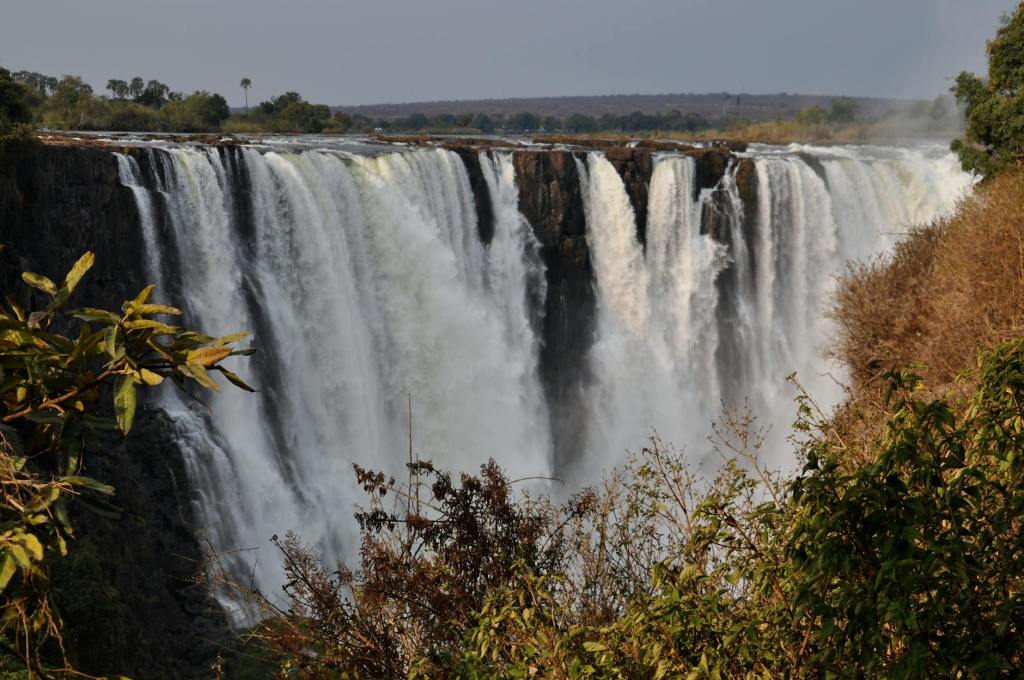
Against the majestic backdrop of Victoria Falls, representatives from 172 nations have gathered for a critical environmental summit. The 15th Conference of Parties to the Ramsar Convention on Wetlands (COP15) has drawn over 3,000 delegates to address what experts describe as one of the planet’s most pressing ecological crises.
Quantifying the Crisis
Recent findings presented at the conference reveal alarming trends:
- Global wetland areas have shrunk by 35% since 1970
- Wetlands are disappearing three times faster than forest ecosystems
- Current annual loss rate stands at 0.5% of remaining wetlands
- Projected economic impact could reach $39 trillion by 2050
High-Level Warnings
Zimbabwean President Emmerson Mnangagwa opened the proceedings with a stark message: “The continued degradation of these vital ecosystems represents both an ecological and economic emergency.” His remarks referenced data from the newly released Global Wetland Outlook 2025, which predicts potential loss of 20% of remaining wetlands within 25 years without intervention.
The report highlights wetlands’ disproportionate importance, noting they:
- Cover just 6% of Earth’s land surface
- Contribute over 7.5% of global GDP through ecosystem services
- Support 40% of all species at some point in their life cycles
Conference Priorities
Delegates are focusing on three key initiatives:
- Financial Mechanisms
- Establishment of a Global Wetland Restoration Fund
- Discussion of innovative financing models
- Policy Integration
- Development of the 2025-2034 Strategic Plan
- Proposals to embed wetland protection in climate policies
- The Victoria Falls Declaration
- Framework for international cooperation
- Science-based restoration targets
Leadership Transition
The conference marks Zimbabwe’s assumption of the Ramsar Convention presidency. Environment Minister Nqobizitha Mangaliso Ndlovu emphasized the country’s commitment: “As custodians of seven Ramsar Sites, including this host location, we understand both the challenges and opportunities of wetland conservation.”
Multifaceted Solutions Proposed
Technical sessions have highlighted several approaches:
- Advanced Monitoring: Satellite and AI-based tracking systems
- Community-Based Management: Indigenous knowledge integration
- Urban Planning: Revised development guidelines for wetland cities
Urgent Calls to Action
Wetlands International CEO Coenraad Krijger warned delegates: “Every hectare lost represents diminished flood protection, reduced carbon storage, and compromised water security. The economic arguments for preservation are as compelling as the ecological ones.”
Looking Ahead
As negotiations continue through July 31, observers note several critical developments:
- Strong support from small island and developing states
- Ongoing discussions regarding binding targets
- Private sector engagement in restoration initiatives
The outcomes of COP15 are expected to significantly influence global environmental policy frameworks, particularly in the lead-up to crucial 2030 biodiversity targets. With scientific consensus clear on the urgency of action, the international community faces a pivotal moment in ecosystem conservation.
The conference continues through July 31 with working groups addressing technical implementation measures and finalizing the Victoria Falls Declaration.




 PARYAWARAN
Leave a comment