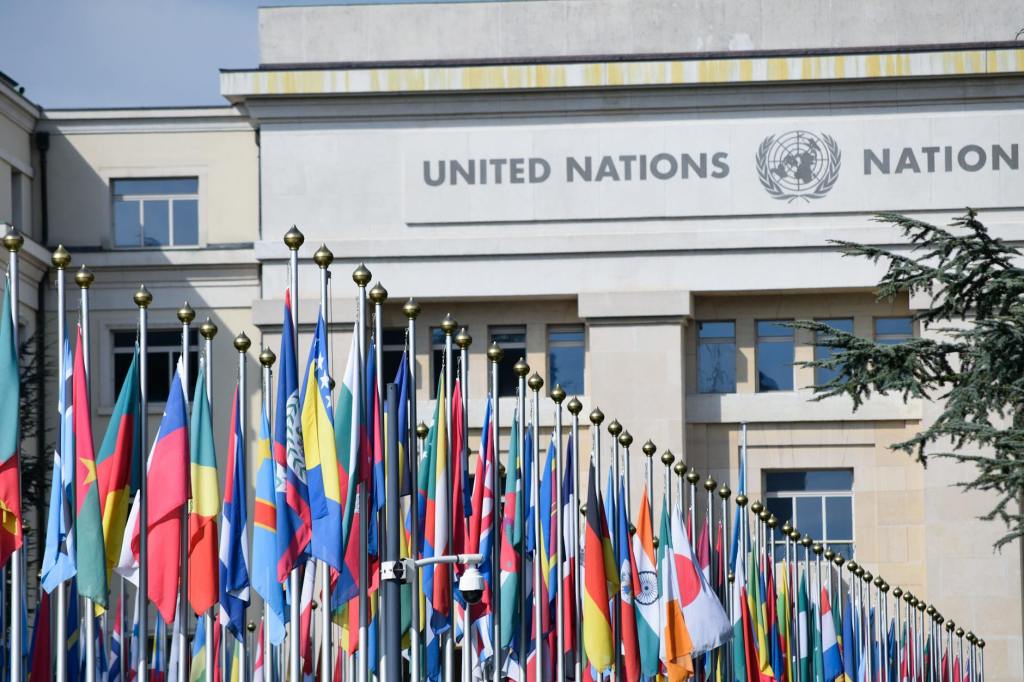
In a landmark decision, the International Court of Justice (ICJ) has declared that countries failing to take sufficient action on climate change may be committing an “internationally wrongful act,” opening the door to legal consequences and potential reparations. The ruling, hailed as a historic victory for climate-vulnerable nations, strengthens the legal framework for holding governments and major polluters accountable for their role in the climate crisis.
A Turning Point for Climate Justice
The ICJ, the United Nations’ highest court, issued an advisory opinion stating that a clean and healthy environment is a fundamental human right—a principle that could reshape climate litigation worldwide. The decision affirms that nations have binding obligations under international law to mitigate climate change and protect citizens from its worst effects.
Small island nations, which face existential threats from rising sea levels and extreme weather, spearheaded the effort to seek legal clarity on climate inaction. Their argument—that wealthy, high-emitting countries have a duty to prevent harm to vulnerable states—found resonance in the court’s ruling.
Legal Ramifications for Governments and Corporations
The ICJ’s opinion does not impose immediate penalties but establishes a legal precedent that could be used in lawsuits against governments and fossil fuel companies. Courts around the world may now interpret climate negligence as a violation of international law, paving the way for affected communities to demand stronger policies or financial compensation.
Recent years have seen a surge in climate-related lawsuits, with citizens, activists, and even children taking governments to court over inadequate climate policies. The ICJ’s ruling could bolster these cases, particularly in countries where courts have been hesitant to rule against national governments.
“Governments can no longer hide behind vague promises or delays,” said an international law expert. “This opinion makes it clear that inaction has legal consequences.”
Implications for Global Climate Negotiations
The decision arrives ahead of COP30, the UN climate summit set to take place in Brazil later this year, where nations will negotiate new emissions reduction targets. The ICJ’s stance could pressure wealthy nations to increase their climate finance commitments and accelerate fossil fuel phase-outs.
Developing countries, particularly those in the Global South, have long argued that industrialized nations—historically the largest emitters—should bear greater responsibility for climate mitigation and adaptation funding. The ICJ’s opinion lends weight to these demands, potentially shifting the dynamics of future climate talks.
A New Tool for Climate-Vulnerable Communities
Beyond interstate disputes, the ruling empowers individuals and advocacy groups to challenge weak climate policies in domestic courts. Lawyers representing climate activists say the opinion could be cited in cases ranging from air pollution lawsuits to challenges against new coal or oil projects.
“People are already suffering from heatwaves, floods, and displacement,” said a human rights lawyer. “This ruling gives them a stronger legal basis to demand protection.”
Will Governments Comply?
While the ICJ’s opinion is not legally binding, its moral and political weight is significant. Countries ignoring their climate obligations risk reputational damage and increased legal pressure. However, enforcement remains a challenge, particularly with major emitters like China and the U.S. historically resistant to external climate mandates.
Observers say the true test will be whether affected nations use the ruling to push for concrete policy changes—and whether courts worldwide adopt its principles in future rulings.
Conclusion: A Step Toward Accountability
The ICJ’s decision marks a pivotal shift in the fight against climate change, framing it as a legal and human rights issue rather than just a political one. For the first time, governments may face tangible legal risks for failing to act—a development that could accelerate global climate efforts.
As heatwaves, rising seas, and extreme weather intensify, the ruling offers hope that the law may finally catch up with the science. Whether it translates into real-world action, however, depends on how aggressively nations—and their courts—choose to enforce it.




 PARYAWARAN
Leave a comment