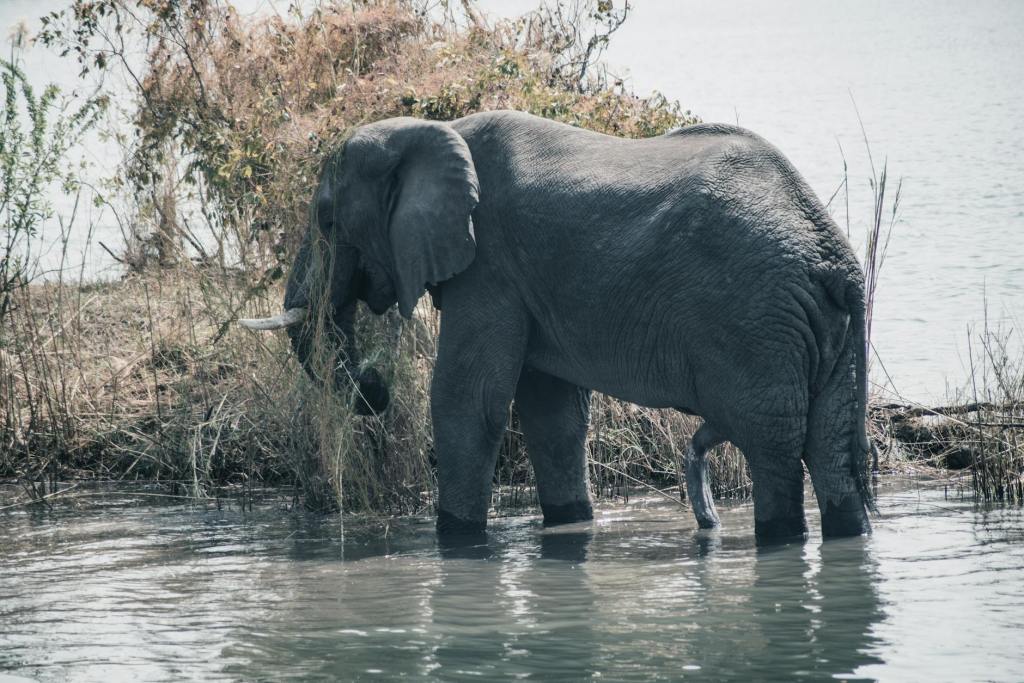
A new report launched during the 15th Meeting of the Conference of the Contracting Parties to the Ramsar Convention on Wetlands (COP15) has called on governments to acknowledge the vital role wild animals play in maintaining the health of Africa’s wetlands. Titled “Africa Special Report: Taking Animals into Account,” the study emphasizes the need to integrate animal-driven ecological processes into wetland restoration and management strategies.
Produced by the Global Rewilding Alliance (GRA) in collaboration with practitioner partners and supported by the International Fund for Animal Welfare (IFAW), the report highlights the alarming decline of wetlands and freshwater species. Since 1700, an estimated 3.4 million square kilometers of inland wetlands have been lost globally, while nearly one-third of freshwater fish species face extinction. The findings underscore the urgent need for conservation approaches that recognize the interconnected roles of wildlife in sustaining wetland ecosystems.
The report draws on scientific research and field experience to demonstrate how animals such as elephants, hippos, fish, manatees, and waterbirds actively shape wetland landscapes. Their activities—from seed dispersal and nutrient cycling to creating habitats—enhance biodiversity and improve ecosystem resilience. Ignoring these contributions, the authors argue, undermines restoration efforts.
Magnus Sylvén, Director of Science-Policy-Practice at GRA, stated that the report provides a critical resource for implementing the Ramsar Convention. “By recognizing the fundamental ecological role of wild animals—mammals, birds, fish, reptiles, and amphibians—we can better manage and restore the world’s wetlands,” he said. This, in turn, would amplify the ecosystem services wetlands provide, benefiting both wildlife and human communities.
James Isiche, IFAW’s Regional Director for Africa, highlighted the importance of wetlands in supporting species movement, particularly under initiatives like Room to Roam, which seeks to secure wildlife corridors for elephants and other migratory species. “Protecting and restoring these dynamic ecosystems is essential for climate resilience, biodiversity conservation, and ensuring a future where animals and people thrive together,” he said.
May Scott, Deputy Director of Communications at GRA, added that the report compiles scientific evidence showing how keystone species maintain wetland functionality. For instance, elephants create pathways that facilitate water flow, hippos redistribute nutrients through their waste, and fish help regulate aquatic vegetation.
As global leaders convene in Victoria Falls to shape the future of wetland conservation, the report serves as a clarion call: effective restoration must move beyond hydrology and vegetation to include the animals that sustain these ecosystems. By adopting a more holistic approach, policymakers and conservationists can ensure the long-term health of wetlands, safeguarding their ecological, economic, and cultural value for generations to come.




 PARYAWARAN
Leave a comment