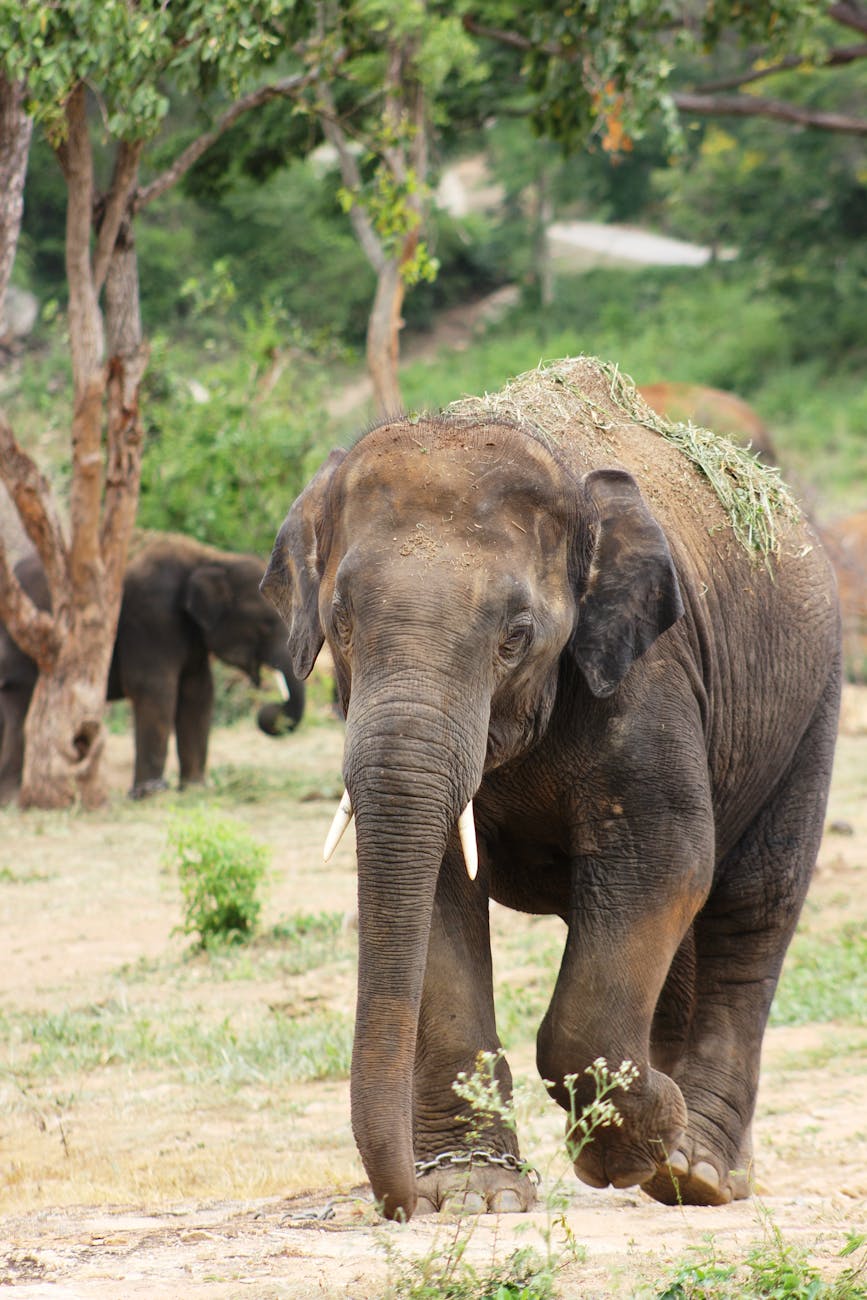
A solution intended to reduce human-elephant conflict has backfired, with solar-powered fences emerging as a silent killer for wildlife in Odisha. Initially promoted as a humane deterrent to keep elephants away from crops and settlements, these fences have electrocuted at least six elephants in just over a month, raising serious concerns about their misuse.
Most fatalities occurred in the Angul forest circle, which includes Dhenkanal and Satkosia wildlife divisions—a hotspot for human-elephant conflict. The first incident was reported on May 31 in Angul, where a farmer allegedly used direct current to charge the fence, killing an elephant instantly. Similar cases followed in June and July, with elephants dying after coming into contact with illegally modified fences.
The issue gained attention after a female elephant died in Sambalpur district on July 12, prompting a high-level probe. Investigations revealed that many farmers, unable to afford proper maintenance, bypass safety measures by connecting fences to high-power batteries or low-tension power lines, making them deadly.
A Conflict-Prone Zone
Angul is home to 37% of Odisha’s elephant population, with 779 elephants as per the 2024 census. However, expanding farmlands and orchards have intensified clashes between humans and wildlife. To protect their crops, farmers increasingly rely on solar fences, but improper use has turned them into lethal traps.
In some cases, poachers and villagers deliberately electrify fences to hunt wild boars, inadvertently endangering elephants. Despite regulations requiring users to submit undertakings vowing not to misuse the fences, compliance remains low. In Angul division, only about 500 of 800 users have submitted the necessary documents.
Monitoring Challenges
Forest officials face logistical hurdles in overseeing the 1,500+ solar fences installed across Angul and Dhenkanal. Limited manpower and the absence of legal authority to regulate these installations complicate enforcement. Experts argue that stronger policies and monitoring mechanisms are needed to prevent misuse.
Farmers’ Plight
Farmers cite inadequate compensation for crop damage as a key reason for resorting to electrified fences. While the state increased ex-gratia for human fatalities caused by wildlife, compensation for crop loss remains unchanged since 2023—Rs 20,000 per acre for paddy and Rs 25,000 for cash crops. Many argue this does not cover their losses, pushing them toward risky alternatives.
Additionally, poor-quality, non-ISI-certified equipment increases the risk of accidents. Without government support for maintenance, farmers often resort to unsafe modifications.
Calls for Stricter Measures
Wildlife experts emphasize the need for stringent enforcement of laws against illegal electrification. Regular night patrolling, harsher penalties, and better compensation for farmers are suggested to curb misuse. Some also recommend awareness campaigns to promote safe fencing practices.
Forest authorities have stepped up efforts, conducting joint patrols with power distribution companies and using voltage detectors to identify illegal hookings. Legal action is being taken against violators under wildlife and electricity laws.
Conclusion
While solar fences were introduced as a conflict-mitigation tool, their misuse has led to tragic consequences. Balancing wildlife conservation with farmers’ needs requires stricter regulations, better compensation, and sustained monitoring to ensure these barriers do not become death traps for elephants.




 PARYAWARAN
Leave a comment