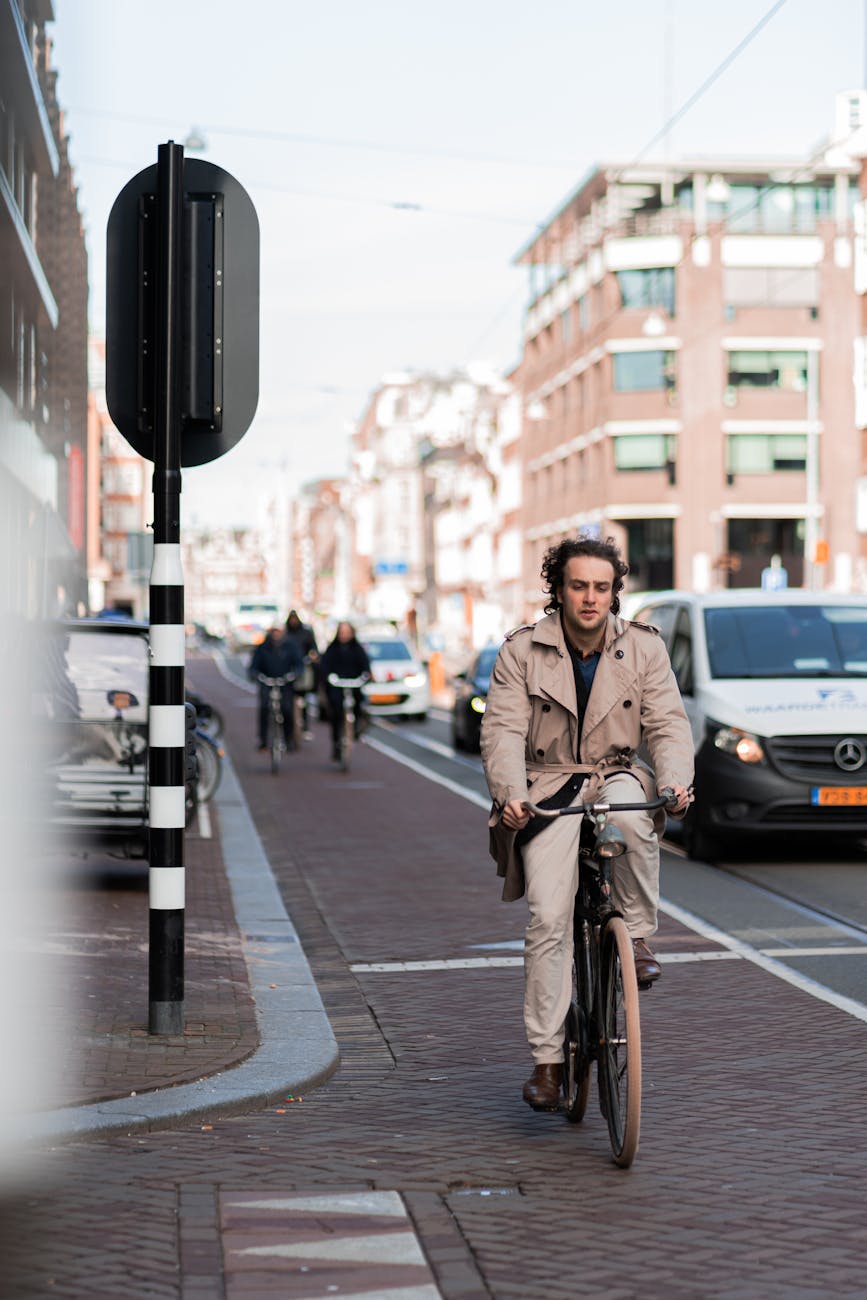
A contentious battle is unfolding in Toronto over the future of the city’s bike lanes, pitting cyclists against drivers in a legal and political struggle. At the heart of the conflict is a provincial law mandating the removal of 14 miles of protected bike lanes along three of Toronto’s busiest streets. The legislation, signed by Ontario Premier Doug Ford, cites worsening traffic congestion as the primary reason for eliminating the cycling infrastructure. However, a court has temporarily halted the plan as legal challenges proceed, leaving the fate of the lanes uncertain.
The debate has exposed deep divisions over urban transportation policy. On one side, cycling advocates and city officials argue that bike lanes enhance road safety, reduce carbon emissions, and promote healthier commuting alternatives. On the other, taxi drivers, some local residents, and business owners contend that the lanes exacerbate gridlock, take away valuable road space, and are rarely used during harsh winter months. The dispute reflects broader tensions in cities worldwide as governments attempt to balance car-dependent infrastructure with the growing demand for pedestrian- and cyclist-friendly streets.
The Legal and Political Standoff
Premier Ford’s government passed the law requiring the removal of the bike lanes, framing it as a necessary measure to ease traffic delays. The province also introduced liability protections shielding itself from lawsuits in case cyclists are injured on roads where bike lanes have been taken out. This provision has drawn sharp criticism from cycling activists and legal experts, who argue it prioritizes convenience over safety.
Toronto’s mayor has opposed the provincial decision, emphasizing that protected bike lanes align with the city’s climate goals and Vision Zero initiative, which aims to eliminate traffic fatalities. Data from cities with expanded cycling infrastructure often shows a reduction in accidents involving cyclists and pedestrians, supporting the argument that dedicated lanes improve overall road safety. However, opponents counter that Toronto’s roads were not designed to accommodate both high car traffic and bike lanes, leading to increased congestion and frustration among drivers.
Safety vs. Congestion: A Global Urban Dilemma
The conflict in Toronto mirrors similar debates in cities across North America and Europe, where urban planners are grappling with how to reduce carbon emissions while maintaining efficient transportation networks. Studies have shown that increasing cycling infrastructure can lead to lower greenhouse gas emissions and improved public health by encouraging physical activity. Yet, in car-centric cities, the removal of vehicle lanes to make space for bikes often sparks backlash, particularly from those who rely on cars for work or mobility reasons.
Critics of bike lanes argue that their benefits are overstated, pointing to seasonal underuse and the economic impact of slower traffic flow. Delivery drivers, taxi operators, and ride-share services often report lost income due to increased travel times in areas where bike lanes reduce road capacity. Meanwhile, cycling advocates highlight that well-designed bike networks can actually improve traffic flow over time by reducing the number of cars on the road.
The Future of Urban Cycling Infrastructure
The outcome of Toronto’s legal battle could set a precedent for how cities handle similar disputes in the future. If the province succeeds in removing the bike lanes, it may embolden other jurisdictions to roll back cycling infrastructure in favor of car traffic. Conversely, if the court rules in favor of keeping the lanes, it could reinforce the argument that urban planning must prioritize long-term climate and safety goals over short-term congestion concerns.
The debate also raises questions about equity in transportation. While cycling is often touted as an affordable and eco-friendly alternative, not all residents can rely on bikes due to physical limitations, long commutes, or harsh weather conditions. Finding a balance that accommodates both drivers and cyclists remains a key challenge for policymakers.
As cities worldwide push toward greener transportation systems, the Toronto case underscores the complexities of reshaping urban landscapes. The decision to keep or remove bike lanes will not only affect daily commutes but also signal how governments weigh competing priorities—climate action, road safety, and economic efficiency—in the evolving discourse on sustainable cities.
For now, the bike lanes remain in place as the legal process unfolds, leaving drivers and cyclists in a tense standoff over who truly belongs on Toronto’s roads.




 PARYAWARAN
Leave a comment