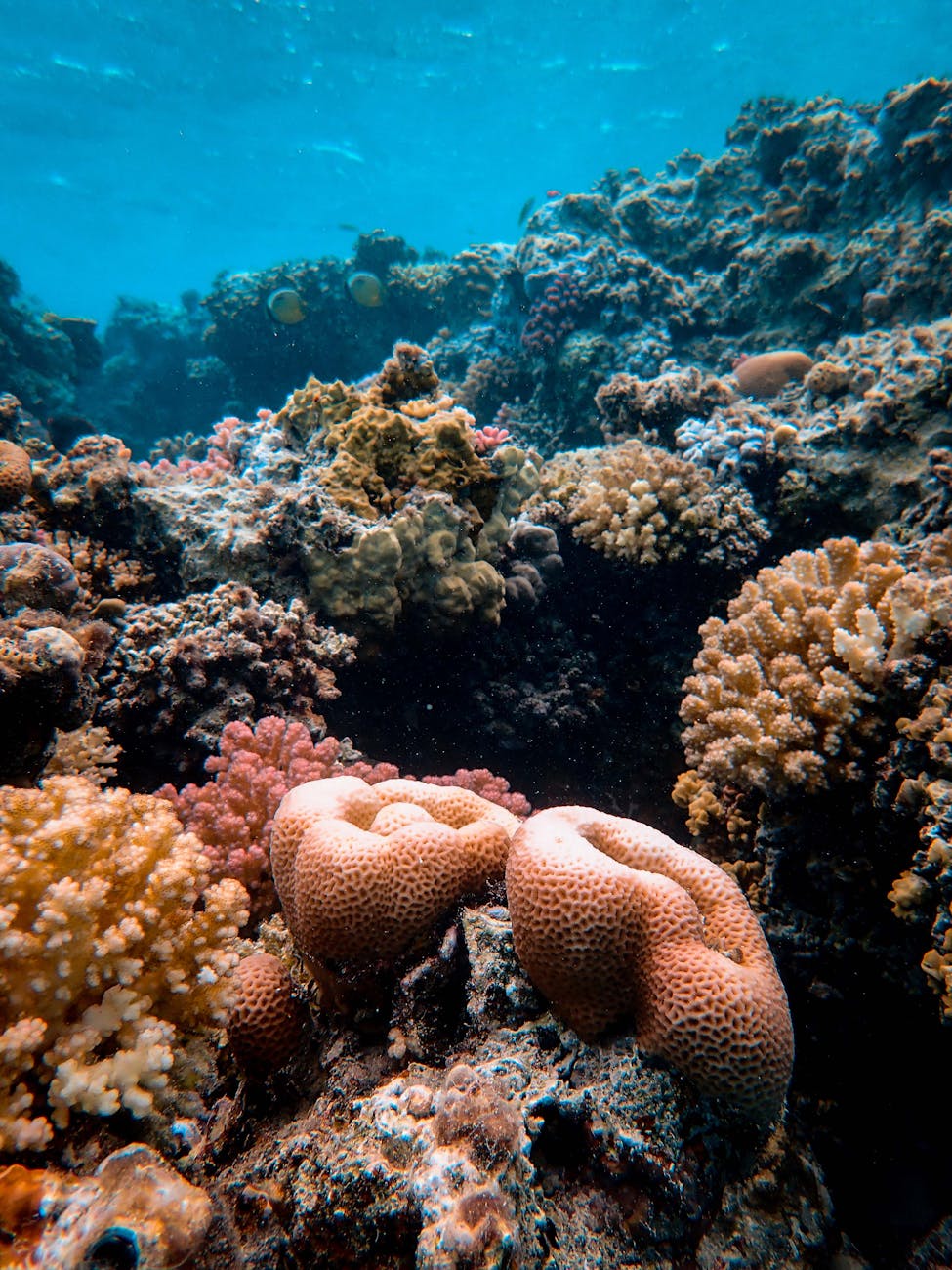
The Great Barrier Reef has undergone its largest single-year loss of coral in nearly four decades, according to a new report from the Australian Institute of Marine Science (AIMS). The 2025 Long-Term Monitoring Program revealed that up to one-third of the reef’s coral was lost over the past year, reversing several years of recovery since 2017.
This dramatic decline was driven by a severe marine heatwave in early 2024, which caused widespread coral bleaching across the reef’s northern, central, and southern regions. The report found that overall live coral cover across the 2,300-kilometer system dropped by 14%, leaving only 33% of the reef with healthy coral.
This marks the most significant annual decline recorded in the program’s 39-year history. While recent years had seen promising coral growth, the intensity of the bleaching event overwhelmed the reef’s capacity to regenerate.
The findings are part of a broader global coral bleaching crisis, with over 84% of the world’s coral reefs affected by bleaching since January 2023. Bleaching occurs when prolonged heat stress forces corals to expel the symbiotic algae they rely on for energy, turning them pale and making them more susceptible to disease and death.
The Great Barrier Reef, one of the planet’s most diverse and economically important marine ecosystems, has now endured five mass bleaching events since 2016. Although it has shown the ability to recover between events, the increasing frequency and severity of marine heatwaves are making sustained recovery more difficult.
Despite the recent decline, coral cover across the reef remains close to its long-term average, thanks to significant growth periods between 2020 and 2023. However, scientists caution that this does not reflect a stable trend, as ongoing warming events are eroding the reef’s resilience.
The consequences of coral loss extend far beyond environmental degradation. Coral reefs are critical to marine biodiversity, supporting roughly a quarter of all marine species. They also underpin coastal economies by supporting fisheries, tourism, and natural shoreline protection. The Great Barrier Reef alone contributes billions of dollars to Australia’s economy and supports tens of thousands of jobs.
This widespread coral decline highlights the vulnerability of even well-managed ecosystems in the face of global climate pressures. Local conservation efforts, such as reducing pollution and controlling invasive species, remain essential, but they are not enough on their own. Experts emphasize that only substantial reductions in greenhouse gas emissions will offer a long-term solution for protecting coral reefs.
The report concludes with a call for continued investment in reef monitoring, restoration, and adaptation efforts. However, the ultimate fate of the Great Barrier Reef — and coral reefs worldwide — depends on the global response to climate change and the ability to limit future warming.
As the planet enters a new era of extreme marine heat, the health of coral reefs is increasingly seen as a key indicator of how the Earth is responding to the climate crisis.




 PARYAWARAN
Leave a comment