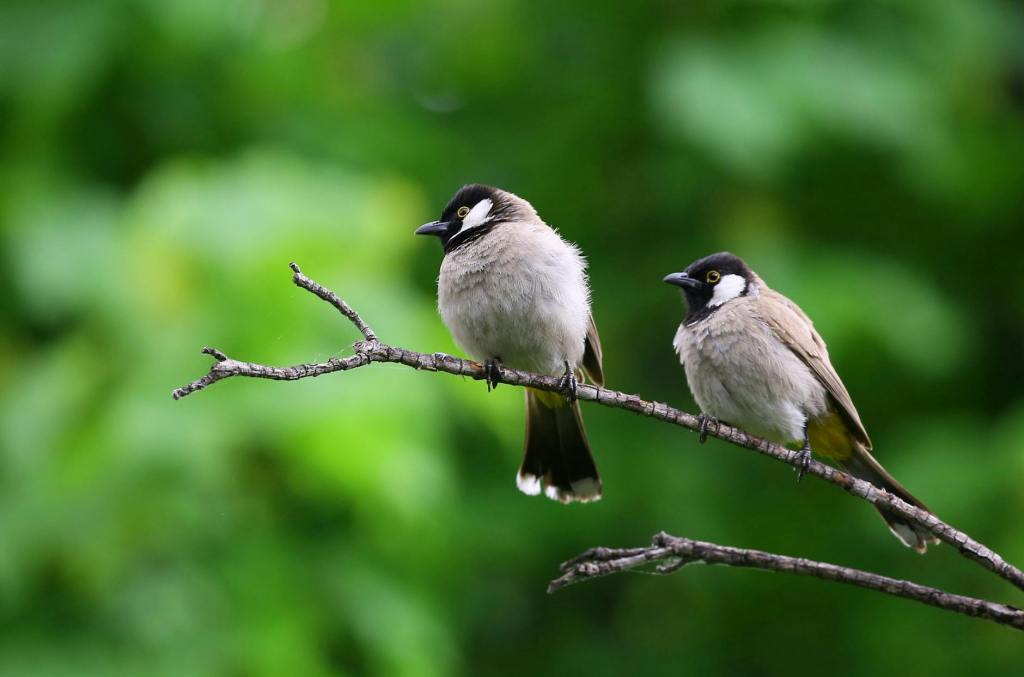
A major global study led by researchers from the University of Queensland and the Barcelona Supercomputing Centre has revealed a sharp and sustained decline in tropical bird populations, linking the drop to extreme heat driven by climate change. Spanning 70 years and tracking over 3,000 bird species, the research found that tropical bird abundance has fallen by 25% to 38% since 1950.
The study points to prolonged heatwaves as a major driver of this decline, especially in dry tropical regions such as northern Australia. These areas are experiencing increasing temperatures, more frequent heat extremes, reduced water availability, and heightened fire activity — a deadly combination for many bird species.
Smaller birds, including endangered species like the Carpentaria grasswren, have proven especially vulnerable. These birds must feed frequently due to their high metabolic rates, but intense daytime heat restricts their ability to forage. Their inability to shelter effectively from high temperatures leaves them exposed to fatal conditions, particularly during extended heatwaves.
Researchers from the University of Queensland and the Barcelona Supercomputing Centre highlighted the fact that tropical birds have evolved in highly stable climates. As a result, they are poorly adapted to sudden shifts in temperature and rainfall. Unlike species in more variable temperate regions, many tropical birds lack the physiological or behavioral flexibility needed to cope with rapid environmental changes.
These changes are pushing many birds past their thermal limits. Altered rainfall patterns are reducing the availability of food and water, leading to declining reproductive success and increasing mortality. The result is a widespread contraction in population size and range, with some species now at serious risk of extinction.
Beyond the impact on individual species, the decline of tropical birds has broader ecological consequences. Birds are critical to healthy ecosystems — they pollinate plants, disperse seeds, and regulate insect populations. A loss in bird diversity threatens the balance and resilience of these systems. As ecosystems degrade, the services they provide to humans — such as food production, cultural identity, and pest control — also come under threat.
In northern Australia, the situation is particularly acute. Tropical savannas in the region are facing compounded pressures: hotter and drier conditions, more frequent fires, and habitat fragmentation. Fire regimes are changing due to both climate and human activity, with more intense and frequent blazes altering vegetation and making habitats unsuitable for many specialist species.
The researchers warn that these stressors are feeding into one another, creating a feedback loop that accelerates ecosystem decline. As birds disappear, ecosystems become more fragile and less able to support remaining wildlife. This in turn increases vulnerability to further heat stress, fire damage, and species invasions.
The findings highlight the urgency of addressing climate change as a key factor in biodiversity loss. Conservation strategies must go beyond protecting habitat — they need to include climate adaptation planning, fire and invasive species management, and broader efforts to curb global warming.
If these trends continue unchecked, many tropical bird species could face extinction in the coming decades. Protecting them will be critical not only for preserving biodiversity but also for sustaining the ecological integrity of tropical regions around the world.
As climate change accelerates, the fate of tropical birds serves as a warning. These once-abundant species are now on the frontline of environmental disruption, and their decline reflects a deeper crisis in the world’s most biodiverse and fragile ecosystems.




 PARYAWARAN
Leave a comment