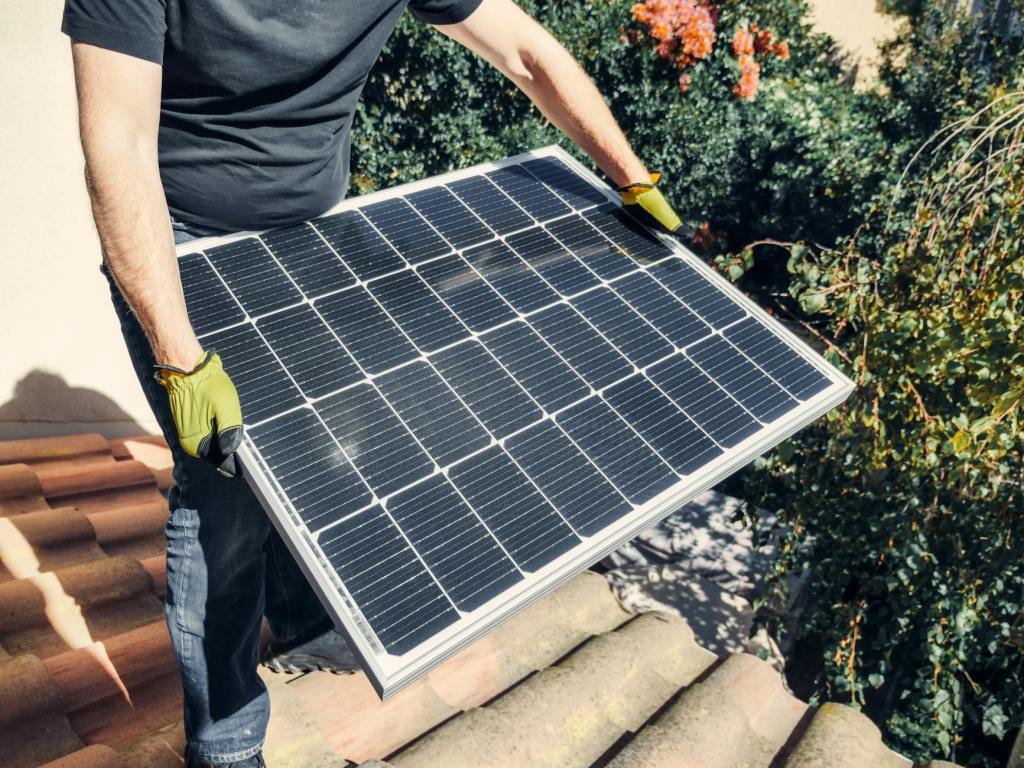
Vermont will no longer receive \$62.5 million in federal funding for solar energy programs targeting low-income residents, following the Trump administration’s cancellation of the national Solar for All initiative. The decision affects a \$7 billion clean energy effort designed to expand solar access in underserved communities across 49 states and six Native American tribes.
The Environmental Protection Agency (EPA) confirmed the program’s termination after the repeal of the Greenhouse Gas Reduction Fund, the Inflation Reduction Act program that served as its funding source. Vermont officials say the state’s grant was set to support solar installations on affordable housing units and expand community solar access for renters and rural households beginning in 2026.
The move has sparked concern among state leaders and clean energy advocates, who argue the decision undercuts efforts to lower energy costs for vulnerable populations and slows progress on climate goals. Vermont’s Public Service Department and Attorney General’s Office are reviewing legal avenues to challenge the action and recover the funding.
Without the grant, numerous solar projects may be delayed or canceled. Many of the targeted communities face high electricity bills, limited access to renewable energy, and housing conditions that make energy upgrades difficult. Solar programs like Solar for All aimed to reduce long-term utility costs while cutting emissions and creating local jobs.
Rural and low-income areas in Vermont are especially impacted. These communities often rely on outdated heating systems and live in less energy-efficient homes, making them more susceptible to rising energy prices. The canceled funding was expected to address these challenges by providing solar power alternatives at little to no upfront cost.
Community solar programs, which allow residents to benefit from shared solar installations without owning property, were also part of the state’s plan. Such initiatives are seen as a key solution for renters and low-income families who typically cannot install rooftop solar panels.
The cancellation reflects a broader shift in federal environmental priorities. Solar for All was a central piece of the previous administration’s climate investment strategy. Its removal may weaken national efforts to reduce greenhouse gas emissions and expand equitable access to clean energy technologies.
In Vermont, where clean energy policy has long been a focus, the funding cut creates uncertainty around future progress. Without federal support, the state will face added pressure to find alternative resources to meet its climate and energy affordability goals.
Critics warn that pulling back funding from low-income solar programs risks deepening energy inequality and slowing the transition away from fossil fuels. They argue that disadvantaged communities—already bearing higher energy burdens—are now being left with fewer tools to manage costs and access clean energy solutions.
The Solar for All program was intended not only to reduce carbon emissions but also to deliver direct financial relief to families most affected by high utility bills. Its termination could leave many states, including Vermont, struggling to move forward with plans to make renewable energy more inclusive and affordable.
As legal and political responses take shape, Vermont’s path forward on clean energy remains uncertain. What’s clear is that the loss of this grant has dealt a major setback to the state’s ambitions for climate equity and long-term energy resilience.




 PARYAWARAN
Leave a comment