A federal court in Hawaii has reinstated a ban on commercial fishing within the Pacific Islands Heritage Marine National Monument, a protected area covering a vast expanse of ocean nearly twice the size of Texas. The decision marks a major victory for marine conservation efforts, reaffirming long-standing protections initially established to preserve fragile ecosystems and culturally significant ocean regions.
The court’s ruling effectively overturns a previous move by the National Oceanic and Atmospheric Administration (NOAA) Fisheries, which had issued a letter in April allowing fishing activities within the monument’s waters. That decision followed a proclamation from the previous U.S. administration aiming to reverse restrictions put in place during the Obama presidency. However, the court found that the federal agency had failed to follow proper legal procedures, particularly the requirement for public notice and comment before altering established environmental protections.
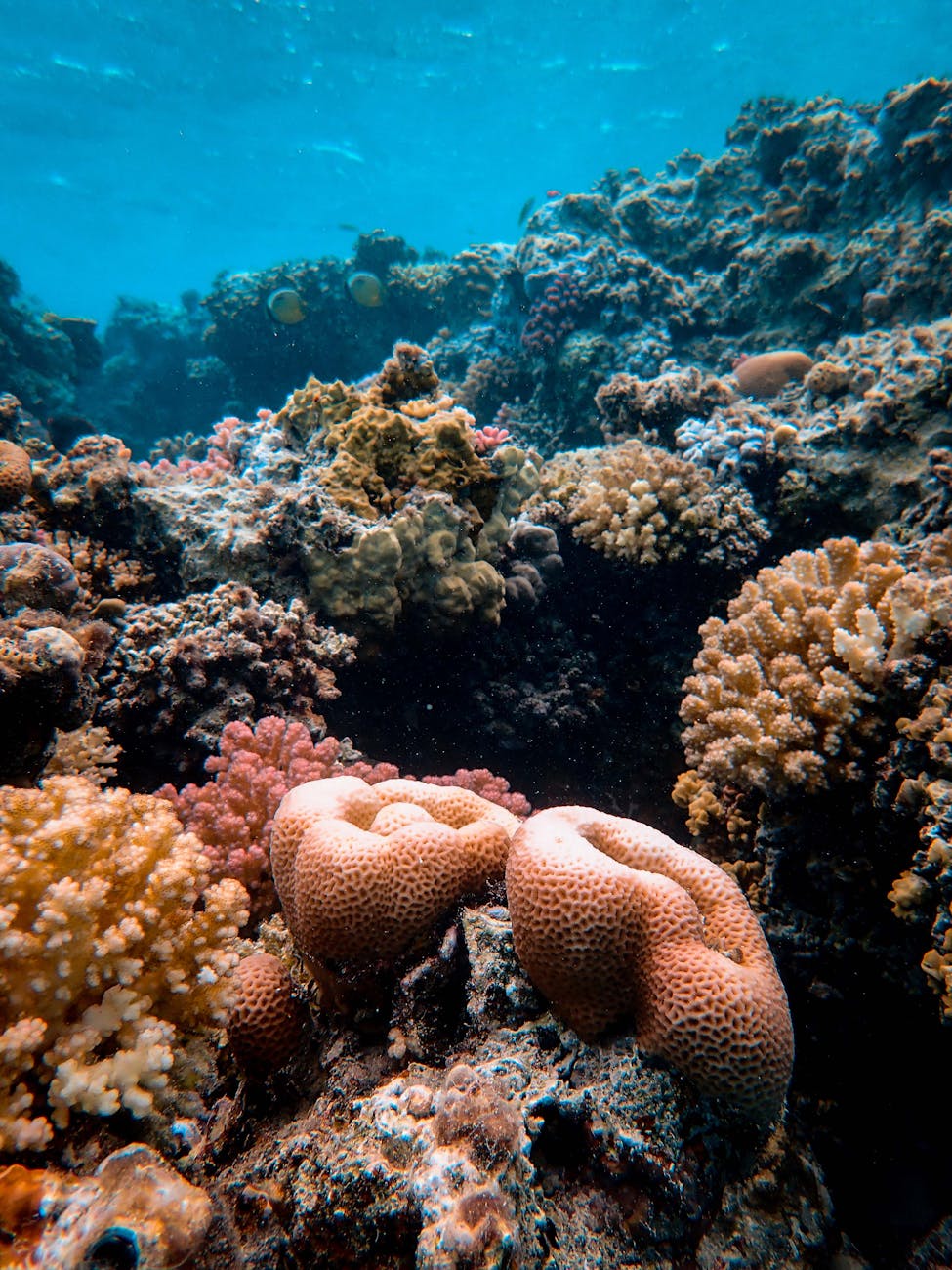
The Pacific Islands Heritage Marine National Monument is one of the largest marine protected areas in the world. It encompasses remote reefs, atolls, and deep-sea habitats that are home to a diverse range of marine life, including rare coral species, endangered seabirds, migratory fish, and apex predators such as sharks. These waters play a critical role in maintaining the health and resilience of the Pacific Ocean’s ecosystems.
Marine protected areas like this monument are vital sanctuaries in the face of mounting global threats. Overfishing, climate change, rising ocean temperatures, and habitat degradation are placing unprecedented pressure on marine biodiversity. Within protected zones, ecosystems are given the chance to recover and thrive, serving as biodiversity reservoirs and helping to replenish fish stocks beyond their boundaries. By maintaining ecological balance and supporting robust food webs, these reserves enhance the overall health of the ocean.
Scientific studies have shown that predator species such as sharks, which are often the first targets of commercial fishing, play a crucial role in regulating marine ecosystems. Their removal can lead to cascading effects throughout the food chain, ultimately weakening coral reef systems and reducing their ability to withstand environmental stress. Coral reefs already face significant threats from bleaching events caused by warming seas, making their protection more urgent than ever.
Beyond their ecological importance, the waters within the monument carry deep cultural significance for Indigenous Pacific Island communities. These regions have been part of traditional navigation routes, spiritual practices, and subsistence fishing for generations. Healthy marine environments are intimately connected to the identity, heritage, and well-being of these communities. The ruling helps to safeguard not only biodiversity but also cultural traditions rooted in a respectful relationship with the ocean.
By upholding the commercial fishing ban, the court has reinforced the legal framework underpinning national monuments and marine sanctuaries. The decision emphasizes the importance of adhering to environmental regulations and procedural transparency when making changes that impact protected areas. It also signals that efforts to weaken conservation protections cannot bypass due process.
The restoration of the fishing ban ensures that this vast marine reserve will continue to serve as a refuge for endangered species, a buffer against the impacts of climate change, and a site of cultural and ecological resilience. The ruling is seen as a reaffirmation of the United States’ commitment to marine conservation and Indigenous heritage, aligning with broader global efforts to protect 30% of oceans and land by 2030.
As pressure on marine ecosystems continues to grow, the protection of large-scale reserves like the Pacific Islands Heritage Marine National Monument remains a cornerstone of ocean conservation strategy. The court’s decision sends a strong message about the need for vigilance, legal integrity, and long-term thinking in the stewardship of natural resources.




 PARYAWARAN
Leave a comment