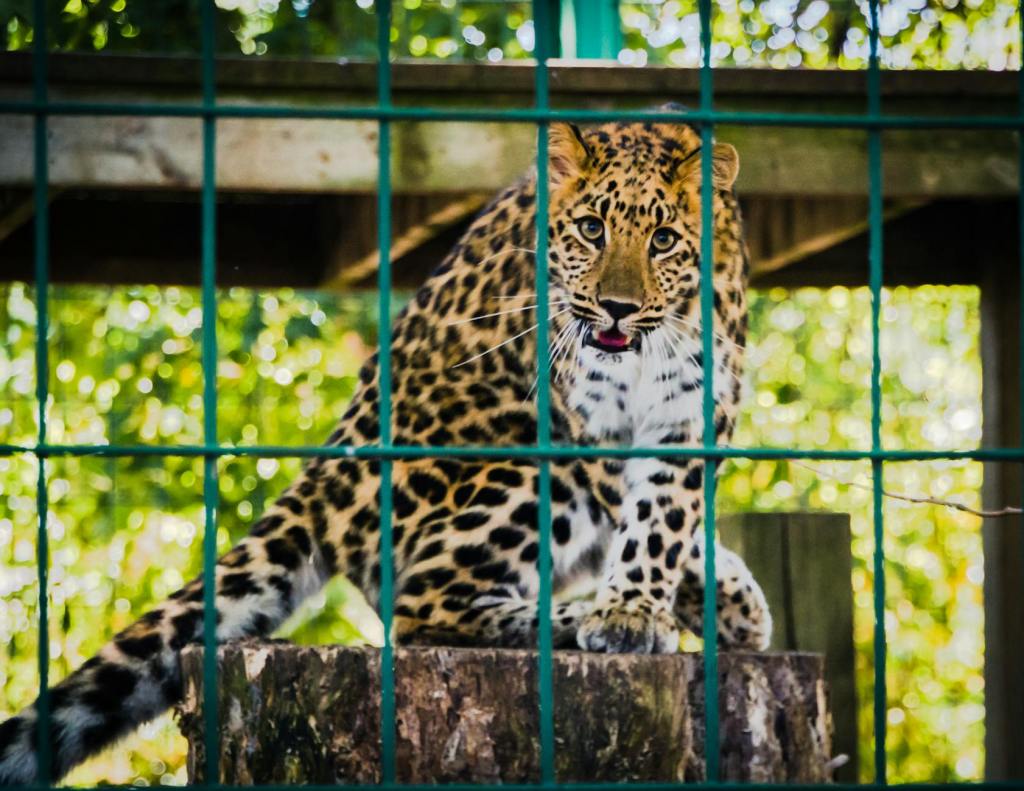
A sprawling private zoo in western India is under investigation following a Supreme Court directive to probe allegations of illegal animal acquisitions, mistreatment, and potential violations of wildlife laws. The court-ordered inquiry comes amid growing public scrutiny and criticism from conservationists and animal welfare activists.
The facility in question, located in Gujarat and spread over 3,500 acres, claims to be the world’s largest wildlife rehabilitation centre. It is home to approximately 2,000 animals, including around 200 elephants, 300 big cats such as lions, leopards, and tigers, more than 300 herbivores, and over 1,200 reptiles. Despite its stated mission of rescue, rehabilitation, and care of animals, it has long drawn concern from experts over the suitability of its environment and its operational transparency.
The investigation is being led by a Special Investigation Team (SIT) composed of four retired judges. This panel has been tasked with verifying claims of unlawful acquisition of wildlife—particularly elephants—as well as probing suspected financial irregularities and possible money laundering activities. The SIT is expected to submit its findings by 12 September, with the next Supreme Court hearing scheduled for 15 September.
While the country’s top court noted that there was no concrete evidence to support the allegations so far, it acknowledged that the accusations raised significant concerns about whether regulatory authorities had failed to discharge their legal responsibilities. In its ruling, the court emphasized the need for an “independent factual appraisal” to ensure public confidence and proper enforcement of environmental and wildlife protection laws.
The zoo, which is privately owned and operated by one of the country’s most prominent industrial families, has stated that it will cooperate fully with the inquiry. In an official statement, it reaffirmed its commitment to transparency, legal compliance, and animal welfare. However, it did not directly address the specific accusations being investigated.
The facility was inaugurated earlier this year and received public praise from top political leaders, who called it a commendable initiative. However, it remains closed to the general public and functions solely as a private conservation and rehabilitation centre. Its exclusivity, combined with its association with opulent events and high-profile visitors, has further fueled public debate about its operations and underlying motives.
The zoo gained widespread attention after hosting grand pre-wedding celebrations for a member of the owning family. The event was attended by celebrities, political figures, and global business leaders, with photos of guests touring the animal enclosures circulating widely on social media and news platforms.
Criticism intensified recently following the relocation of an elderly elephant named Mahadevi from a temple in Maharashtra to the zoo. The move, carried out after a high court order, sparked protests from local residents and animal rights groups who questioned the legality and necessity of the transfer. The issue became politically charged, with the state government announcing plans to file a review petition in the Supreme Court in an effort to bring the elephant back.
Environmental activists have also raised concerns about the zoo’s location. Positioned near a major industrial complex that houses the world’s largest oil refinery, and set in a region known for its hot, arid climate, critics argue that the site is not ideal for housing many of the species kept there, particularly elephants and other animals more suited to forested or humid environments.
The SIT’s mandate includes reviewing these ecological and environmental concerns, in addition to investigating the zoo’s acquisition practices and financial dealings. According to local media reports, the investigative panel held its first meeting earlier this week, focusing on internal role assignments and planning the initial stages of the inquiry.
As the investigation unfolds, conservationists and the public alike are watching closely to see whether the probe will result in greater accountability and transparency in the country’s wildlife conservation efforts—particularly when undertaken by private entities with significant resources and influence.



 PARYAWARAN
Leave a comment