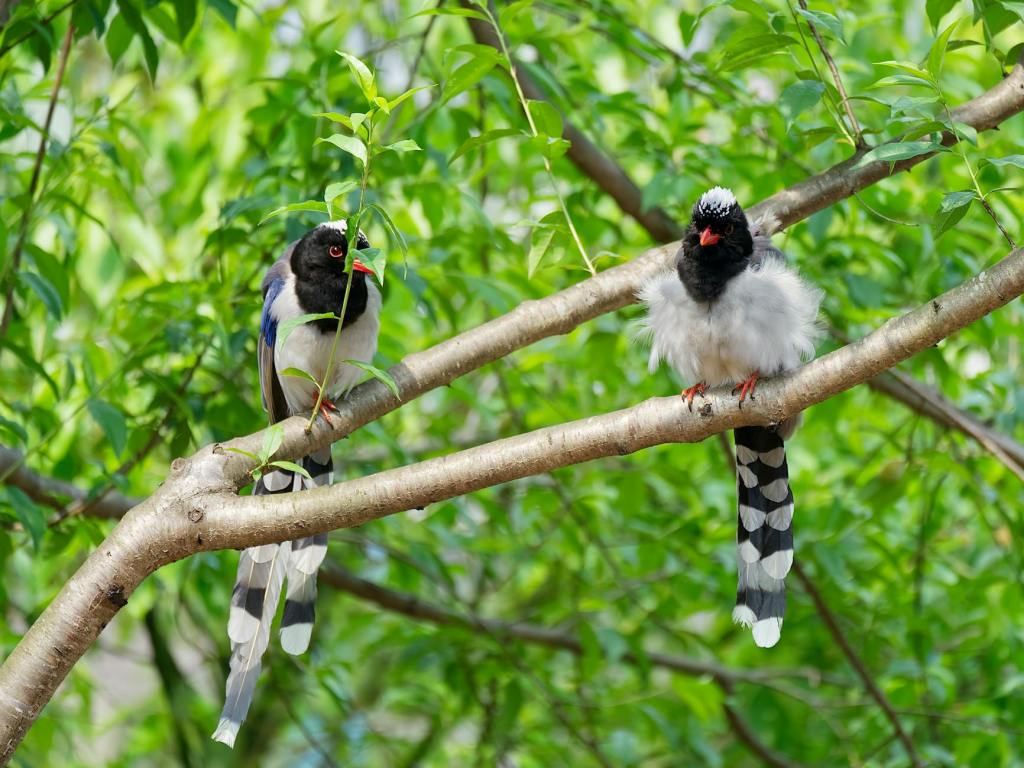
A groundbreaking study has uncovered a surprising phenomenon in wild Australian birds: sex reversal, where a bird’s physical traits do not align with its genetic sex. This unexpected discovery has raised new questions about how genes and environmental factors interact to influence animal development, with implications for conservation efforts.
Researchers, led by Clare Holleley, an environmental biologist with the Commonwealth Scientific and Industrial Research Organization (CSIRO), studied nearly 500 birds across five common Australian species, including kookaburras and magpies. They found that between 3% to 6% of the birds examined exhibited mismatched sex traits, challenging previous assumptions about how sex determination works in birds.
Perhaps the most surprising finding was the discovery of a genetically male kookaburra that had laid an egg. This kind of sex reversal, where an individual’s physical traits contradict its genetic sex, has been observed in a range of species but is considered relatively rare. Until now, it was assumed that such occurrences were isolated or the result of unusual genetic mutations. However, this new study suggests that sex reversal may be more common in wild populations than previously thought.
What Is Sex Reversal?
Sex reversal occurs when the biological or physical sex of an individual does not match its genetic sex, which is determined by specific sex chromosomes. In most birds, sex is determined by the presence of two sex chromosomes: Z and W. Females typically have two W chromosomes (ZW), while males have two Z chromosomes (ZZ). However, in some cases, genetic or environmental factors can cause the bird to develop physical traits associated with the opposite sex.
In the case of the kookaburra, for example, while the bird had the genetic makeup of a male (ZZ chromosomes), it exhibited traits typically associated with females, such as egg-laying. Such discrepancies can result from complex interactions between the bird’s genes and various environmental factors, like temperature, chemical exposure, or stress, which might alter the bird’s developmental trajectory during early life.
Why Does This Matter?
Understanding the frequency and causes of sex reversal is important for several reasons, particularly for wildlife conservation. Accurate sex identification is critical when tracking animal populations, as it directly impacts estimates of breeding potential, population growth, and survival rates. In cases where sex reversal occurs, DNA-based sexing methods could lead to inaccurate conclusions about the number of males and females in a population, potentially skewing conservation efforts.
Sex reversal also raises concerns about environmental stressors that may be influencing bird development. Factors like exposure to human-made chemicals, pollution, or habitat degradation could be affecting the way sex is determined in birds. For instance, endocrine-disrupting chemicals (EDCs), commonly found in agricultural runoff or industrial waste, have been shown to interfere with the hormonal systems of many animals, potentially causing sex reversal or other developmental abnormalities.
“There’s a growing concern that human-driven factors like pollution or habitat destruction could be altering how animals develop, and understanding baseline rates of sex reversal could be a key piece of the puzzle,” said Holleley. “Now that we know discordance occurs, the next big question will be, what is driving this discordance in birds? Is it chemicals, is it environmental stress, or some other factor that can alter developmental trajectories?”
Potential Implications for Conservation
The findings of this study could have far-reaching consequences for conservation science. By tracking rates of sex reversal, researchers could gain a better understanding of how stressors, such as chemicals or changing environmental conditions, are affecting wildlife populations. This knowledge could help scientists spot early warning signs that ecosystems are under strain, allowing for more effective interventions to protect endangered species.
For example, if certain species are showing higher rates of sex reversal due to pollution or other stressors, conservationists could focus efforts on mitigating those environmental pressures to help stabilize populations. Furthermore, understanding how environmental factors influence sex determination might lead to new methods for protecting species that are particularly vulnerable to these disruptions.
The Road Ahead
While the study’s findings raise important questions, they also open the door for further research into the mechanisms behind sex reversal in birds. Scientists are now tasked with identifying the specific environmental factors that may be contributing to these changes. By better understanding how genes, environment, and stressors interact, researchers can begin to unravel the complexities of animal development and its implications for conservation.
As Holleley puts it, “This is just the beginning. The more we learn about how sex is determined and how it can be influenced by external factors, the better equipped we’ll be to protect species in an increasingly uncertain world.”
For young researchers, this study serves as a reminder of how complex the natural world is and how much there still is to learn. As the scientific community continues to investigate the intricate relationship between genes, the environment, and development, one thing is clear: the intersection of biology and ecology is more interconnected than ever before.




 PARYAWARAN
Leave a comment