In a critical policy development with deep implications for conservation and tribal rights in India, the Standing Committee of the National Board for Wildlife (SCNBWL) has deferred a decision to extend the voluntary relocation policy beyond tiger reserves to include wildlife corridors, buffer zones, and other biodiversity-rich areas. The move has sparked debate over the balance between ecological preservation and the constitutional rights of tribal and forest-dwelling communities.
The proposal, discussed during the SCNBWL meeting on August 19, aimed to address persistent human-wildlife conflicts by enabling voluntary relocation of communities from ecologically sensitive areas. Proponents of the policy argue that voluntary relocation — if done fairly, with consent and adequate rehabilitation — could serve a dual purpose: reducing conflict and restoring fragmented habitats for wildlife. However, the committee opted for delay, citing the need for further studies and wider consultations.
A Legacy of Conflict and Displacement
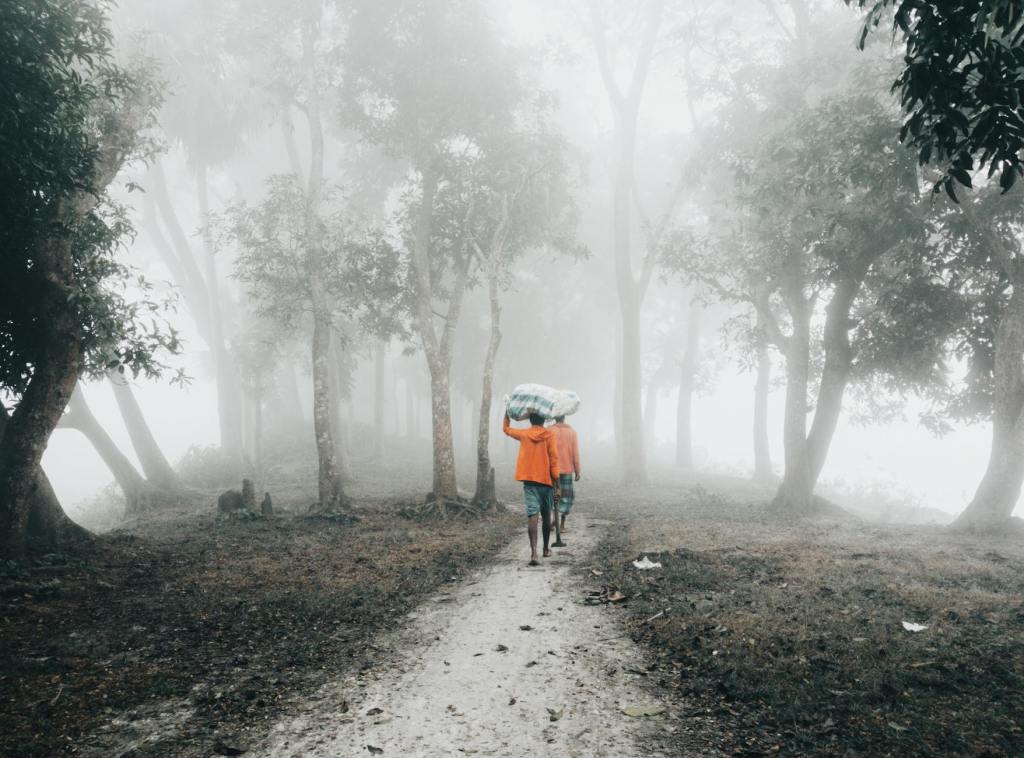
India’s protected area network — comprising over 100 national parks and more than 500 wildlife sanctuaries — overlaps significantly with territories historically inhabited by tribal communities. These areas are not empty wildernesses, but living landscapes where generations of Adivasis and forest-dwellers have coexisted with wildlife. Yet, since the Wildlife Protection Act of 1972, and especially after Project Tiger was launched in 1973, many tribal communities have faced pressure to relocate in the name of conservation.
The relocation policy currently applies only to the core areas of tiger reserves. However, even within this framework, the process has often been opaque, inconsistent, and in some cases, coercive — raising serious questions about the ethics and legality of such moves.
One well-documented example is the relocation of Baiga and Gond communities from the Achanakmar Tiger Reserve in Chhattisgarh. Despite the label of “voluntary,” many families reported pressure and lack of informed consent, inadequate compensation, and the destruction of their traditional way of life. While some gained access to government schemes in new locations, others ended up in limbo — lacking land titles, job opportunities, and social security.
Another example comes from the Nagarhole Tiger Reserve in Karnataka, where the Jenu Kuruba tribe has been protesting for years against forced evictions. Despite the Forest Rights Act (2006), which recognizes the rights of traditional forest dwellers, conservation authorities have often bypassed legal safeguards in the name of protecting wildlife.
New Proposal Sparks Old Fears
The latest proposal sought to expand this relocation model to include people living in wildlife corridors and buffer zones — areas outside the core of reserves but critical for animal movement and ecosystem connectivity. According to the agenda note, these regions are often hotspots of human-wildlife conflict, where people face recurring attacks on crops, livestock, and even lives. It added that “many families express a strong desire to move to other areas where they can access better economic opportunities and essential public services.”
However, critics argue that this framing risks ignoring the underlying power imbalance between the state and vulnerable tribal communities. The fact that relocation is labeled as “voluntary” does not guarantee it is genuinely consensual, especially when entire villages face neglect in terms of healthcare, education, infrastructure, and recognition of forest rights — essentially forcing them to “choose” relocation under duress.
During the meeting, Member Secretary Ramesh Kumar Pandey cautioned against rushing into expansion. “Relocation has not even been completed in existing tiger reserves and 680 protected areas. Extending this policy to the corridors would be premature and would go against the philosophy of coexistence,” he said.
Coexistence vs. Conservation Fortress
The comment points to an ongoing philosophical debate: should conservation in India adopt a fortress model — clearing human presence from forests — or a coexistence model that integrates ecological protection with the rights and lives of traditional forest dwellers?
While states like West Bengal, Uttarakhand, and Chhattisgarh appeared supportive of extending the relocation policy, others — including Assam, Maharashtra, and Madhya Pradesh — expressed strong reservations, particularly regarding practical challenges and social justice implications.
Director General of Forests Sushil Kumar Awasthi acknowledged the division, stating that “since opinions were differing in a small group of CWLWs (Chief Wildlife Wardens), it is essential to take the opinion of all the states and union territories.” The committee has thus decided to circulate a detailed questionnaire to gather views across India before taking any final step.
What About the Forest Rights Act?
Notably absent from much of the official discussion was the role of the Scheduled Tribes and Other Traditional Forest Dwellers (Recognition of Forest Rights) Act, 2006 — commonly known as the Forest Rights Act (FRA). This landmark legislation recognizes the individual and community rights of forest dwellers, including the right to remain in their traditional lands and manage them sustainably.
Under the FRA, any relocation must be truly voluntary and based on full consent from Gram Sabhas (village councils), with fair compensation and rehabilitation. Yet, repeated violations of this law have been reported, particularly in tiger reserves.
Expanding the relocation policy without embedding the principles of the FRA could lead to more conflicts, forced evictions, and the erosion of indigenous knowledge systems that have helped conserve biodiversity for centuries.
A Call for People-Centric Conservation
As India navigates its twin goals of ecological preservation and social justice, the question is not whether relocation should occur — but how and under what conditions. Genuine voluntary relocation, guided by the Forest Rights Act, informed consent, and robust rehabilitation, can be a tool for both conservation and human dignity. But any attempt to expand the policy without these safeguards risks repeating past mistakes.
The SCNBWL’s decision to pause is a critical opportunity for reflection. Will conservation policy in India finally reckon with its colonial legacy and integrate the rights of its first forest protectors — the Adivasis — or will it continue to push them to the margins in the name of protecting nature?
The answer will shape the future not just of India’s wildlife, but of its democracy.




 PARYAWARAN
Leave a comment