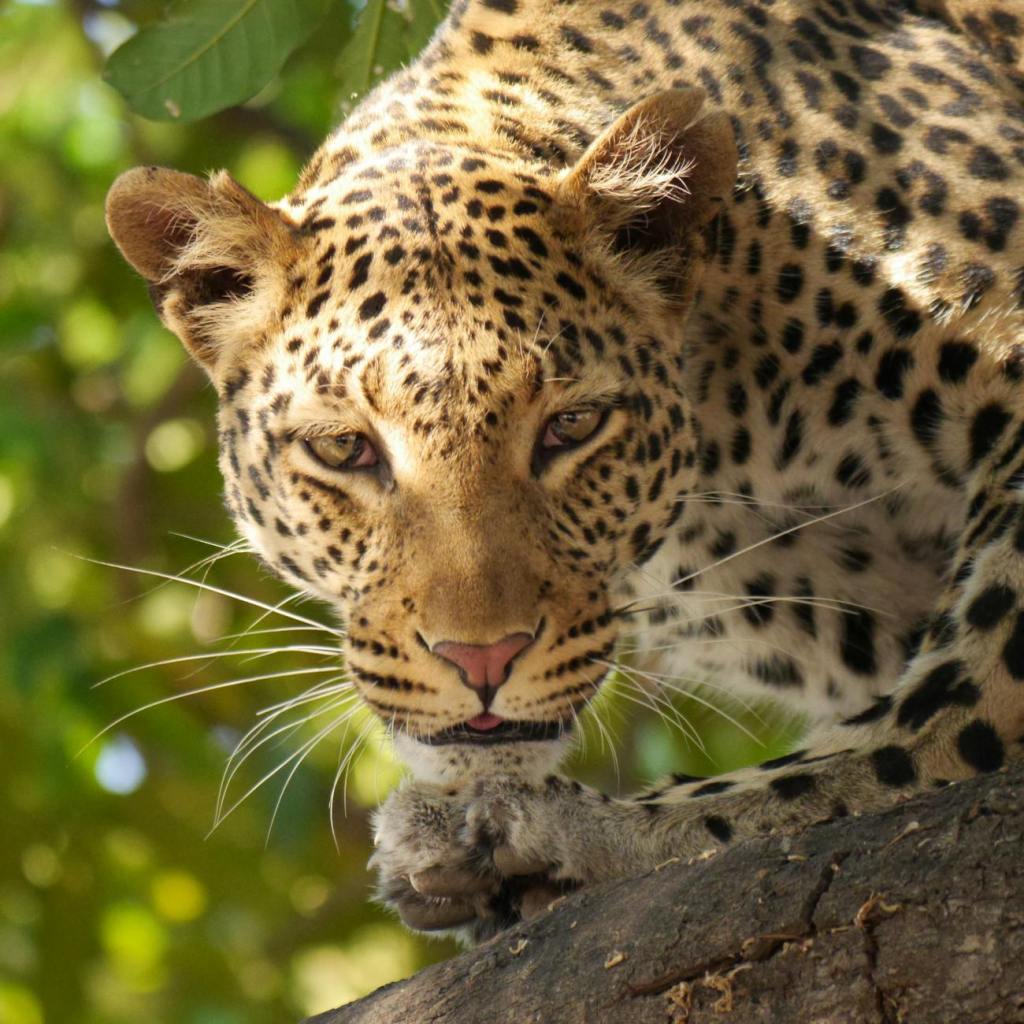
In a move that has sparked nationwide debate, Maharashtra has announced plans to explore sterilisation of wild leopards to curb rising human-wildlife conflicts. Gujarat had previously proposed a similar strategy around Gir National Park, though no official clearance has been granted so far. The new initiative marks a significant shift in wildlife management, raising questions about feasibility, ethics, and ecological consequences.
The state’s forest department has been directed to develop an action plan within two months. This plan is expected to include scientific studies on leopard population dynamics, geographic distribution, and long-term viability of sterilisation as a population control measure. If implemented, Maharashtra could become the first Indian state to sterilise wild leopards—a species currently classified as “endangered” under national and international frameworks.
The rationale behind the proposal lies in the increasing number of leopard-human encounters in rural and semi-urban regions of Maharashtra. With over 1,600 leopards, the state ranks fourth in population after Madhya Pradesh, Gujarat, and Karnataka, according to the 2018 national leopard census. Experts attribute the rise in leopard presence in human-dominated areas to widespread agricultural changes—especially the cultivation of dense crops like sugarcane and grapes—which offer cover and attract prey species like wild pigs.
Reports indicate that leopard densities have more than doubled in the past six years in certain regions, and cub survival rates are significantly higher in agricultural zones than in the wild. As leopard territories increasingly overlap with human settlements, conflicts have become more frequent and severe. Maharashtra witnessed 58 human deaths due to leopard attacks in 2019-20 alone—more than half the total reported in the previous eight years combined.
Despite the perceived urgency, wildlife experts and conservationists have expressed strong reservations about the plan. Critics argue that sterilising wild leopards would be an inefficient use of time and resources, pointing to the lack of conclusive evidence linking sterilisation to reduced population or conflict. Capturing and surgically sterilising elusive and territorial animals like leopards poses substantial logistical challenges, not to mention potential stress and aggression triggered during handling and release.
Furthermore, traditional sterilisation techniques such as tubectomy or vasectomy require keeping leopards in captivity until recovery—disrupting their natural behaviour and possibly increasing conflict among displaced individuals. Hormonal contraceptives like PZP vaccines, though non-invasive and reversible, remain largely untested on large carnivores and are cost-intensive.
There is also concern that sterilisation may inadvertently upset ecological balances. Altering territorial dynamics could lead to increased aggression among leopards or unpredictable shifts in prey populations. Past experiences with sterilisation of dogs and macaques have shown that poor planning and patchy implementation often lead to negligible outcomes.
Many conservationists argue that the focus should shift from controlling leopard populations to managing the root causes of conflict. Measures such as proper waste management, reducing stray dog populations, and educating local communities have proven effective in some regions. For example, cleaning up village waste dumps, which attract prey species and in turn lure leopards, has led to decreased sightings and attacks in other parts of the world.
Interestingly, local communities living in proximity to leopards often show a surprising level of tolerance. In several villages across Maharashtra, residents have adapted to the presence of these big cats, and sightings are not uncommon. Many view the animals as part of the natural environment, and some tribal communities even revere them as sacred beings.
As the state deliberates on the next steps, the sterilisation proposal remains contentious. While the urgency to reduce conflict is real, the long-term ecological and ethical implications of sterilising an endangered species demand careful scrutiny. Without robust scientific backing and comprehensive planning, experts warn that such measures may end up being counterproductive—not only failing to solve the problem but also jeopardising ongoing conservation efforts.




 PARYAWARAN
Leave a comment