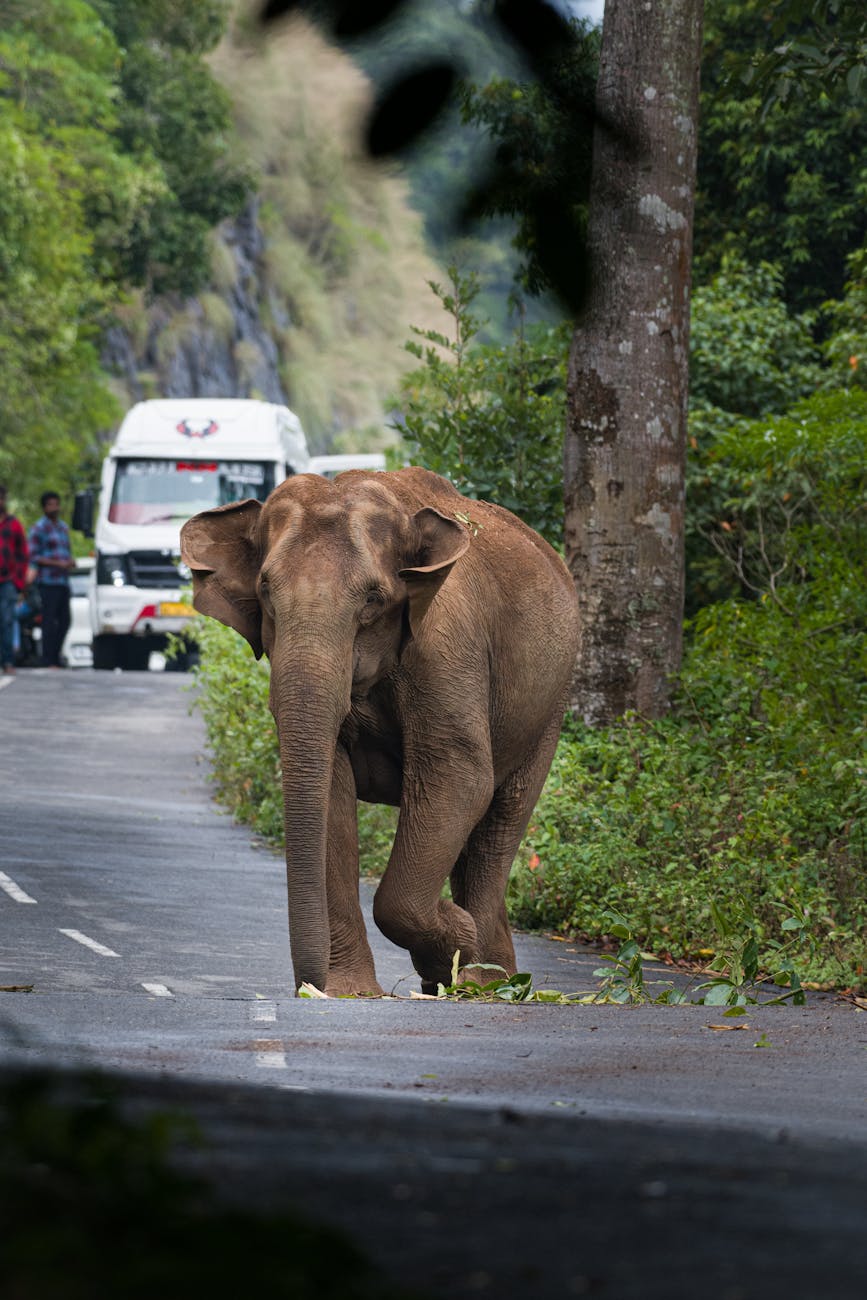
A recent proposal by the Kerala government to amend the Wildlife Protection Act has drawn strong criticism from environmentalists and conservation experts, who have labelled the move as “unscientific,” “unconstitutional,” and potentially dangerous for the state’s fragile ecosystems. The proposed changes, which include provisions for immediate killing of wild animals involved in human attacks, are being seen as a threat to wildlife conservation and the legal safeguards currently in place to protect endangered species.
The Coexistence Collective Kerala, a coalition of ecologists, wildlife scientists, and social researchers, has come forward with a statement urging the state government to revoke the draft amendments. According to the forum, the proposals were introduced without conducting any scientific studies or consulting with wildlife experts, including the Chief Wildlife Warden—the statutory authority under the Wildlife Protection Act, 1972.
One of the most controversial elements of the amendment is the provision to allow the immediate elimination of wild animals involved in human-wildlife conflict. Environmentalists argue that this could be widely misused and bypass essential legal protocols meant to ensure that such actions are taken only under strict, case-by-case scrutiny. According to current law, particularly Section 11 of the Wildlife Protection Act, the authority to permit the killing or tranquilisation of a wild animal rests solely with the Chief Wildlife Warden. However, the proposed amendment appears to empower local administrative officials, such as district collectors, to issue shoot orders—a move that critics say violates legal precedent and existing judicial interpretations.
The collective pointed out that this provision goes against a 2024 High Court observation, which reaffirmed that the Wildlife Warden alone holds the authority to make decisions regarding the management or elimination of problematic wild animals. Allowing district authorities to intervene under Section 133 of the Criminal Procedure Code (CrPC), as the amendment suggests, would be in direct contradiction to this ruling and could lead to legal chaos, misuse, and overreach.
Another key concern raised by the forum is the possibility of states being granted the power to declare certain species as vermin. Conservationists fear that this could open the door to politically motivated decisions leading to mass culling of animals, some of which may be endangered. They warn that such actions, under pressure from vested interests, could cause irreversible damage to biodiversity and ecological balance.
The Coexistence Collective also highlighted that the draft amendments ignore established scientific evidence on the root causes of increasing man-animal conflicts. Decades of ecological research have shown that habitat destruction, illegal quarrying, widespread deforestation, and poorly regulated land-use changes are the primary drivers behind the growing number of wildlife intrusions into human settlements. Instead of addressing these underlying issues, the proposed changes focus on reactive and punitive measures.
According to the forum, effective solutions must be based on scientific data, long-term ecological planning, and community engagement. They stress that the government should focus on restoring natural habitats, regulating land use near forest areas, and investing in community-based conflict mitigation strategies. Such approaches, they argue, are more likely to yield sustainable results for both human safety and wildlife conservation.
Further complicating matters, the collective argues that the proposed amendments are not only in conflict with national wildlife law but also violate constitutional principles. If passed, the new provisions could face strong legal challenges and potentially be struck down during judicial review, setting a contentious precedent for wildlife governance in the country.
Environmentalists are now calling on the Kerala government to withdraw the current draft bill and initiate a transparent, science-based process to address human-wildlife conflicts. They warn that without a clear commitment to ecological integrity and legal process, the amendments could do more harm than good—for both humans and the animals they seek to manage.




 PARYAWARAN
Leave a comment