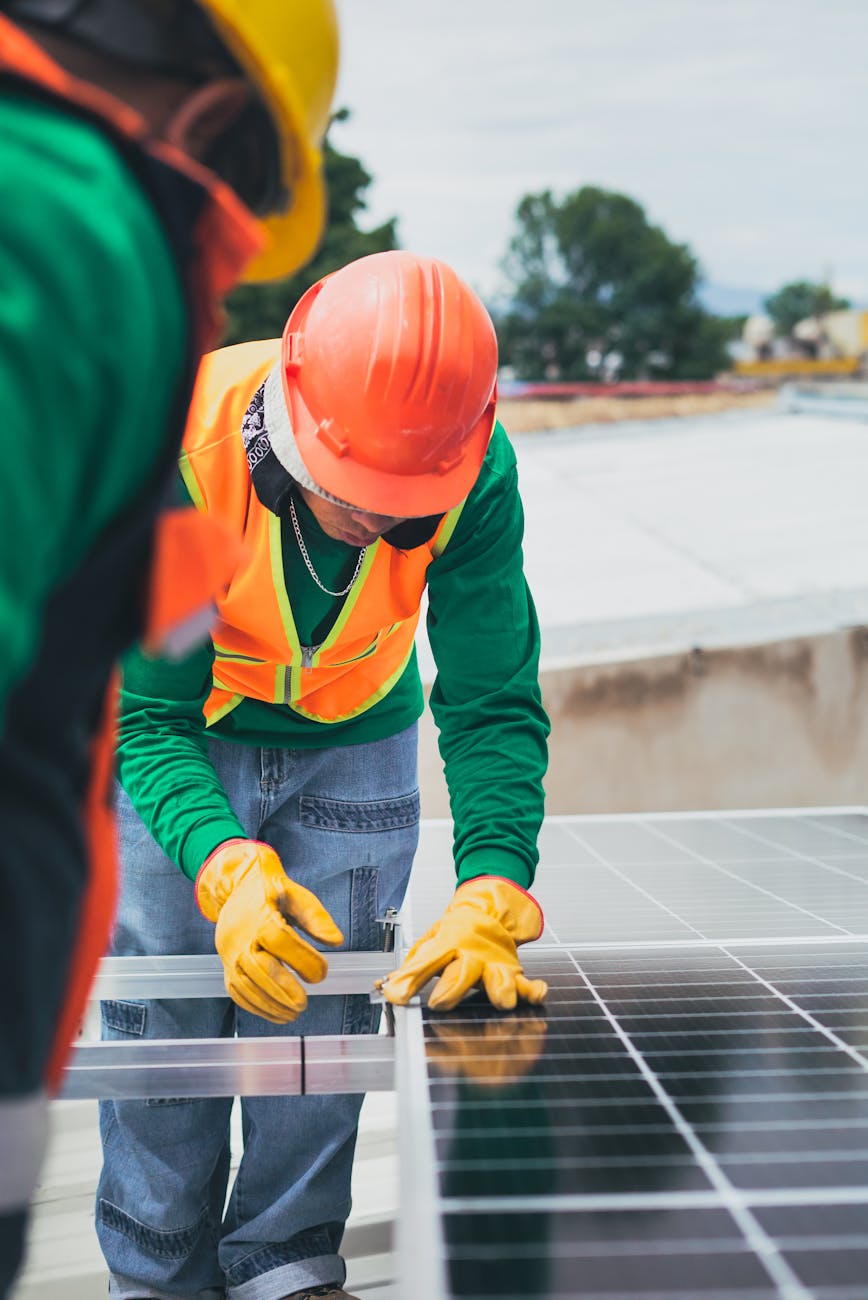
A quiet but dramatic energy revolution is sweeping across Pakistan, as citizens turn to solar power not out of environmental concern, but as a financial necessity. Soaring electricity costs, fueled by global events and domestic economic pressures, have made solar energy an increasingly attractive alternative for millions of Pakistanis.
In recent years, the country has emerged as one of the largest importers of solar panels globally, ranking third in 2024. That year alone, Pakistanis installed solar capacity equivalent to half the existing national grid—largely without government support or incentives. The shift has been led by individuals and businesses taking independent steps to reduce reliance on the expensive and unreliable public electricity supply.
This grassroots movement is being fueled by plummeting solar panel prices—particularly imports from China—and record-high electricity tariffs. The rise in global fuel prices following the war in Ukraine, coupled with currency devaluation and the end of energy subsidies under directives from international lenders, has caused power prices in Pakistan to surge by approximately 155% since 2021.
In a country where households once spent significant portions of their income on electricity bills, solar energy now offers a near-instant return on investment. Many users report recouping their initial setup costs within months, effectively eliminating their dependence on the national grid for daytime energy consumption.
The transition is being embraced even in commercial sectors. Small business owners struggling to keep operations running during sweltering summer months have adopted solar-powered cooling systems, enabling them to reduce expenses while maintaining customer comfort. The ease of access to instructional content on platforms like TikTok and YouTube has also allowed many to navigate the shift with little technical support.
Despite its economic motivations, the solar surge is inadvertently helping the environment. Pakistan is one of the countries most vulnerable to climate change, frequently enduring devastating floods, heatwaves, and other climate-related disasters. While the move to solar is not primarily climate-driven, environmental advocates have welcomed the trend as a positive step toward a cleaner energy future.
However, the rapid growth of private solar power is also raising new challenges for the national energy sector. The country’s existing power generation system includes agreements with private producers that require payments even when no electricity is consumed. As more consumers disconnect from the grid, state utilities face reduced revenues, but fixed costs remain—potentially driving up electricity prices for those who remain dependent on the grid.
Experts warn of a feedback loop: higher prices drive more consumers to adopt solar, further eroding the customer base of the national grid and deepening the financial crisis of the public energy sector. These losses, ultimately, must be recovered through taxes or increased utility bills, creating a circular burden on the same population that is turning to solar for relief.
In response, the government has begun to intervene, not by supporting solar expansion, but by attempting to regulate it. A 10% tax has already been imposed on imported solar panels, with plans to increase this to 18% in the upcoming budget. While this move aims to capture some revenue from the growing sector, critics argue it may discourage adoption and hurt long-term energy sustainability.
Pakistan’s solar transformation reflects a complex reality: a bottom-up energy transition spurred not by policy or ideology, but by economic survival. As citizens seek relief from financial pressure and unreliable electricity, they are inadvertently pushing the country toward a more renewable future—one that could redefine energy dynamics, even as it tests the resilience of existing infrastructure and policy frameworks.




 PARYAWARAN
Leave a comment