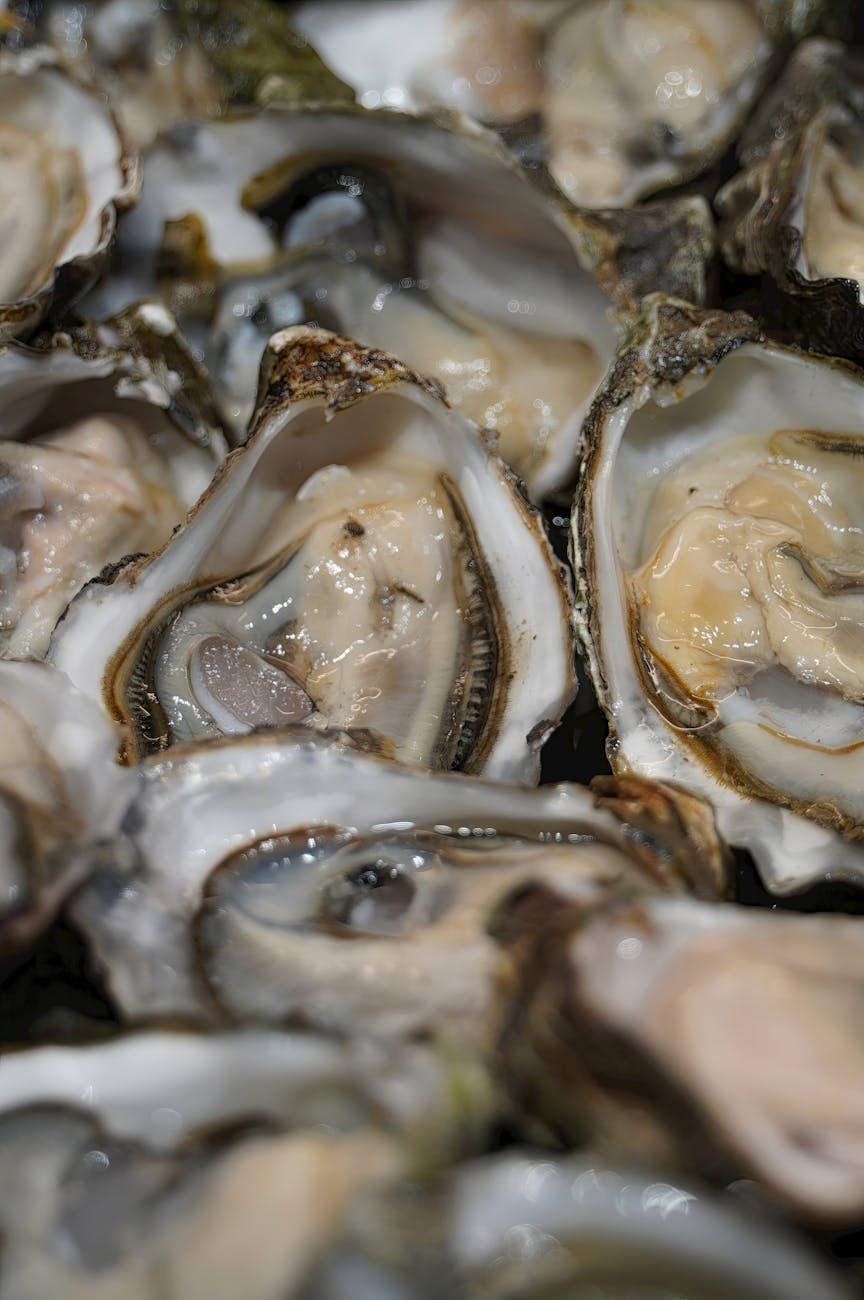
In the quiet mangrove-lined waters just outside Accra, Ghana, women wade through mud and brackish water, continuing a centuries-old tradition — oyster farming. For generations, this practice has been more than just a livelihood; it is a way of life passed down from mother to daughter. However, this vital cultural and economic activity is now under severe threat from climate change, environmental degradation, and dwindling international support.
Oyster farming along Ghana’s coastal regions has long been dominated by women. It involves harvesting oysters from mangrove forests that grow along brackish water estuaries. These mangroves provide a natural habitat for oysters and serve as crucial buffers against coastal erosion, flooding, and storm surges. In recent years, these women have taken up eco-friendly farming methods, including replanting mangroves, practicing selective harvesting, and advocating for conservation efforts. Their work supports not only their families but also their communities and the local ecosystem.
Despite the importance of mangroves to the environment and local economies, over 80% of Ghana’s original mangrove cover has been lost since the last century. The situation is exacerbated by development, overharvesting of firewood, and the release of excess water from dams, which flood and damage the delicate balance of these ecosystems. With no updated data on the current rate of depletion, conservationists warn that the pace of destruction may be outstripping efforts to restore the mangroves.
Until recently, many women received training in sustainable oyster farming practices through a nonprofit initiative supported by foreign aid. However, that support vanished when U.S. foreign aid was cut, leading to the termination of the training program. Without ongoing assistance, these women have been left to carry on their efforts independently.
Still, they persist. They are replanting mangroves and enforcing community-based conservation rules. Their grassroots group, the Densu Oyster Pickers Association, has implemented regulations to protect the forests. Offenders who harvest mangroves outside of designated periods face serious consequences, including confiscation of their oysters or being reported to authorities. These self-regulated measures highlight a strong communal commitment to safeguarding the resource for future generations.
The work, however, is grueling. Harvesting oysters and tending to newly planted mangroves often requires standing in harsh sun for hours, exposed to insects and tidal changes. Yet, for these women, the hardship is justified by the need to feed their families, educate their children, and preserve their heritage.
The economic challenges are considerable. A basin of oysters sells for about 47 Ghanaian cedis, or roughly \$4 — barely enough to sustain a household. Still, every sale counts. With each day, the women dive deeper in search of oysters, a task made more dangerous as mangroves disappear. Without the roots that normally serve as a home for oysters, the creatures migrate to deeper waters, forcing harvesters to free dive up to 30 feet in search of their catch.
Experts warn that the increasing volatility of water bodies due to climate change is impacting oyster growth. Rising sea levels and warming temperatures are altering salinity and water dynamics, making it difficult for oysters to thrive. As these changes accelerate, the coastal communities that depend on these ecosystems face growing uncertainty.
Despite the odds, there are signs of hope. Newly planted mangroves are beginning to bear fruit, with oysters slowly returning to their roots. The visible success of reforestation has strengthened the resolve of the women. Their efforts have become both a practical solution and a powerful symbol of resilience.
This revival is about more than economics — it is about identity and continuity. Many of the women speak of passing the craft down to their daughters just as it was passed to them. The goal is to ensure that oyster farming remains not just a memory, but a living, evolving tradition that endures in the face of adversity.
In a time when modern pressures threaten to erase old ways of life, the women of Ghana’s coastal communities stand as custodians of a heritage that feeds, nurtures, and connects generations. Their story is one of perseverance, leadership, and the unyielding belief that sustainable living is not just possible — it is essential.




 PARYAWARAN
Leave a comment